Night Light for Kids Room That Helps Them Sleep
Getting a child to sleep through the night without a meltdown is basically a competitive sport.
If you have a little one who refuses to close their eyes unless there is some form of light in the room, you already know the struggle.
The good news? A well-chosen night light for a kids room does not just comfort them. It can actually help them sleep better, longer, and with far fewer 2 a.m. visits to your side of the bed.
This article breaks down everything you need to know about picking the right night light, what features actually matter, what the science says about light and sleep, and which options work best for different kids.
No fluff, no filler. Just real, useful information from someone who has tested a few too many of these little glowing gadgets.
Why Kids Need a Night Light in the First Place
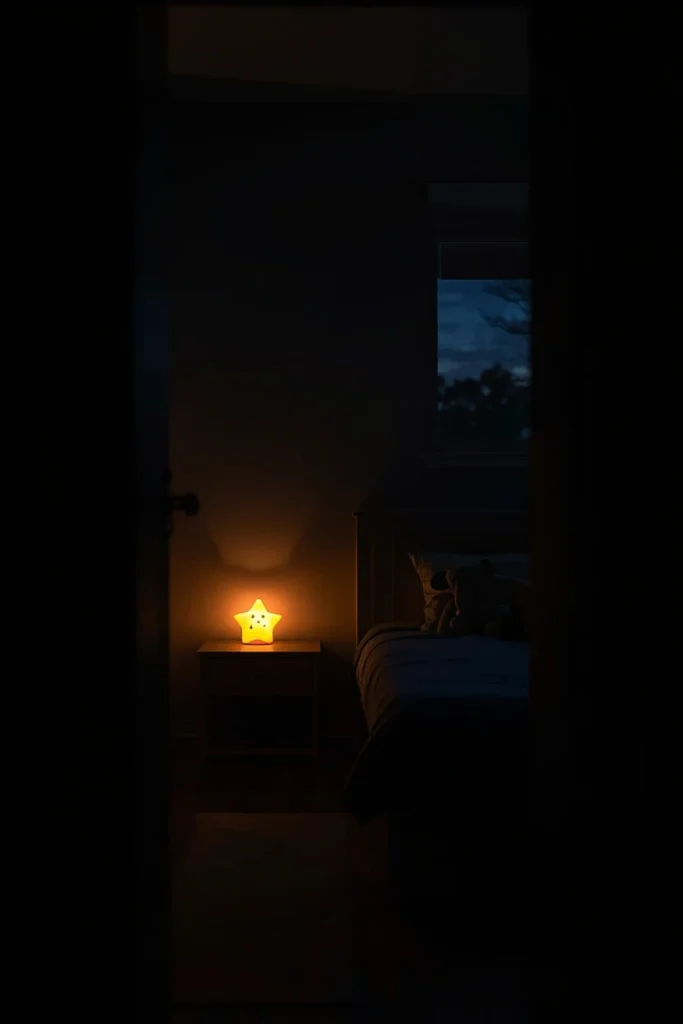
Let us get one thing out of the way. Fear of the dark is completely normal, especially for children between the ages of two and eight.
Their imaginations run wild at night, and a completely dark room can feel terrifying to a small person who is convinced something is living under the bed.
A kids room night light gives them a sense of security without fully stimulating their brain into thinking it is time to party.
The key is choosing one that soothes rather than excites. Not all night lights are created equal, and some actually do more harm than good when it comes to sleep quality.
The Difference Between Comforting and Counterproductive
Here is the thing most parents do not realize until way too late. A bright, flashing, colorful night light that plays music and projects galaxies onto the ceiling sounds magical.
But for a child who needs to wind down, it is basically a tiny disco ball. It stimulates rather than settles.
A sleep-friendly night light should be:
- Soft and dim, not bright enough to read a book
- Warm in color tone, leaning toward amber, orange, or red hues
- Steady, not pulsing, flashing, or rotating unless the child is in a calming wind-down phase
- Simple, without interactive elements that demand attention right before bed
Shop Sleep-Friendly Night Lights For Kids On Amazon
The Science of Light and Sleep for Kids
You probably know about melatonin, the hormone that tells your body it is time to sleep.
What you might not know is that light directly suppresses melatonin production, particularly blue and white light.
Children are even more sensitive to this effect than adults, which means the wrong night light can delay their sleep onset by up to 90 minutes.
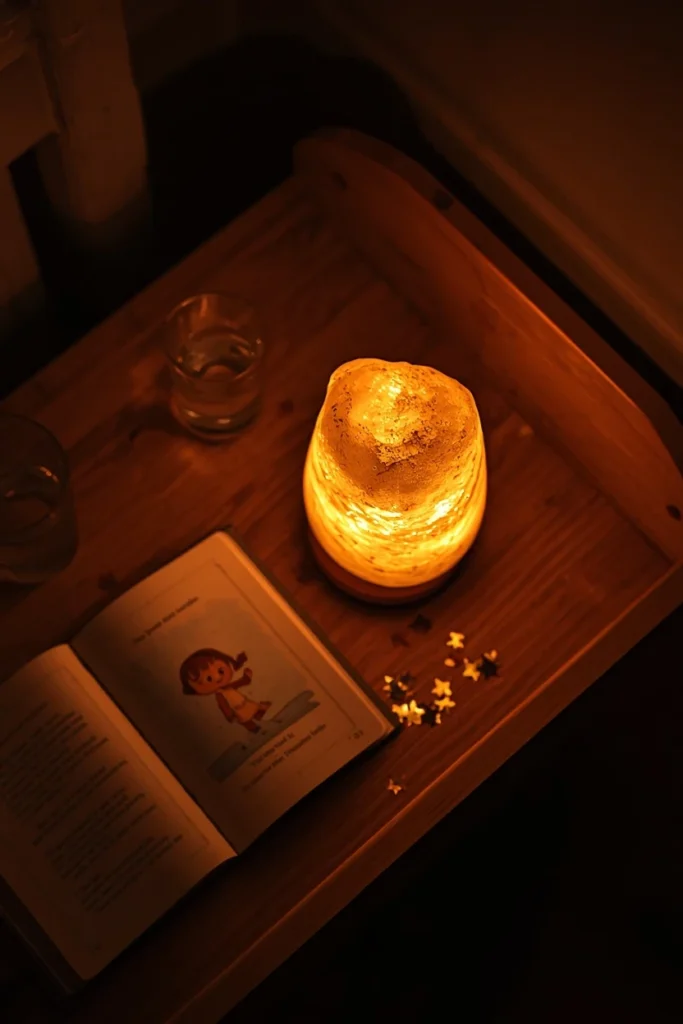
Researchers have consistently found that warm, dim light in the red to amber spectrum has the least impact on melatonin levels.
That is why sleep experts often recommend amber or red-toned night lights for kids who need some illumination at bedtime. It keeps them calm without tricking their brain into staying awake.
Why Blue Light Is the Enemy
Blue light is emitted by most white LEDs, screens, and cool-toned bulbs. It is great during the day because it boosts alertness and focus.
At night, though, it is the last thing your child needs flooding their room. Avoid any night light that emits a bright white or blue-white glow if your goal is to help your child fall asleep and stay asleep.
Red light, on the other hand, does not disrupt the circadian rhythm the way blue light does.
Many pediatric sleep consultants specifically recommend red or amber night lights as the gold standard for kids bedrooms. It sounds counterintuitive, but that warm glow is genuinely working in your favor.
Find Red And Amber Night Lights For Kids On Amazon
Features to Look for in a Night Light for Kids
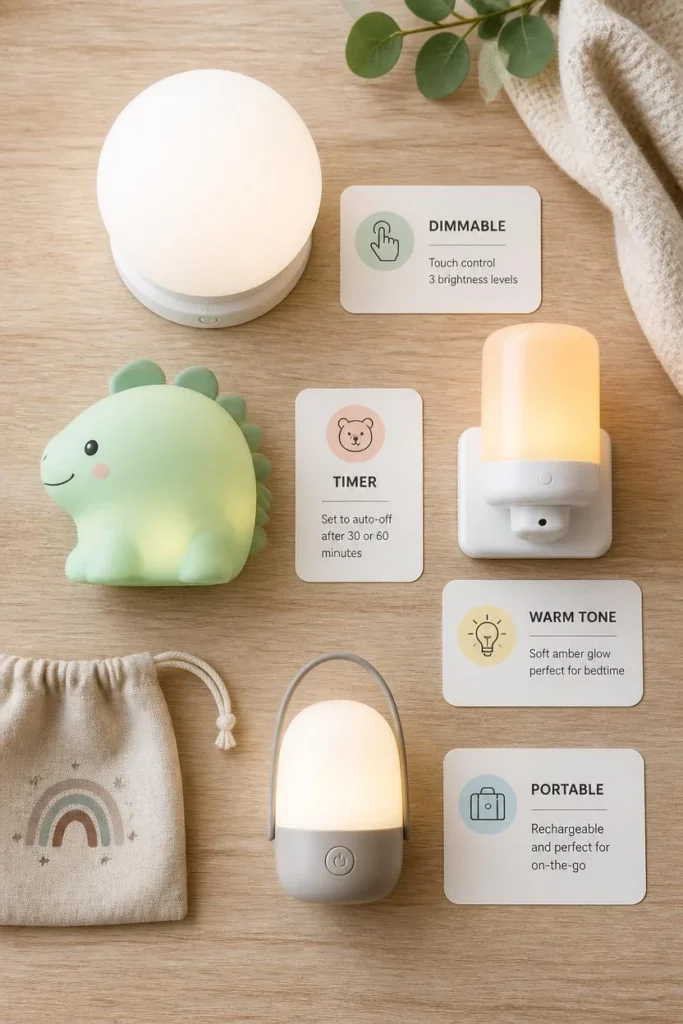
So what should you actually prioritize when shopping for a night light for your child’s room? Let me break it down for you so you are not standing in the store squinting at product packaging for 20 minutes.
Brightness and Dimming Options
Adjustable brightness is a non-negotiable feature for a good kids night light. A light that is fixed at one brightness level often ends up being either too dim to matter or too bright to sleep.
Look for a night light with multiple brightness settings or a smooth dimming function.
Some parents prefer a light that starts dim and gradually dims further as the child falls asleep. Several smart night lights on the market offer this feature, and honestly, it is a game-changer once you try it.
Browse Dimmable Night Lights For Kids On Amazon
Color Options and Warm Tones
Not every child responds the same way to the same color. Some children find a soft amber glow most relaxing. Others do better with a gentle pink or peach tone.
A night light that offers color customization gives you the flexibility to find what works for your specific child without having to buy multiple products.
That said, if the night light only offers one color, make sure it is on the warm end of the spectrum.
Steer clear of anything that defaults to bright white or cool blue unless it has a red or amber mode you can switch to.
Automatic Shut-Off and Timer Functions
A night light that stays on all night is not ideal, even with a warm tone.
A timer function allows the light to turn off automatically after your child falls asleep, which means they sleep in the dark during the deeper sleep stages of the night.
This is much better for long-term sleep quality than leaving a light on until morning.
Look for lights with 30-minute, 60-minute, or 90-minute timer options. Some even have smart home integration so you can control them from your phone. Because apparently we live in the future now.
Portability and Plug-In Options
Do you need a night light that travels? Or one that stays planted on a nightstand? This matters more than you think.
Portable, battery-operated night lights are fantastic for travel, sleepovers, or moving the light from room to room.
Plug-in options, on the other hand, tend to be more reliable for everyday use since you never have to worry about dead batteries at 11 p.m.
Some families actually use both. A plug-in version lives in the bedroom as the main sleep aid, while a small portable one goes in the travel bag.
That is a smart setup if your child is particularly dependent on their night light routine.
Best Types of Night Lights for Different Kids
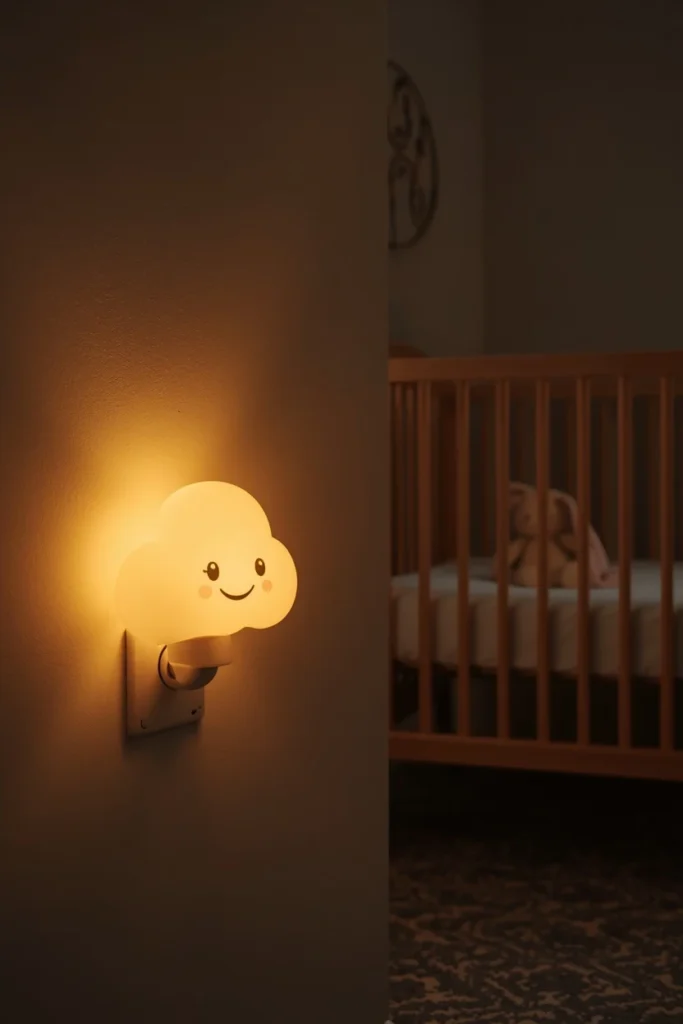
Every child is different, and what works for a toddler does not necessarily work for a seven-year-old. Here is a quick breakdown of the best types of night lights by age and situation.
For Toddlers (Ages 1 to 3)
Toddlers respond best to simple, soft, single-color night lights. They do not need bells and whistles. In fact, the simpler the better.
A plug-in amber or red night light with a consistent, steady glow is usually the most effective choice for this age group.
Avoid anything with multiple blinking modes or interactive features. Toddlers do not need more reasons to stay awake, trust me on this one.
For Preschoolers (Ages 3 to 5)
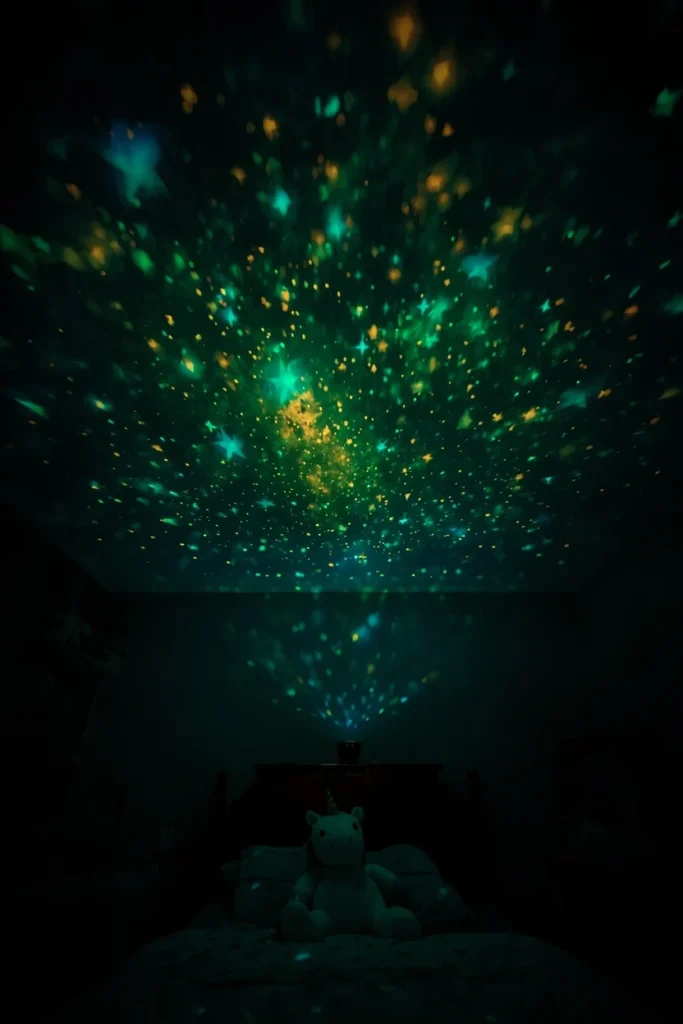
Preschoolers often have more specific fears about the dark and benefit from a night light they feel some ownership over.
A projector-style night light that puts soft stars or a gentle scene on the ceiling can be a great comfort at this age, as long as you use it in wind-down mode only and do not let it become an overstimulating light show.
Look for projectors with a calm, stationary projection mode rather than a rotating, colorful display. The idea is a gentle visual to glance at, not a full theatrical production.
For School-Age Kids (Ages 6 to 10)
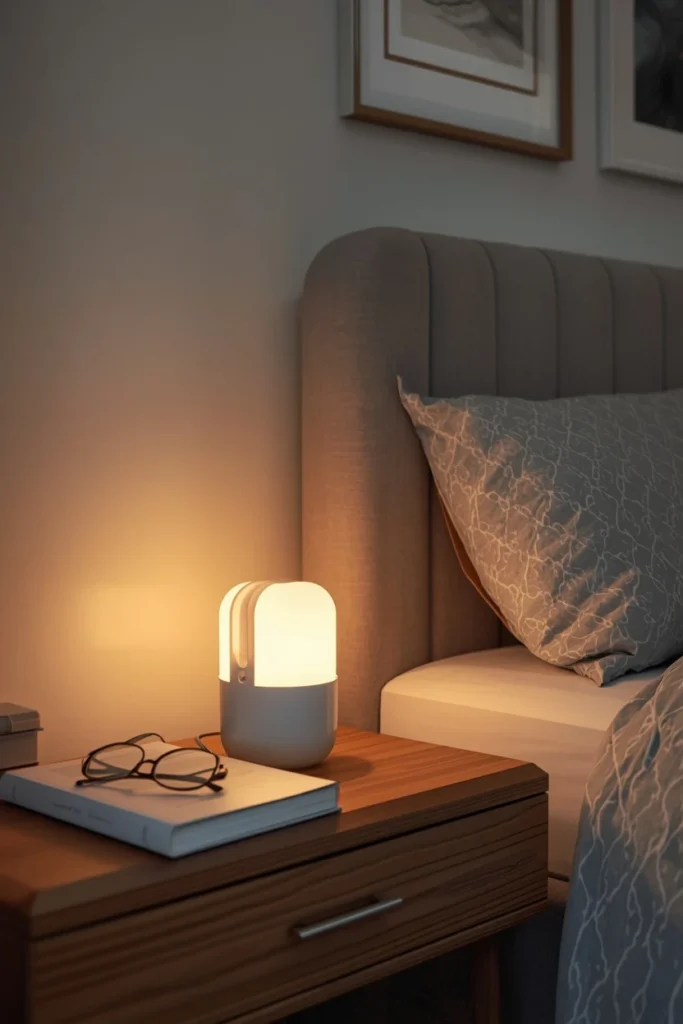
Older kids often want something that feels a little more grown-up. A touch-activated bedside lamp with warm dimming capability hits the sweet spot here.
It gives them control, which matters a lot at this age, while still functioning as a proper sleep aid.
Some school-age kids also respond well to sunrise alarm clocks with a built-in night light mode.
These devices slowly dim to darkness at bedtime and simulate a sunrise in the morning, supporting the whole circadian rhythm rather than just the sleep side of things.
Shop Night Lights And Sunrise Alarm Clocks For Kids On Amazon
Setting Up the Night Light for Maximum Sleep Benefit
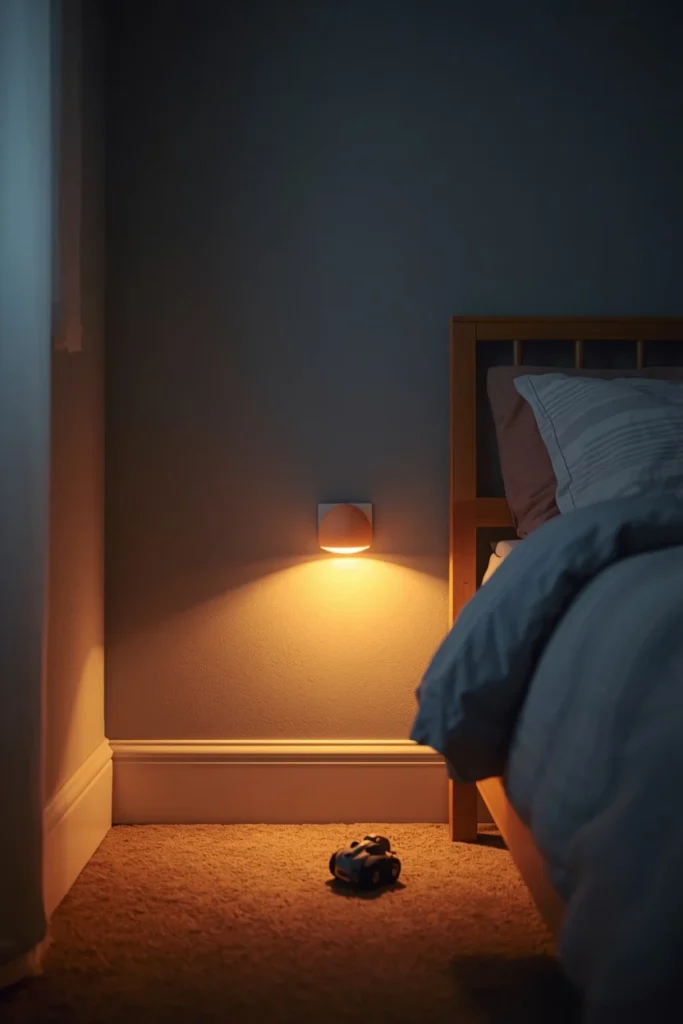
Choosing the right night light is only half the battle. Where you place it and how you use it matters just as much. Here are a few practical tips.
- Position the light low, near floor level or on a low nightstand, to minimize how much light reaches the eyes directly
- Keep the brightness at the lowest effective setting, just enough for your child to feel safe
- Use the timer function consistently so the light shuts off after your child is asleep
- Pair the night light with a consistent bedtime routine to reinforce the sleep association
- Avoid turning the main overhead light back on once the night light is on for the night, as this resets the whole wind-down process
Small habits like these make a surprisingly big difference over time. You are essentially training your child’s brain to recognize the dim, warm light as a signal that sleep is coming.
And once that association sticks, bedtime gets so much easier.
Final Thoughts
A night light for a kids room that actually helps them sleep is not just a product. It is a small but meaningful part of your child’s sleep environment.
When you get the color, brightness, and placement right, you are working with your child’s biology rather than against it.
The right night light gives your child the security they need without sabotaging the melatonin their brain is trying to produce.
That combination is what separates a genuinely helpful night light from a glowing toy that keeps everyone awake until midnight.
Choose warm, dim, and simple. Your future well-rested self will absolutely thank you for it.
Find The Right Night Light For Your Child On Amazon
What Color Night Light Helps Kids Sleep Best?
Warm colors like amber, red, and soft orange work best for helping kids sleep.
These tones sit at the low end of the light spectrum and have the least impact on melatonin production, which is the hormone responsible for making your child feel sleepy.
Avoid cool white or blue-toned night lights at bedtime since they signal the brain to stay alert rather than wind down.
Should a Night Light Stay on All Night in a Kids Room?
Ideally, no. While a night light is great for helping your child fall asleep, leaving it on all night can interfere with the deeper, more restorative stages of sleep.
The best approach is to use a night light with a built-in timer so it shuts off automatically after 30 to 90 minutes, once your child has already drifted off.
That way, they get the comfort they need at bedtime without the light disrupting their sleep cycle through the night.
At What Age Should a Child Stop Using a Night Light?
There is no universal age, and honestly, there does not need to be.
Many children naturally outgrow their need for a night light somewhere between ages six and ten, but some kids and even some adults sleep better with a small amount of light in the room.
If the night light is warm-toned, dim, and on a timer, there is no harm in keeping it as part of the bedtime routine for as long as your child finds it helpful.
Can a Night Light Affect a Child’s Sleep Quality Over Time?
Yes, it can, but whether the effect is positive or negative depends entirely on the type of night light you use.
A bright, blue-toned, or constantly stimulating night light can suppress melatonin and delay sleep onset night after night, which adds up over time.
A warm, dim, timer-controlled night light, on the other hand, supports the sleep environment rather than working against it.
The key is making a deliberate choice rather than just grabbing whatever is on sale.
Where Should You Place a Night Light in a Child’s Bedroom?
Position matters more than most parents realize. Place the night light low in the room, either on a low nightstand, a shelf near floor level, or plugged into a baseboard outlet.
The goal is to provide enough ambient light for your child to feel safe without shining directly into their eyes.
A light that sits at eye level while your child is lying down can be surprisingly stimulating, even at a low brightness setting. Low and warm is always the winning combination.