Blackout Curtains for Kids Room That Stop Early Wakeups
If your kid treats 5:30 AM like prime time television, you already know the struggle is real.
That first sliver of sunrise hits their window and suddenly you’ve got a tiny human bouncing on your bed asking for pancakes.
I’ve been there, and the fix that actually worked for my household wasn’t a new bedtime routine or a magic lullaby playlist.
It was blackout curtains, the real deal kind, not the flimsy “room darkening” panels that let light sneak in through every gap.
This guide covers everything I learned the hard way so you don’t have to repeat my mistakes.
We’ll talk fabric, fit, mounting tricks, and the small details that separate a curtain that actually blocks sunrise from one that just looks like it does.
Why Early Wakeups Happen More Than You Think
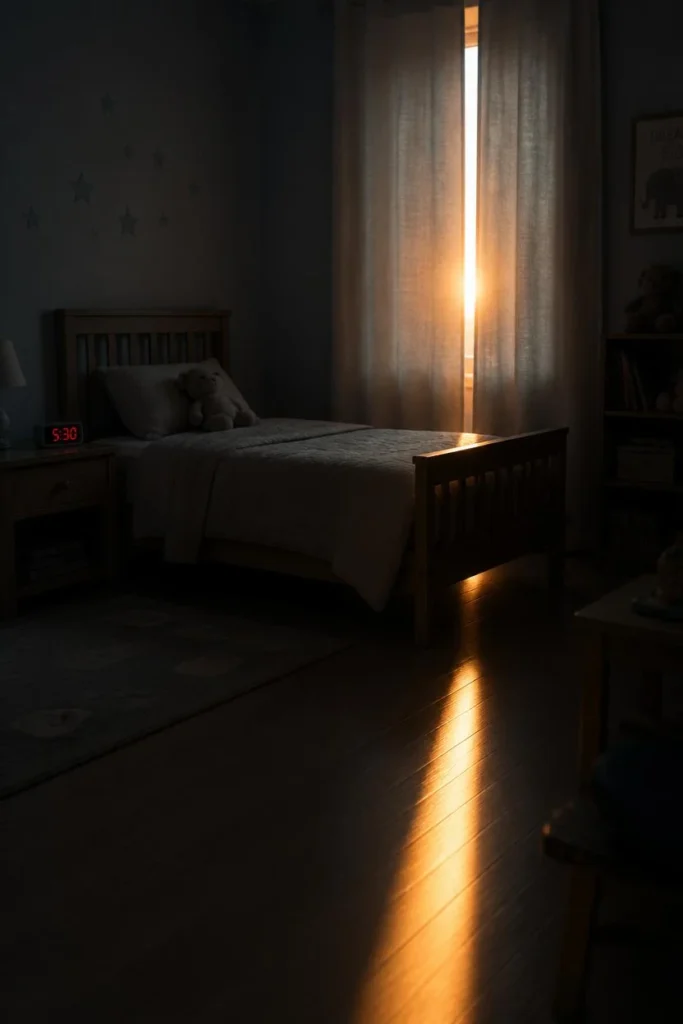
Kids are biologically wired to wake with light. Their circadian rhythm responds to even small amounts of brightness, way more sensitively than an adult’s does.
So when that 5 AM sun creeps through a thin curtain, their little brain reads it as “time to start the day.”
Ever wondered why your kid sleeps in fine on cloudy days but turns into a rooster the second it’s sunny? That’s not a coincidence.
Light exposure directly affects melatonin production, and even a small gap around a curtain can let in enough light to mess with that signal.
The core problem isn’t laziness or a bad bedtime. It’s literally physics. Light gets in, melatonin drops, and your kid wakes up ready to negotiate snack terms before the sun has even fully risen.
What Actually Makes a Curtain “Blackout”
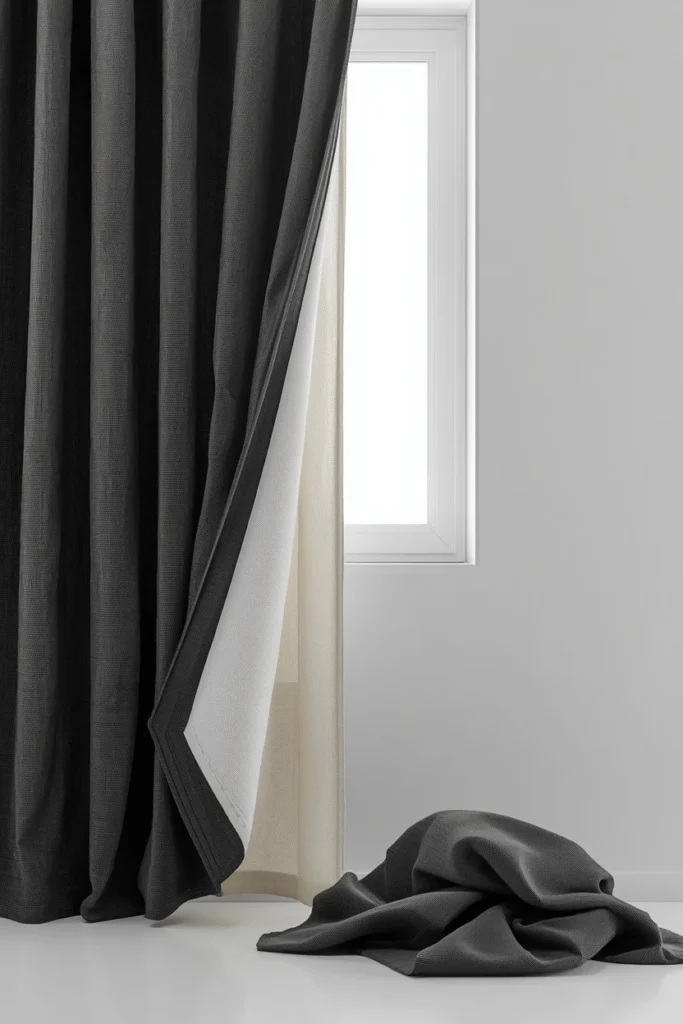
Here’s where marketing gets sneaky. A lot of curtains slap “blackout” on the label and call it a day, but they’re really just thicker fabric that dims the room rather than truly darkening it.
Real Blackout vs Room Darkening
These two terms get used interchangeably, and that drives me a little crazy.
- Room darkening blocks roughly 80 to 95 percent of light, leaving a soft glow around the edges
- True blackout blocks 99 to 100 percent of light through a triple weave or foam-backed layer
- Thermal blackout adds an insulating layer, which is a nice bonus if your kid’s room runs hot or cold
If you want to actually stop sunrise wakeups, room darkening alone won’t cut it. You need the real triple-weave stuff, even if it costs a few extra dollars.
Shop Triple-Weave Blackout Curtains On Amazon
Fabric and Construction Details
The fabric matters way more than the color or pattern, even though I know the dinosaur print is calling your name.
Look for curtains with a foam-backed lining or a tightly woven triple layer, since both block light far better than a single thick panel.
A heavier fabric also tends to muffle outside noise a bit, which is a nice side perk nobody talks about enough.
I noticed this myself when I swapped my son’s old curtains for a proper blackout set and suddenly the garbage truck at 6 AM wasn’t waking him up either.
Browse Foam-Backed Blackout Curtains
Sizing and Fit Matter More Than You’d Guess
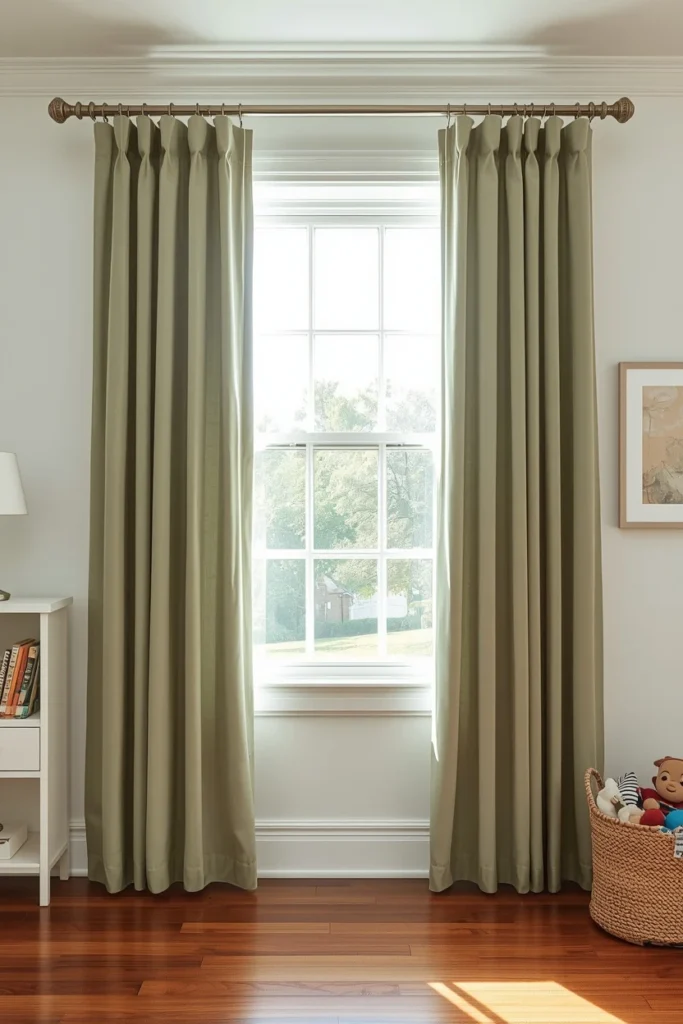
I used to think any curtain that covered the window would do the job. Turns out, gaps are the real enemy here, not the fabric thickness.
Width Is Your Best Friend
Buy curtains that are at least twice the width of your window.
This extra fabric lets you close the panels with overlap in the middle, instead of leaving an awkward sliver of light right where the sun loves to sneak through.
Length Matters Too
Curtains should extend past the windowsill, ideally down to the floor or even pooling slightly. Short curtains that stop right at the sill practically invite morning light to bounce in from below.
Mounting Height and Width
This is the part people skip, and it’s honestly the most important fix on this whole list.
- Mount the curtain rod higher than the window frame, ideally close to the ceiling
- Extend the rod several inches wider than the window itself on both sides
- Use a wraparound or French return rod if you really want to eliminate side light gaps
Honestly, that wraparound rod trick changed everything for us.
The curtain wraps around the sides of the window frame instead of just hanging flat in front of it, which kills almost all the side leakage that regular rods leave behind.
Check Out Wraparound Curtain Rods
Extra Tricks for Stubborn Light Leaks
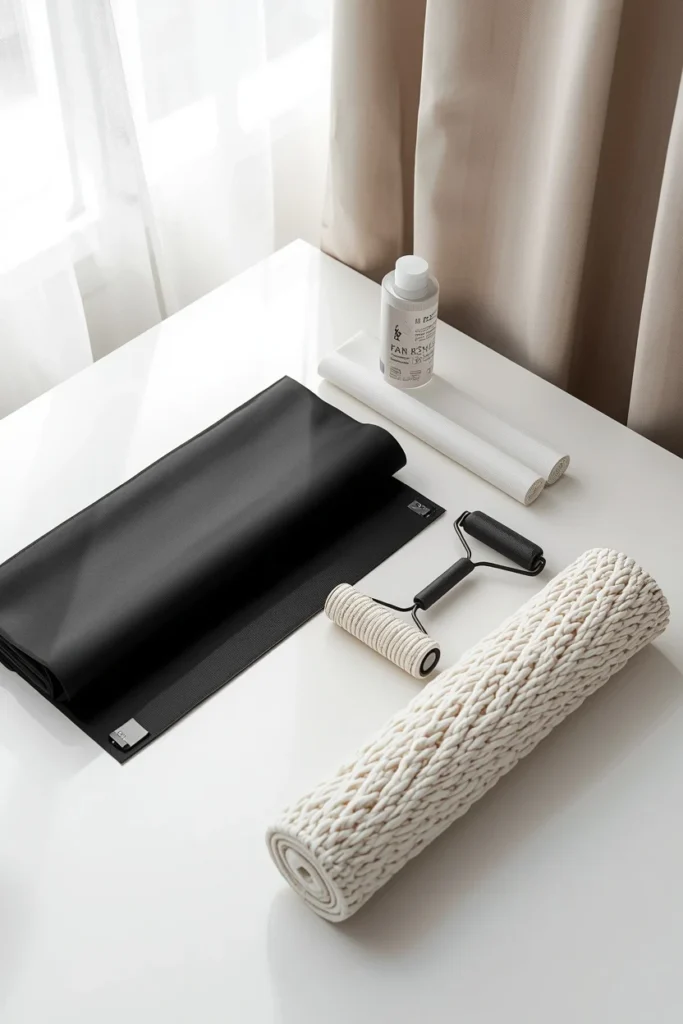
Even with the best curtains, some rooms have weird window shapes or stubborn light gaps that need a little extra help.
Blackout Liners and Curtain Clips
If you already love a curtain but it’s not blocking enough light, add a blackout liner behind it instead of replacing the whole thing. It’s cheaper and honestly works really well.
Curtain clips or magnetic strips along the sides also help seal up those sneaky gaps where light squeezes through.
Find Blackout Curtain Liners On Amazon
Window Film as a Backup Layer
A frosted or blackout window film applied directly to the glass adds another layer of defense, especially useful for skylights or windows where curtains alone can’t fully cover the frame.
It’s not the prettiest option, but if you’ve got a particularly stubborn east-facing window, it’s worth the extra step.
Don’t Forget the Door
This one trips people up constantly. If there’s a gap under the bedroom door and hallway light spills in, even perfect curtains won’t stop the wakeup.
A simple door draft stopper solves this for about ten dollars.
My Honest Take on Popular Options
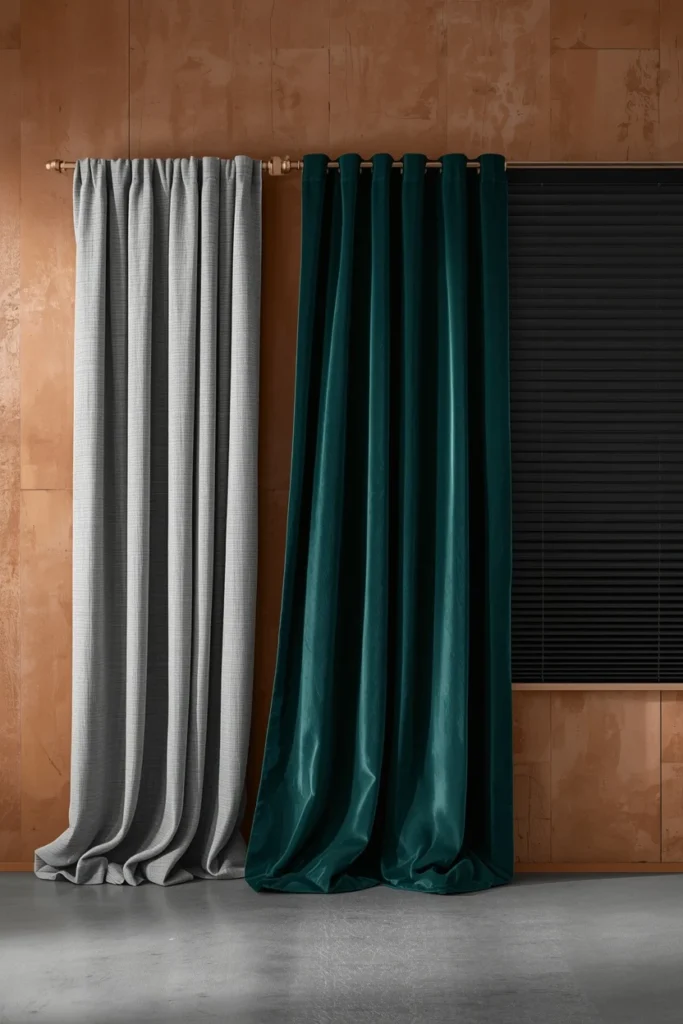
I’ve tried a handful of different setups over the years, and here’s where I landed after all the trial and error.
- Budget triple-weave panels work surprisingly well and don’t need to break the bank, though the fabric can feel a bit stiff
- Premium blackout curtains with thermal lining are worth it if your kid’s room faces direct morning sun, since the insulation helps regulate temperature too
- Cordless blackout cellular shades are great as a layered backup under curtains, especially for households worried about cord safety with younger kids
I’ll be honest, I was skeptical that curtains alone could fix something as stubborn as my kid’s internal alarm clock.
But after switching to a proper triple-weave panel with a wraparound rod, the difference was almost embarrassing. Why didn’t I do this years earlier?
Color and Design Without Sacrificing Function
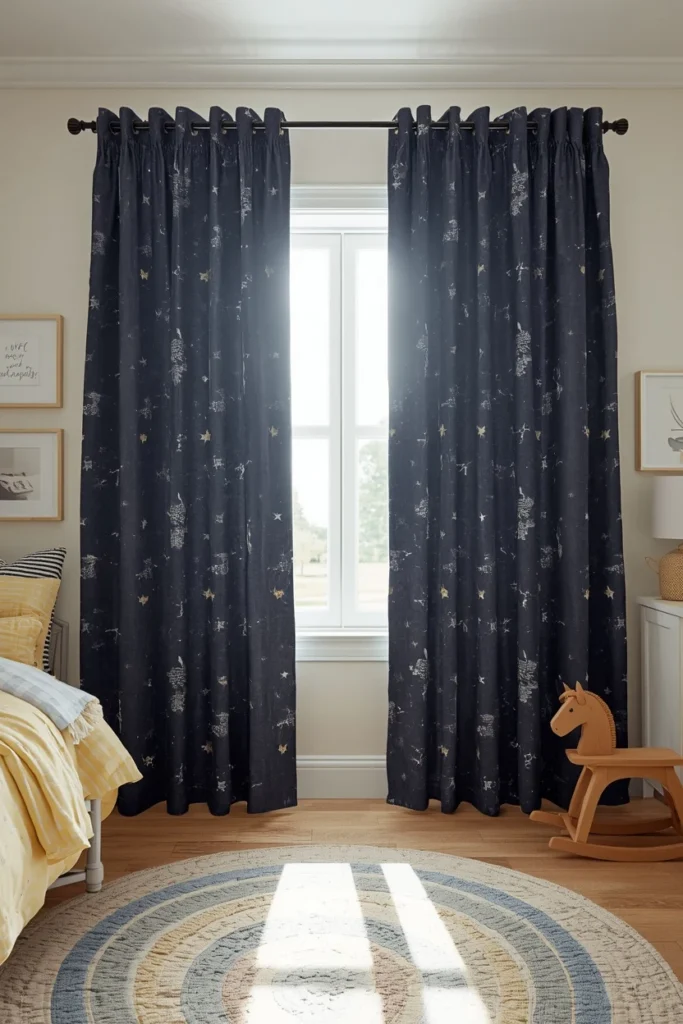
You don’t have to choose between a curtain that works and one that actually looks nice in the room.
Plenty of blackout curtains now come in fun prints, soft pastels, and even glow-in-the-dark stars for that little bit of nighttime magic.
Darker colors do tend to block slightly more light than pale pastels, simply because of how dye density works with the fabric.
That said, a true triple-weave blackout fabric in a light color will still outperform a thin dark curtain, so don’t stress too much over color choice alone.
Quick Checklist Before You Buy
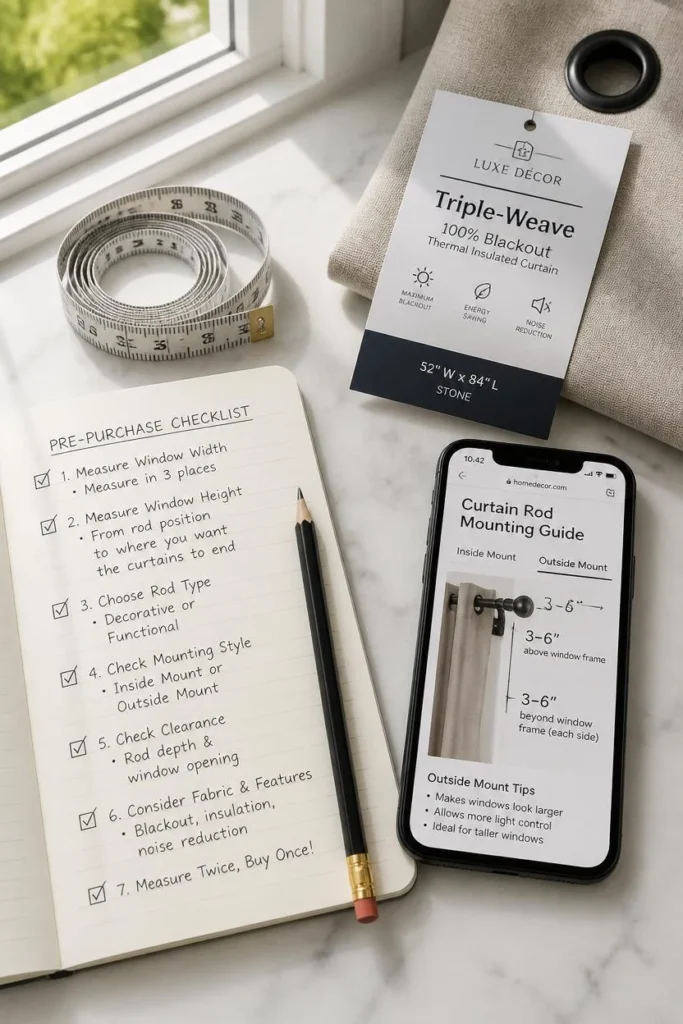
Before clicking “add to cart” on the cutest curtain you can find, run through this list first.
- Confirm it’s labeled true blackout, not just room darkening
- Check the width is at least double your window’s width
- Make sure the length reaches the floor or windowsill and beyond
- Plan to mount the rod higher and wider than the window frame
- Consider a liner or window film for stubborn light gaps
- Don’t forget the door gap if hallway light is an issue
Explore Top-Rated Blackout Curtains
Wrapping This Up
Stopping early wakeups really comes down to controlling light, and that starts with picking real blackout curtains, not the imposters wearing the same label.
Get the right fabric, size it generously, mount the rod properly, and patch up any sneaky gaps with liners or door stoppers.
It sounds like a lot of small steps, but together they add up to a kid who actually sleeps until a reasonable hour.
I won’t promise you’ll get a full extra two hours of sleep overnight, but in my house, this setup turned a 5:30 AM wakeup call into a much more civilized 7 AM.
If your mornings currently start with the sunrise and a small person standing over your bed, give your curtains an upgrade first. Your future well-rested self will thank you.
What Is The Difference Between Blackout And Room Darkening Curtains
Room darkening curtains block around 80 to 95 percent of light and still let a soft glow through around the edges.
True blackout curtains use a triple weave or foam-backed lining that blocks 99 to 100 percent of light, which makes a real difference for sunrise wakeups.
Do Blackout Curtains Actually Stop Early Morning Wakeups
Yes, when sized and mounted correctly.
Most early wakeups happen because light leaks in around the edges of poorly fitted curtains, so a wide, floor-length blackout panel mounted higher than the window frame solves the problem in most kids rooms.
How Wide Should Blackout Curtains Be For A Kids Room
Aim for curtains that are at least double the width of the window. This extra fabric allows enough overlap when closed, which prevents the common gap of light that sneaks through the middle.
Can I Add A Blackout Liner Instead Of Buying New Curtains
Absolutely, and it’s usually the cheaper fix. A blackout liner attaches behind your existing curtains and adds the same light-blocking benefit without replacing panels you already love.
What Color Blackout Curtains Block The Most Light
Darker colors tend to block slightly more light due to dye density, but the fabric construction matters far more than color.
A true triple-weave blackout curtain in a light pastel shade will still outperform a thin curtain in a dark color.