Bedroom Homework Station Ideas Kids Will Love
Every parent knows that getting kids to sit down and actually do their homework can feel like negotiating a peace treaty. But here’s the thing: half the battle is the setup.
When a kid has a space that genuinely excites them, they stop treating homework like a punishment and start treating it like something they actually want to show up for.
And that, my friend, changes everything.
A bedroom homework station does not need to cost a fortune or require a contractor. It just needs to be thoughtful, functional, and just a little bit fun.
Let me walk you through some of the best ideas out there, and I will be completely honest about what actually works.
Why a Dedicated Homework Station Matters
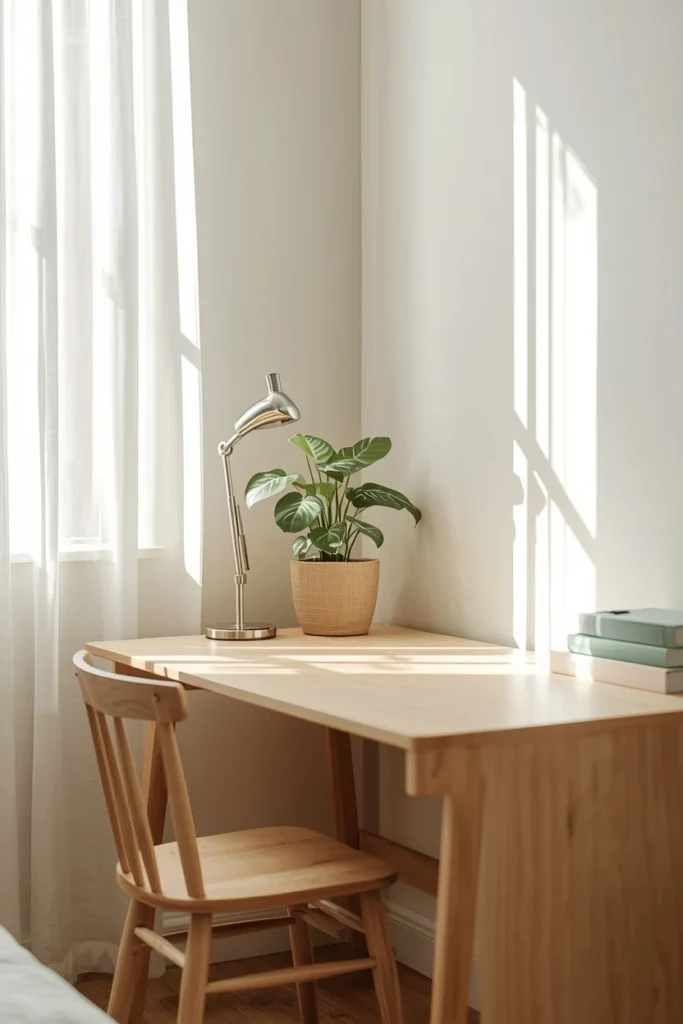
Let’s be real for a second. Doing homework on the kitchen counter while someone is cooking pasta nearby is not exactly a recipe for focus.
Kids need a spot that is theirs, that signals to their brain “this is where we get things done.”
A dedicated homework station in the bedroom removes distractions, keeps supplies organized, and builds a routine.
Routines, as any sleep-deprived parent will tell you, are the backbone of a functional household.
When the desk is always in the same spot, the brain starts to associate that space with concentration and productivity.
Research backs this up too. Environmental cues play a huge role in focus and habit formation. Give a kid a well-set-up space, and you are giving them a tool they will use for years.
Start With the Right Desk
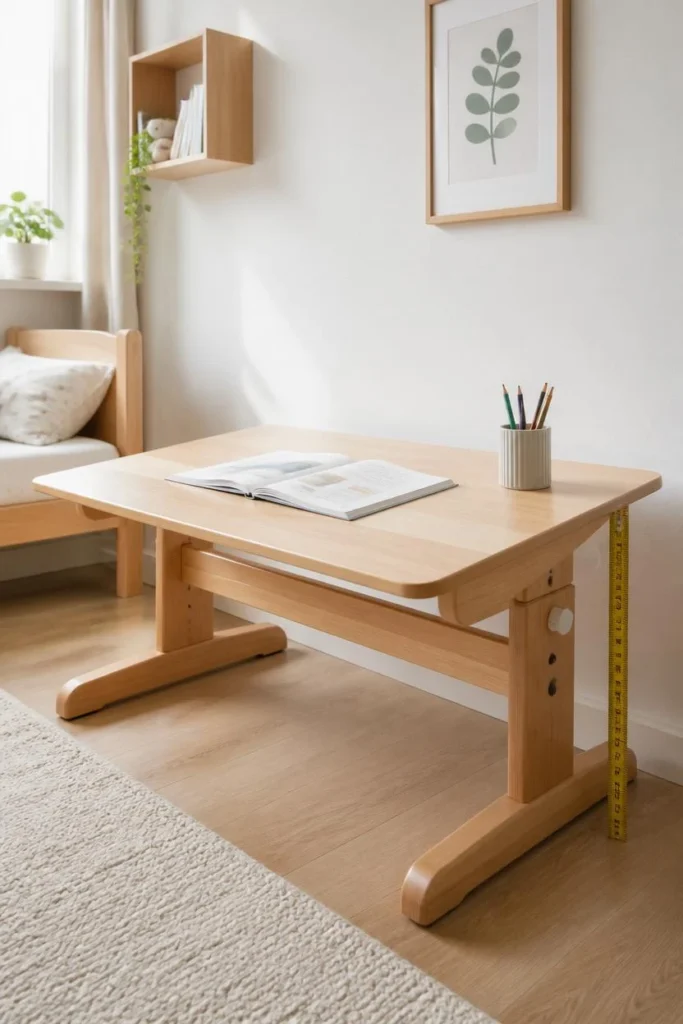
Size and Height Matter More Than You Think
This is the part people rush past, and then they wonder why their kid is constantly slumping. The desk should fit the child’s current height, not the height they might grow into in three years.
An adjustable desk is genuinely one of the smartest investments you can make here.
Look for desks that:
- Adjust in height as the child grows
- Have enough surface area for a notebook, laptop, and a cup of pencils without things falling off
- Include at least one drawer or shelf for storage
A cramped desk makes for a frustrated kid. Go slightly bigger than you think you need.
Shop Adjustable Kids’ Desks On Amazon
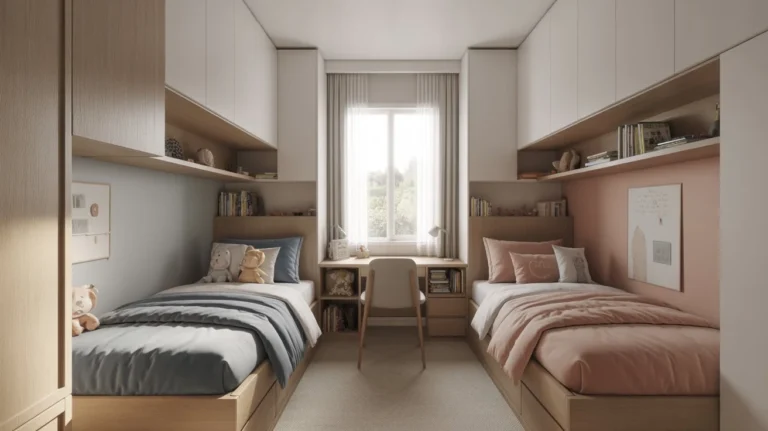
Corner Desks Are Underrated
If your child’s bedroom has an awkward corner, turn it into an asset.
Corner desks maximize space beautifully and give kids a sense of being “enclosed” in their work zone, which actually helps with focus.
They also free up wall space for shelving and decor, which we will get to in a minute.
Storage Solutions That Keep Things Tidy
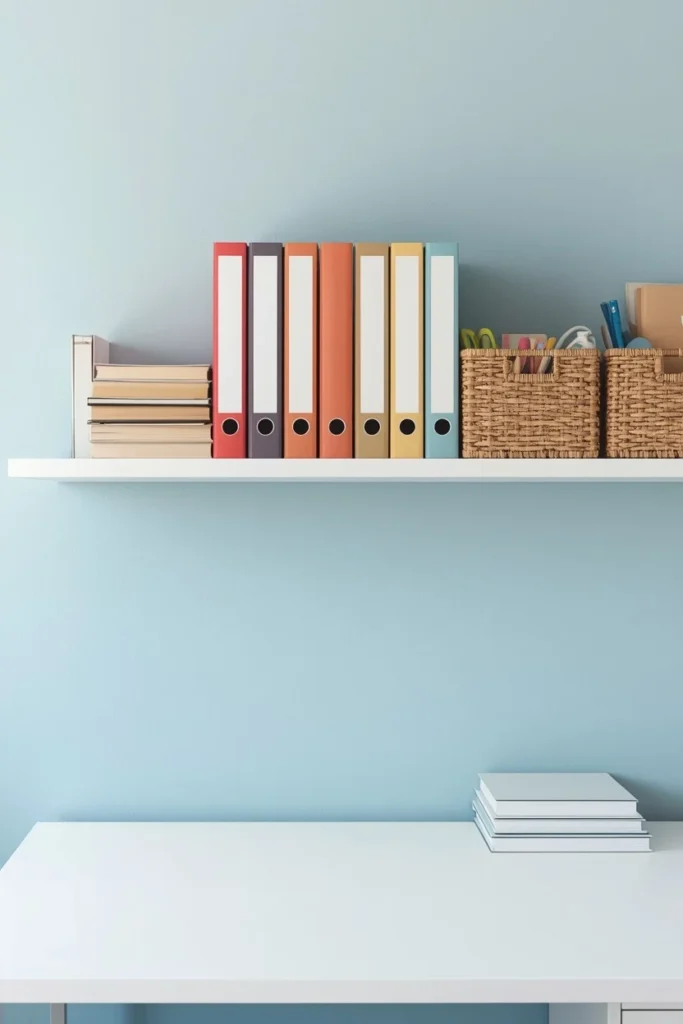
The Shelf-Above-the-Desk Setup
This is probably the most practical thing you can do for a bedroom homework station. Mount a shelf directly above the desk and suddenly you have a whole vertical dimension to work with.
Vertical storage keeps the desk surface clear, which means fewer distractions and less time spent hunting for a ruler.
Stock those shelves with:
- Color-coded binders for each subject
- Small bins or baskets for loose supplies
- A few books the child actually likes (yes, even non-school ones)
The goal is organized, not sterile. A shelf that looks like a museum exhibit is not going to inspire anyone.
Rolling Carts Are Secretly Brilliant
A small rolling cart parked beside the desk gives kids extra storage they can actually move around.
Many parents use the three-tier style carts, and honestly they are one of the best low-cost organizational tools available.
Each tier can hold a different category: art supplies, stationery, school books.
The rolling cart also teaches kids to organize by category, which is a skill that will serve them long after the homework years are over.
Find Affordable Rolling Storage Carts On Amazon
Lighting That Actually Works
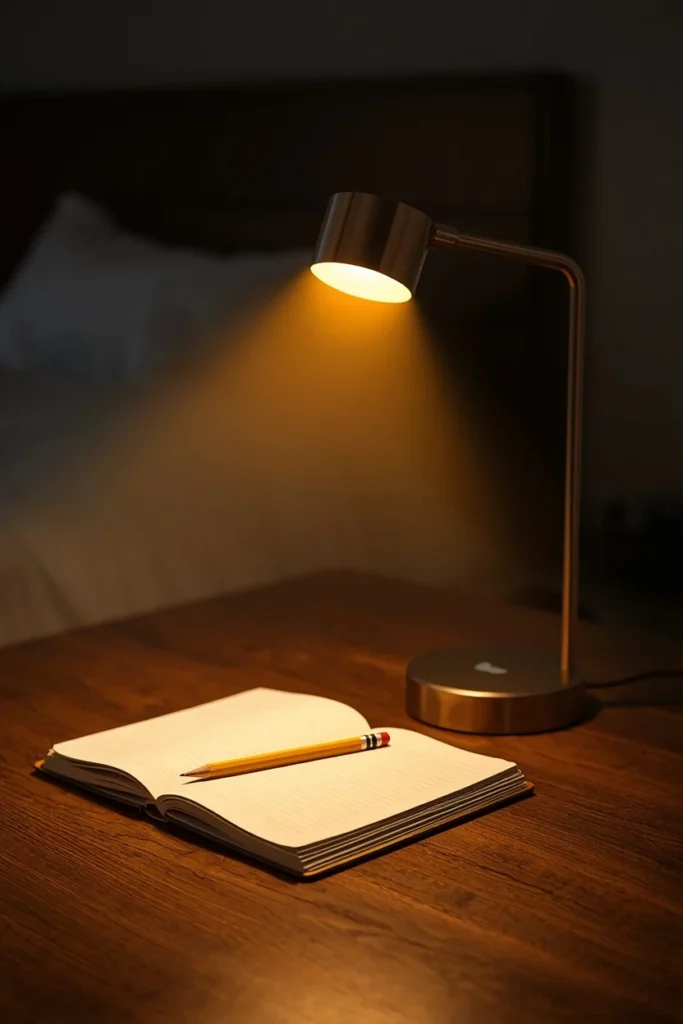
Here is something a lot of people underestimate: bad lighting ruins a study session faster than almost anything else.
Overhead lighting in most bedrooms is just not enough for focused desk work. Kids end up squinting, getting headaches, and using “my eyes hurt” as a perfectly valid excuse to stop working.
Invest in a good adjustable desk lamp. LED lamps with adjustable brightness and color temperature are ideal. Warm light is more relaxing, while cooler, brighter light signals alertness.
Some of the better options let you switch between modes depending on whether your child is reading or doing math.
A lamp with a USB charging port on the base is also worth the slight upgrade in price. Kids always need to charge something.
Browse Top-Rated Desk Lamps On Amazon
Make It Personal: Decor That Motivates
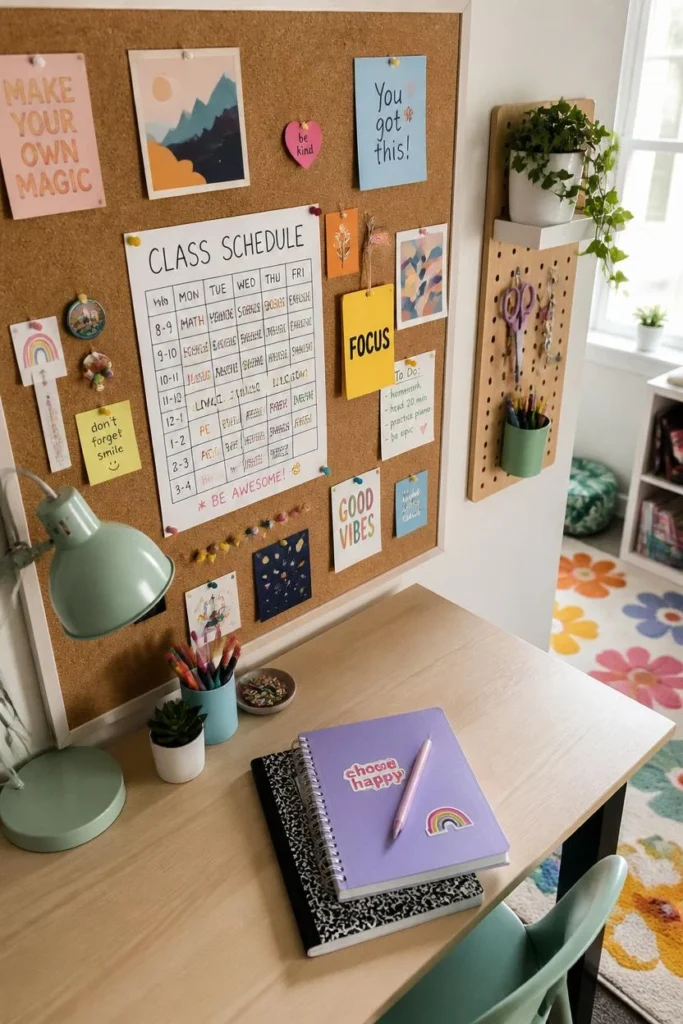
Let Them Own the Space
Here is where parents sometimes get it wrong. They set up a beautiful, Pinterest-perfect homework station, and the kid wants nothing to do with it because it does not feel like theirs.
Let your child have input on the decor. Within reason, of course. You probably do not need a lava lamp next to the calculator.
Give them a corkboard or a pegboard above the desk where they can pin:
- Goals they are working toward
- Drawings or photos they like
- Motivational quotes they actually chose themselves
- Class schedules and important dates
A personalized space feels safe and inviting, and a kid who feels comfortable in their workspace is far more likely to use it.
Color Psychology Is Real
You do not need a psychology degree to understand that color affects mood. Soft blues and greens tend to support calm focus.
Yellows can bring energy and creativity. Reds are a bit intense for a study space but work brilliantly as small accents.
Let the child pick a primary color for the space and build around it. Even if they pick something you would not have chosen yourself, remember: this station is for them, not for your home decor aesthetic.
Tech Setup for the Modern Student
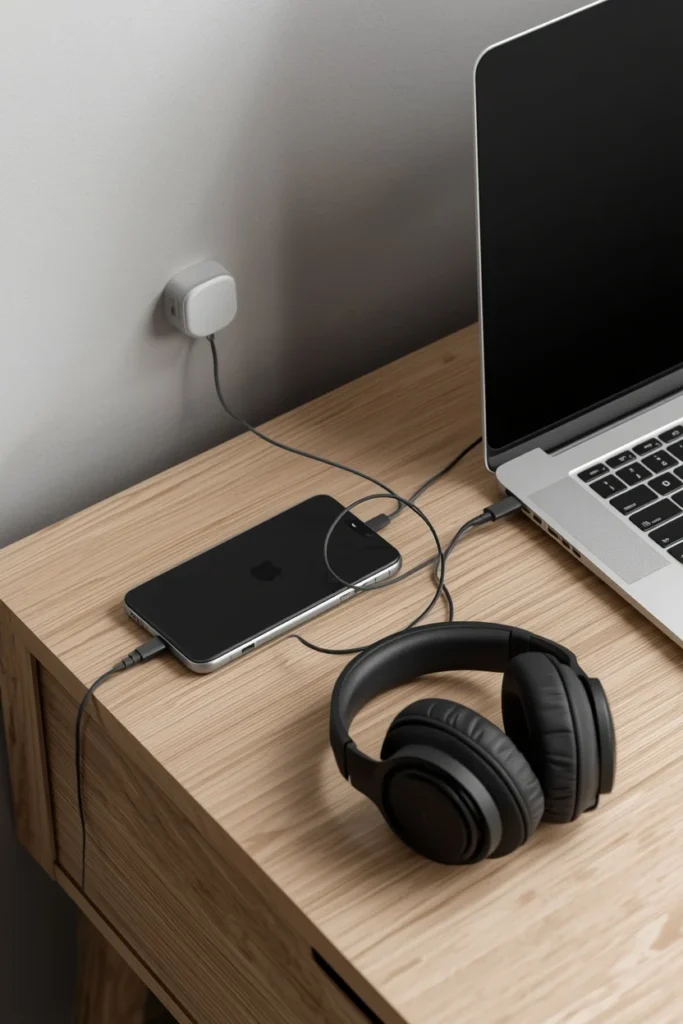
The Charging Station Question
Nearly every kid above a certain age needs some form of technology for homework, whether it is a tablet, a laptop, or a school-issued Chromebook.
A tidy charging setup prevents the chaos of tangled cables and missing chargers.
A simple multi-port USB hub or a small charging station keeps everything in one spot. Wall-mounted cable organizers also work well if you want to keep cords from taking over the desk.
Headphones Are Not Optional
If you have more than one child, you already know that shared spaces are loud. Even in their own bedroom, kids can get distracted by noise from the rest of the house.
A decent pair of over-ear headphones (not necessarily expensive, just comfortable) lets a child focus without the rest of the world crashing into their study time.
Some kids also focus better with background music or ambient sound. A small Bluetooth speaker on the desk is a nice touch, as long as it is used for focus music, not a full playlist shuffle situation.
Shop Kids’ Study Headphones On Amazon
Budget-Friendly Bedroom Homework Station Ideas
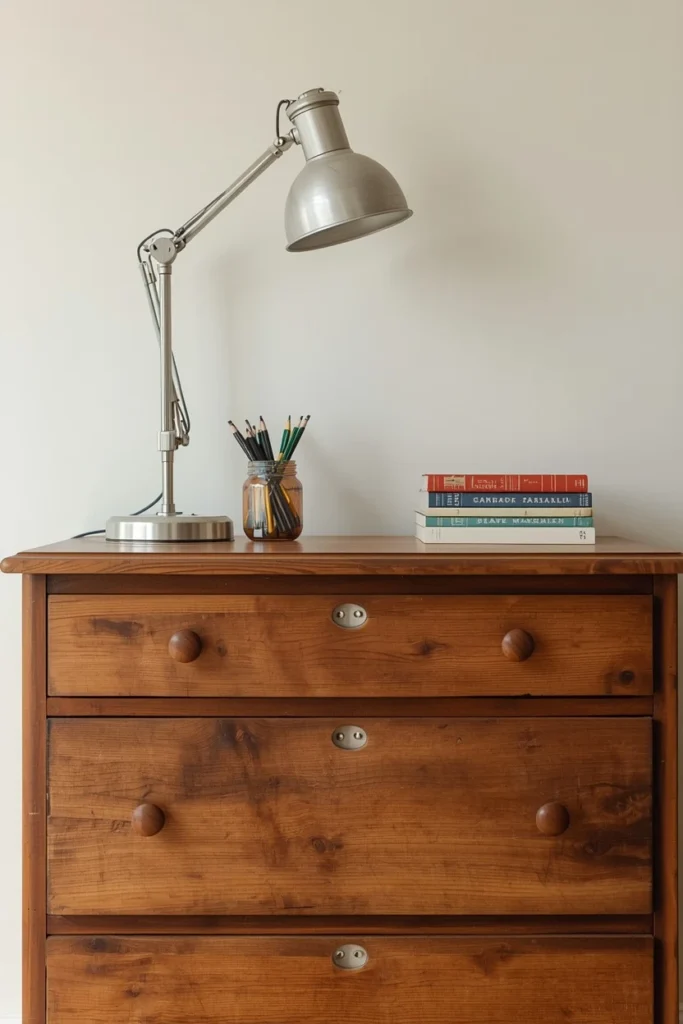
Not everyone is working with unlimited space or budget, and that is completely fine.
Some of the most effective homework stations cost very little to put together. Here are ideas that work without breaking the bank:
- Repurpose a dresser top: Clear it off, add a lamp and a small organizer, and you have an instant desk surface.
- Use wall space aggressively: Floating shelves from budget home stores cost very little and dramatically increase storage.
- Secondhand desks: A solid wood desk from a thrift store, cleaned up and possibly painted, often outperforms a cheap flat-pack version in terms of durability.
- DIY pegboards: A sheet of pegboard, painted in your child’s chosen color and fitted with hooks and small shelves, is one of the most customizable storage solutions you can build for under $30.
You do not need to spend a lot to build something functional and genuinely enjoyable. The thought you put into it matters far more than the price tag.
Ergonomics: The Boring Bit That Kids Will Thank You for Later
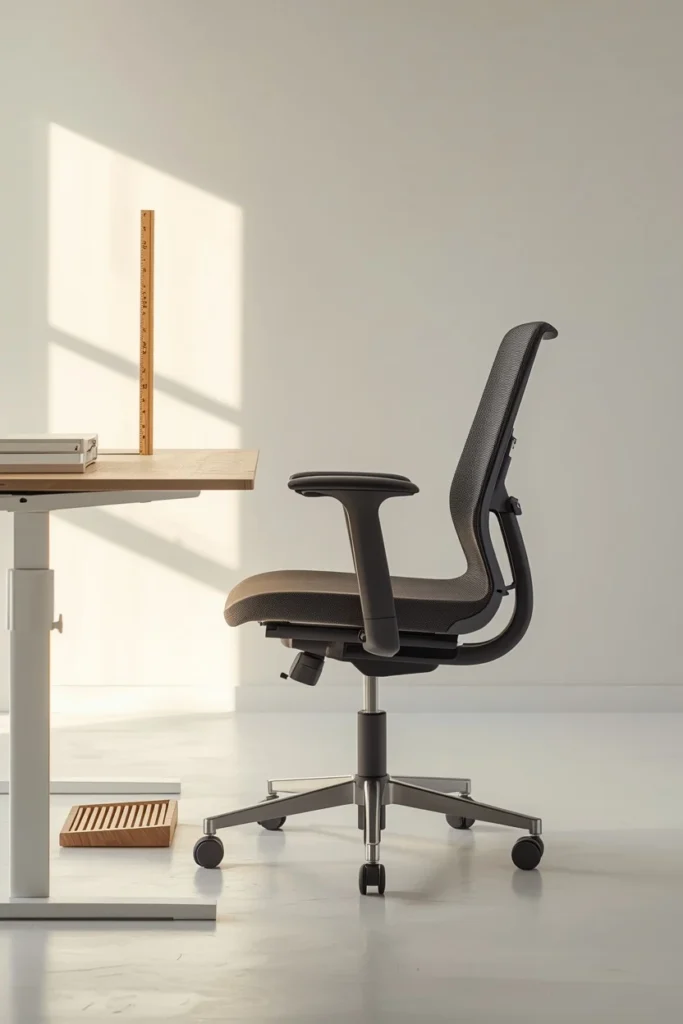
Look, ergonomics sounds dull. But setting up a station where your child hunches over a too-low desk for years causes real problems.
Good posture habits start early, and the setup of a homework station either supports or works against those habits.
A few simple rules:
- The desk surface should sit at elbow height when the child is seated
- The chair should allow feet to rest flat on the floor
- The screen, if there is one, should be at eye level
- Natural light should come from the side, not directly behind or in front of the screen
A good chair is actually more important than a good desk. An adjustable seat with back support makes a significant difference, especially for older kids tackling longer study sessions.
Browse Adjustable Kids’ Chairs On Amazon
Putting It All Together
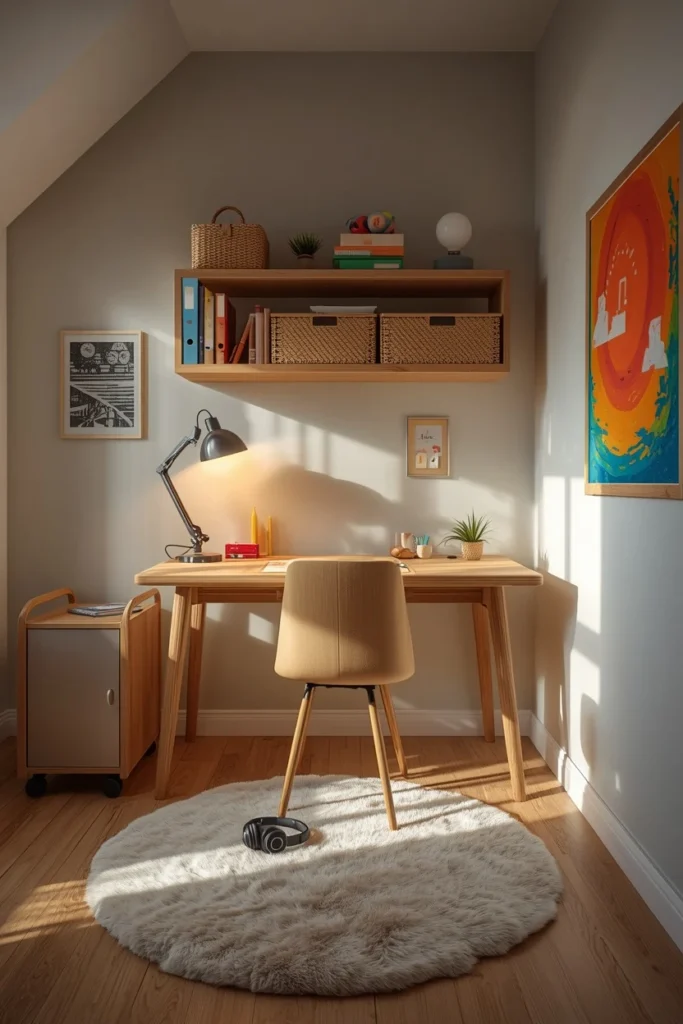
Building a bedroom homework station that kids genuinely love comes down to a few consistent principles.
You need the right size desk, enough smart storage to keep things organized without feeling clinical, great lighting, and enough personal touches to make the space feel like theirs.
The best homework station is one the child actually wants to sit at. That is the whole goal.
When kids feel comfortable and engaged in their workspace, homework becomes less of a battle and more of a habit.
And for most parents, replacing a nightly homework argument with a routine that actually works feels a little bit like winning the lottery.
Start small if you need to. Pick one or two ideas from this list and build from there. The most important step is just to start.
What Is the Best Desk Size for a Kids Bedroom Homework Station?
The best desk size depends on your child’s age and the available space in their bedroom.
For younger children between ages 5 and 10, a desk surface of around 36 to 42 inches wide is usually sufficient for schoolwork and art supplies.
Older kids who use laptops or have heavier workloads benefit from a wider surface of 48 inches or more.
Always prioritize an adjustable desk so the setup grows with your child rather than becoming uncomfortable after a year or two.
How Do I Keep a Kids Homework Station Organized Long-Term?
The key is building organization into the system from the start rather than relying on the child to figure it out.
Use labeled bins, color-coded folders for each school subject, and a dedicated spot for every single item.
A rolling cart beside the desk handles overflow supplies without cluttering the surface.
The most important habit to build is a quick five-minute tidy-up at the end of each homework session so the station stays ready for the next day.
What Lighting Works Best for a Bedroom Homework Station?
An adjustable LED desk lamp is the most practical choice for a kids homework station.
Look for one that offers both warm and cool light settings so you can switch between a relaxed reading mode and a brighter, more alert mode for focused work like math or writing.
Position the lamp to the left of the workspace if your child is right-handed, and to the right if they are left-handed, to minimize shadows falling across the page.
Can I Set Up a Homework Station in a Small Bedroom?
Absolutely. A small bedroom just requires smarter use of vertical space.
A compact floating desk mounted to the wall takes up far less floor space than a freestanding desk while still giving your child a proper surface to work on.
Add two or three shelves above it for storage and a pegboard for supplies, and you have a fully functional homework station that fits into even a tight room without making the space feel cramped.
At What Age Should a Child Have a Dedicated Homework Station?
Most children benefit from having a dedicated homework space from around age 5 or 6, which typically aligns with the start of formal schooling and regular homework assignments.
Even at that age, having a consistent spot for coloring, reading, and light schoolwork builds the habit of sitting down to focus.
Starting early with a simple, age-appropriate setup makes the transition to heavier academic workloads in later years feel much more natural for the child.