Memory Foam vs Pillow Top Mattress Toppers Compared
Ever crawled into bed after a long day, only to feel like you’re on a rock? I get it. That’s when I discovered a mattress topper could change everything.
Choosing between memory foam and pillow top felt like picking between a soft marshmallow and a cozy cloud. I’ve tested both, poked at them, and even napped to find out which makes your bed feel like heaven.
If you’ve wondered whether memory foam hugs you like a supportive friend or if a pillow top gives you that hotel luxury, you’re in the right place.
Let’s explore how these two popular mattress toppers compare, where each excels, and which one could be your perfect fit.
What Is a Memory Foam Mattress Topper?
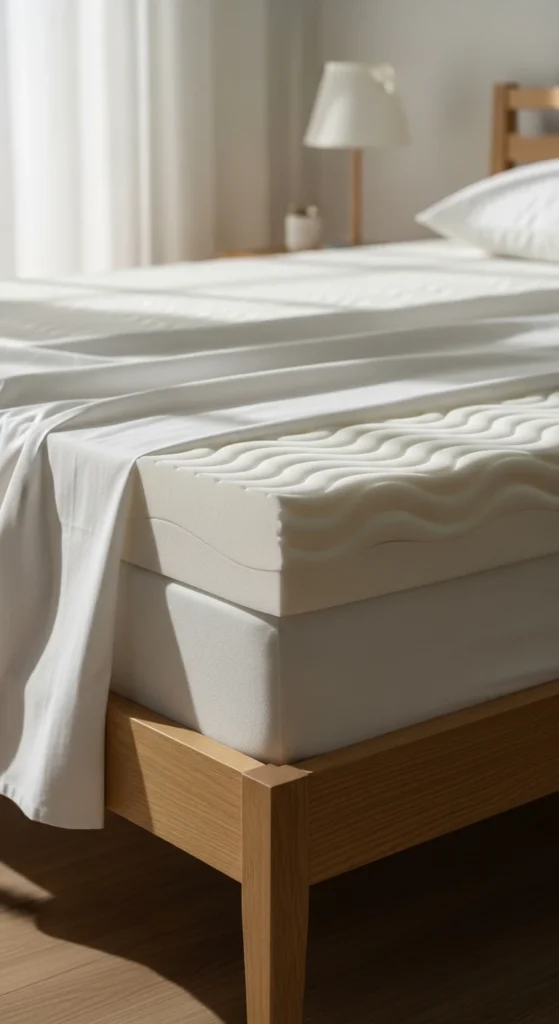
Memory foam toppers are basically the mattress equivalent of that friend who always remembers exactly how you like your coffee. They mold to your body, giving targeted support and reducing pressure points.
Memory foam responds to heat and weight, which means it conforms to your curves in a way that can feel almost magical.
Key Features of Memory Foam Toppers
- Contour Support: Follows the shape of your body to relieve pressure on hips and shoulders.
- Motion Isolation: Hate feeling your partner shift at 2 a.m.? Memory foam keeps movement localized.
- Durability: Good-quality foam can last years without sagging.
- Heat Sensitivity: Traditional foam can trap heat, so newer gel-infused options are worth considering.
I personally love how memory foam feels like it “hugs” me, but it’s not for everyone. Some people find it too enveloping or too warm during summer nights.
Browse Highly Rated Memory Foam Mattress Toppers On Amazon
What Is a Pillow Top Mattress Topper?
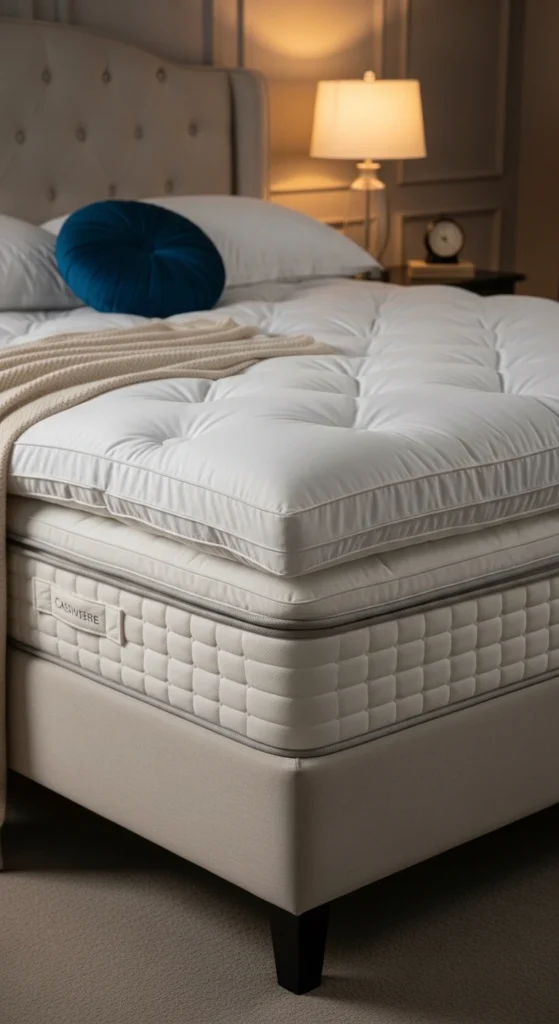
Pillow top toppers are the luxury hotel experience in your bedroom without the mini shampoo bottles. They’re soft, plush, and provide a layer of cushioning that sits atop your existing mattress.
Unlike memory foam, pillow tops don’t contour quite as much, they give you more of a cloud-like loft than a tight hug.
Key Features of Pillow Top Toppers
- Soft Comfort: Adds a plush layer that feels indulgent under your body.
- Breathable Materials: Often made with cotton, wool, or down-alternative, which helps with airflow.
- Lightweight: Easier to move or remove than dense memory foam.
- Minimal Heat Retention: Generally cooler to sleep on than memory foam.
I found pillow tops perfect for that “floating on a cloud” sensation. The only downside? They can compress over time, and you might need to fluff or replace them more often.
See Popular Pillow Top Mattress Toppers On Amazon
Comparing Comfort: Hugs vs Clouds
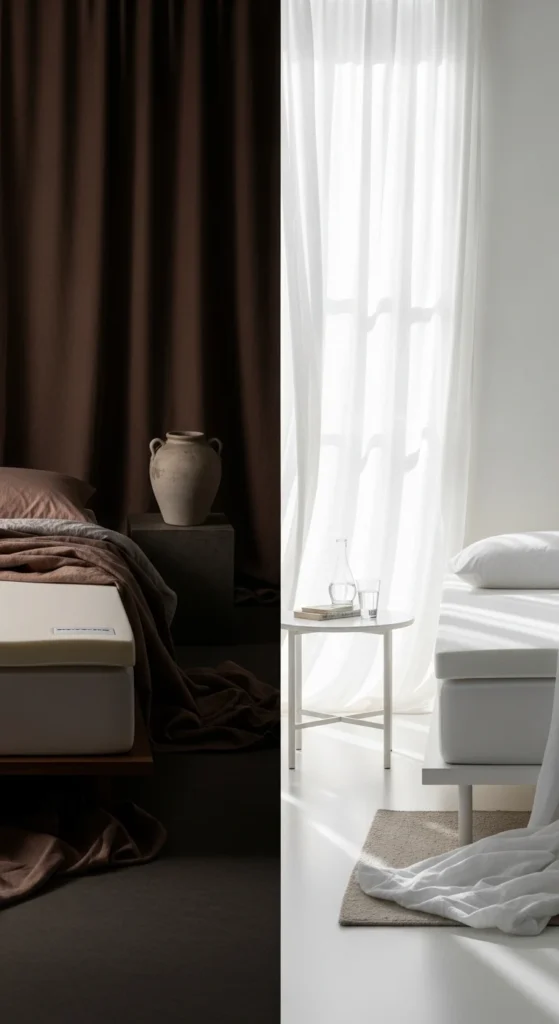
So, let’s be real. Comfort is subjective, but I can give you a clear picture of how these two differ.
- Memory Foam: Think of it as a firm hug that follows your curves. You sink in, but not too much. It’s supportive and can help with aches, especially if you’re a side sleeper.
- Pillow Top: More like gently sinking into a soft cloud. Less contouring, more cushiness. Great if you love that plush, luxury feel but don’t need extra support.
Ever wondered why some people sleep hot on memory foam? It’s because the foam traps body heat. Pillow tops, especially with breathable filling, can feel cooler and airier.
Explore Comfortable Mattress Toppers Available On Amazon
Motion Isolation: Sleep Peacefully or Toss and Turn?

If you share a bed, motion transfer can be a dealbreaker.
- Memory Foam: Excellent at absorbing movement. When my partner rolls over, I barely notice it. It’s like magic.
- Pillow Top: Moderate. You might feel the shifts a bit more, especially if the topper is soft and fluffy. Not terrible, but not memory foam level.
If you value uninterrupted sleep, memory foam wins hands down here.
Durability and Maintenance
Let’s talk long-term. Nobody wants a topper that flattens in six months.
Memory Foam
- Generally more durable and retains shape over years.
- Can sag if low-quality or very thin.
- Usually comes with a removable, washable cover.
Pillow Top
- Can compress over time, especially down or fiberfill options.
- Often requires fluffing to maintain loft.
- Easier to spot-clean, lighter to handle.
So if you’re lazy like me and hate fluffing things, memory foam is the low-maintenance hero.
Price Considerations: What’s Worth Your Money?
Here’s where things get practical. Both toppers range in price, but memory foam usually costs a bit more upfront, while pillow tops can feel luxurious without breaking the bank.
- Memory Foam: $50 to $300+ depending on thickness, density, and brand.
- Pillow Top: $40 to $200+, depending on materials like down-alternative or wool.
Keep in mind, cheaper memory foam often loses support, while pillow tops can compress quickly if they’re not quality materials. So sometimes spending a bit more saves you hassle later.
Thickness and Firmness: Finding Your Sweet Spot
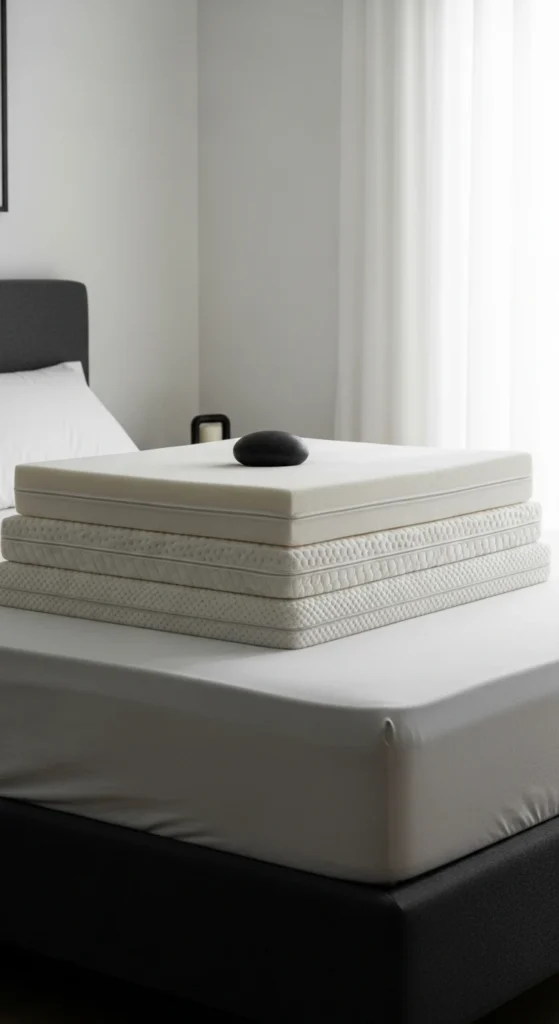
Thickness and firmness are more than marketing fluff, they determine sleep quality.
Memory Foam Toppers
- Usually 2–4 inches thick.
- Firmer feel, excellent for support.
- Works best for those with back or joint issues.
Pillow Top Toppers
- Often 1–3 inches thick.
- Soft and plush, not much support, but perfect for adding luxury feel.
- Great for side sleepers who want cushioning for hips and shoulders.
Think of it like this: memory foam is a functional hug, pillow top is an indulgent cloud. Both comfy, just in different ways.
Shop Different Mattress Topper Thickness Options On Amazon
Temperature Regulation: Hot or Chill?
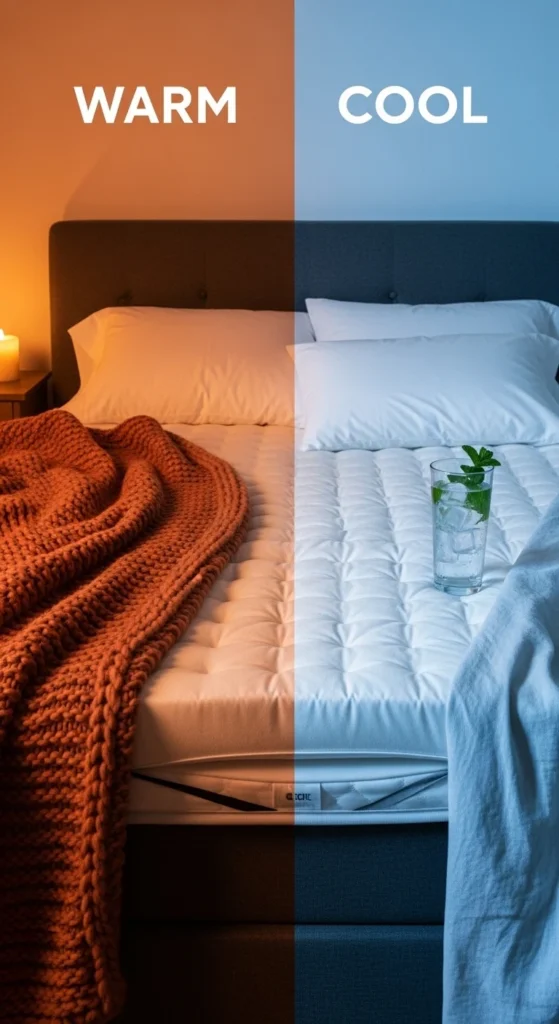
Nobody wants a topper that feels like a sauna at night.
- Memory Foam: Can retain heat, especially older models. Gel-infused memory foam is better but still warmer than pillow tops.
- Pillow Top: Breathable fabrics and lighter fillings generally keep you cooler. Perfect if you’re prone to overheating.
If you’re a hot sleeper, pillow tops might save you a few sweat-soaked nights.
Personal Preference: Who Wins?
Honestly, it boils down to what kind of sleep experience you want.
- Pick memory foam if:
- You need extra support for aches or back pain.
- You share a bed and want minimal motion transfer.
- You like a hugging, contouring feel.
- Pick pillow top if:
- You love plush, cushy comfort.
- You sleep hot or prefer breathable materials.
- You want a low-maintenance way to make a soft mattress even softer.
I personally rotate between the two depending on the season. Memory foam in winter for that cozy hug, pillow top in summer for cloud-like coolness. It’s like having your cake and sleeping on it too.
Final Thoughts: Which One Should You Get?

Here’s the bottom line. Both memory foam and pillow top mattress toppers offer fantastic benefits, but in very different ways.
Memory foam is functional, supportive, and long-lasting. Pillow tops are indulgent, soft, and cooler to sleep on.
Ever wondered why hotel beds feel so dreamy? Pillow tops are often the secret. But if you struggle with aches or want motion isolation, memory foam might be your new best friend.
My advice? Think about your sleeping style, your comfort priorities, and whether you’re more team hug or team cloud.
At the end of the day, your topper should make you look forward to bedtime, not dread it. So go ahead, try one (or both), and treat yourself to a sleep upgrade that your future self will thank you for.
Find The Best Memory Foam And Pillow Top Mattress Toppers On Amazon
What Are the Main Differences Between Memory Foam and Pillow Top Toppers?
Memory foam toppers provide contouring support. They mold to your body’s curves to relieve pressure points. Pillow top toppers are soft and plush, offering a luxurious cushioning experience without much contouring.
If you need extra support for back or joint pain, memory foam is best. Pillow tops are great for a soft, cloud-like feel. Your choice depends on whether you want support or plush comfort.
Which Mattress Topper Is Better for Side Sleepers?
Side sleepers often face hip and shoulder pressure. Memory foam is great because it contours perfectly, reducing pressure points and keeping your spine aligned.
Pillow tops are softer and cushioned, but they may lack the same targeted support.
If you enjoy the sensation of floating on a soft mattress, a pillow top can still work. However, memory foam usually provides a better mix of support and comfort for side sleepers over time.
Do Memory Foam Toppers Sleep Hot?
Traditional memory foam can trap heat. This makes it hard for warm sleepers to stay comfortable at night. Many modern options use gel-infused memory foam or ventilated designs to help regulate temperature.
Pillow top toppers often have breathable materials like cotton, wool, or down-alternative. These keep them cooler. So, if you overheat, a pillow top might feel better on hot nights.
How Long Do Memory Foam and Pillow Top Toppers Last?
Memory foam toppers are usually more durable. They keep their shape and support for years if made from high-density foam.
Pillow tops can compress over time, especially those with down or fiberfill. They may need fluffing or replacement sooner.
Your choice should weigh long-term durability against plushness. Memory foam offers lasting use, while pillow tops give instant softness.
Which Mattress Topper Is Worth the Investment?
Memory foam is a smart choice if you value support, motion isolation, and durability. A good topper can turn an old mattress into a supportive sleep haven for years.
Pillow tops offer instant luxury and plush comfort. They are great if your mattress is firm and needs a softer touch. Some people even switch between the two for different seasons or preferences.