Best Bedroom Humidity Level for Better Sleep
Ever wake up feeling like your throat spent the night in the Sahara? Or does your room feel so sticky that you wonder if you slept in a greenhouse? Humidity can really mess up a good night’s sleep.
I learned this the hard way. For years, I blamed my mattress, my pillow, and even my neighbor’s late-night music. Then, I checked the humidity in my bedroom.
The air felt drier than toast. Once I fixed that, my sleep improved almost right away. So, what is the best bedroom humidity level for better sleep? Let’s dive in.
Why Bedroom Humidity Matters More Than You Think

Most people focus on mattresses, pillows, or blackout curtains. Those things matter, sure. But air quality and humidity play a huge role in sleep comfort.
When the humidity level sits in the right range, your body relaxes more easily. Your skin stays comfortable, your nose breathes easier, and your temperature regulation works properly.
When humidity drifts outside that sweet spot, things get weird fast.
Low humidity can cause:
- Dry throat and irritated nasal passages
- Static electricity in bedding
- Dry skin and itchy eyes
- More frequent nighttime wake-ups
High humidity can cause:
- Sweaty and sticky sleep
- Dust mites and mold growth
- Breathing discomfort
- Overheating during the night
Your body works hard enough during sleep. Why force it to deal with bad air conditions too?
The Best Bedroom Humidity Level for Better Sleep
Let’s cut straight to the number everyone wants.
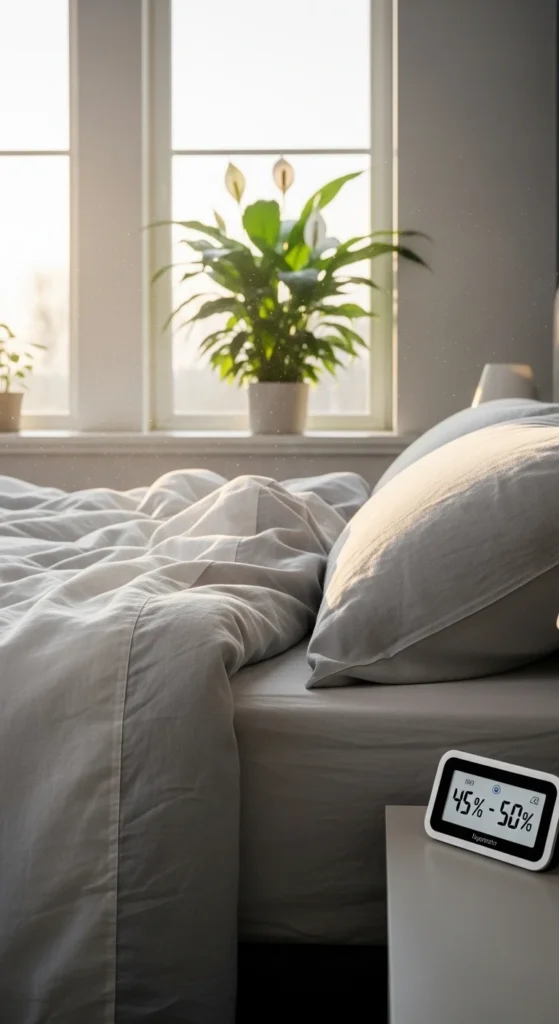
The best bedroom humidity level for better sleep sits between 40 percent and 60 percent.
Most sleep experts and environmental health specialists agree on this range because it balances comfort, health, and air quality.
Here is how that range usually feels:
- 40 to 45 percent humidity: Slightly dry but still comfortable for most people
- 45 to 55 percent humidity: Ideal range for sleep comfort
- 55 to 60 percent humidity: Still acceptable but starting to feel a little warm
Personally, I aim for about 50 percent humidity. My room feels fresh, my breathing feels easy, and I wake up without feeling like I swallowed a sandstorm.
Ever noticed how hotel rooms sometimes feel oddly comfortable? Many hotels control humidity close to that 50 percent sweet spot. Coincidence? Not really.
What Happens When Your Bedroom Air Is Too Dry
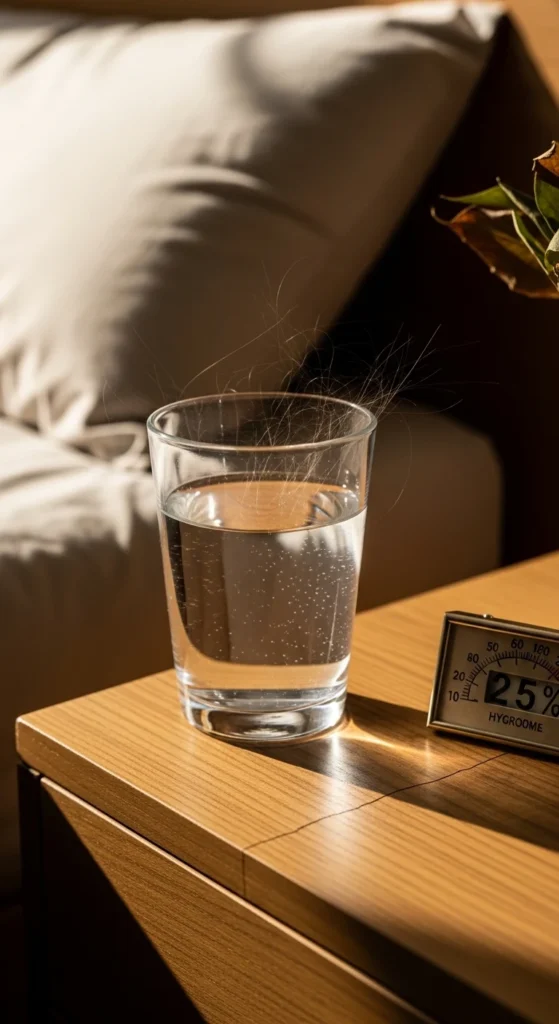
Dry air sneaks up on you. You might not notice it immediately, but your body definitely does.
Dry Air Disrupts Your Breathing
Low humidity dries out your nasal passages and throat. That irritation can lead to snoring or coughing during the night.
Ever wake up thirsty even though you drank water before bed? Dry bedroom air often causes that problem.
Your Skin Suffers Too
Dry air pulls moisture from your skin while you sleep.
That can lead to:
- Itchy skin
- Chapped lips
- Dry eyes in the morning
Nobody wants to start the day feeling like a lizard shedding its skin.
Static Electricity Everywhere
Ever pull off your blanket and hear that little crackling sound? Static electricity loves dry air.
It might not ruin your sleep, but it certainly adds a weird morning surprise.
What Happens When Your Bedroom Is Too Humid
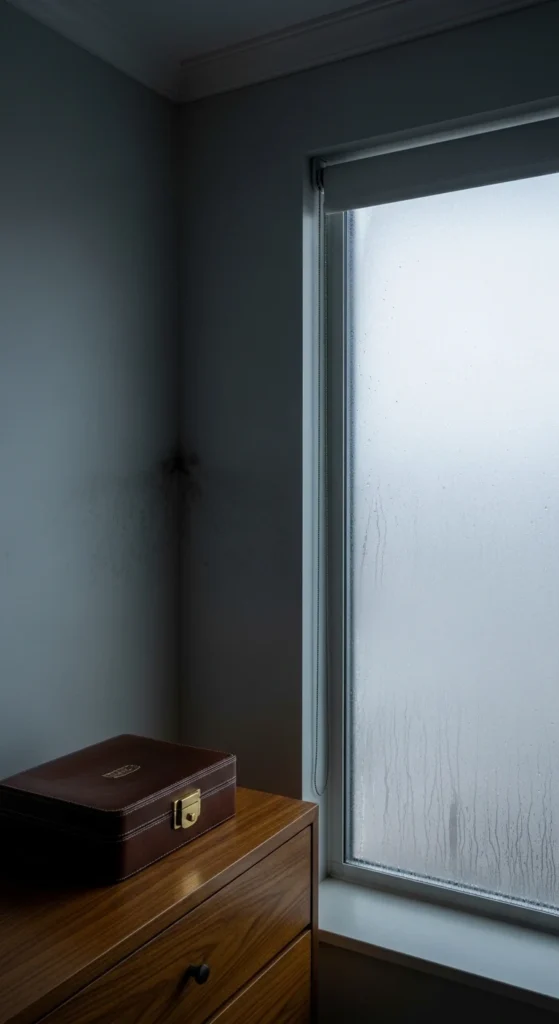
Now let’s swing to the opposite problem.
Too much humidity can make your bedroom feel like a tropical rainforest. Some people love tropical vacations, but sleeping in one every night gets old quickly.
Your Body Struggles to Cool Down
Your body naturally lowers its temperature while you sleep. High humidity slows that cooling process.
The result?
- Night sweats
- Restless sleep
- Constant tossing and turning
Not exactly the peaceful night you hoped for.
Mold and Dust Mites Thrive
High humidity creates the perfect environment for things you definitely do not want in your bedroom.
These include:
- Mold growth
- Dust mites
- Mildew smells
Dust mites especially love humidity levels above 60 percent. If you struggle with allergies, this matters a lot.
Your Bedding Feels Damp
Ever notice sheets that feel slightly damp even when they are clean? High humidity often causes that sticky feeling.
Sleep comfort drops fast when your bed starts feeling like a warm sponge.
How to Measure Your Bedroom Humidity
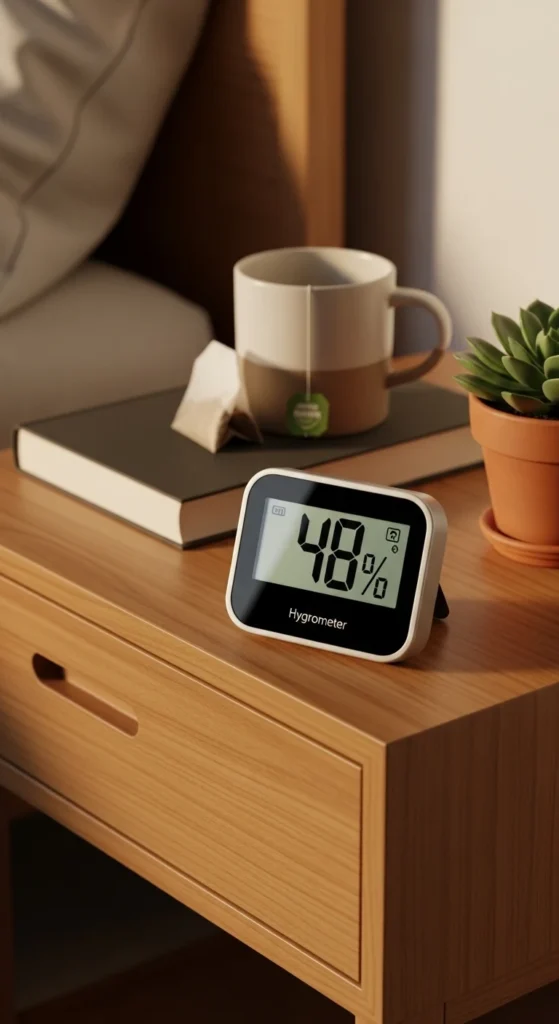
Before you fix anything, you need to know your current humidity level.
Thankfully, measuring humidity takes almost zero effort.
Use a Hygrometer
A hygrometer measures humidity levels in your room. Many digital models also show temperature.
You can find affordable ones that sit on a nightstand or mount on a wall.
When you check your reading, look for these ranges:
- Below 40 percent: Air is too dry
- 40 to 60 percent: Ideal sleep range
- Above 60 percent: Too humid
I keep one on my bedside table. It takes two seconds to check, and it saves a lot of guesswork.
Smart Thermostats Often Show Humidity
Some smart thermostats and indoor weather stations display humidity automatically.
If you already own one, congratulations. You might already have the tool you need.
How to Increase Bedroom Humidity
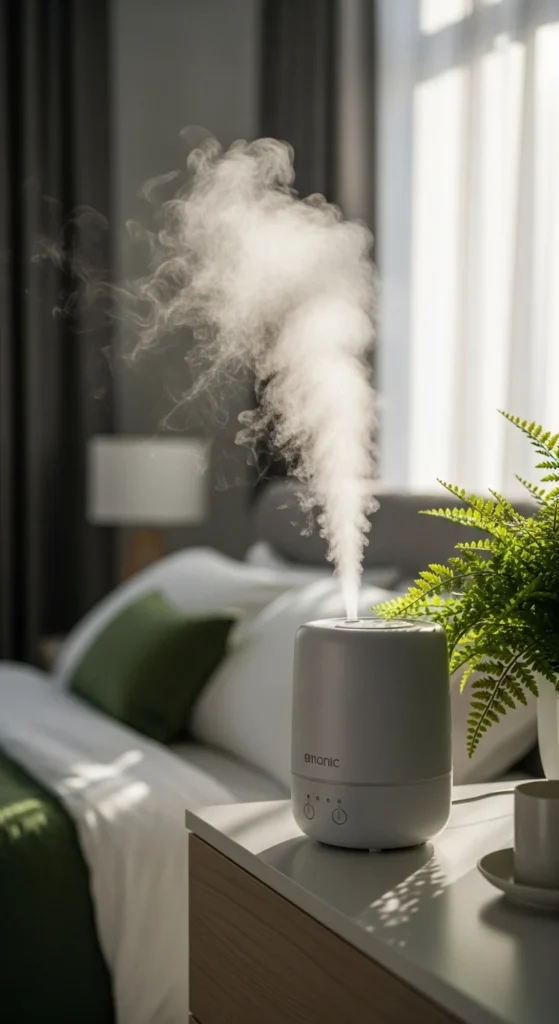
If your room feels dry, you have several easy options.
Use a Humidifier
This remains the most effective solution.
A humidifier releases moisture into the air and raises humidity levels quickly.
Look for features like:
- Adjustable humidity settings
- Quiet operation for nighttime use
- Automatic shutoff
Your bedroom should feel comfortable, not like a humming machine shop.
View Top Rated Humidifiers On Amazon
Add Indoor Plants
Plants release moisture through a process called transpiration.
A few bedroom plants can gently increase humidity while also improving air quality.
Popular options include:
- Peace lilies
- Snake plants
- Areca palms
Plus, plants make your room look nicer. Not a bad bonus.
Browse Bedroom Humidifiers On Amazon
Place Water Near Heat Sources
Here is an old-school trick.
Place a bowl of water near a radiator or heat vent. The warmth slowly evaporates the water and adds moisture to the air.
It works surprisingly well during winter.
How to Reduce Bedroom Humidity
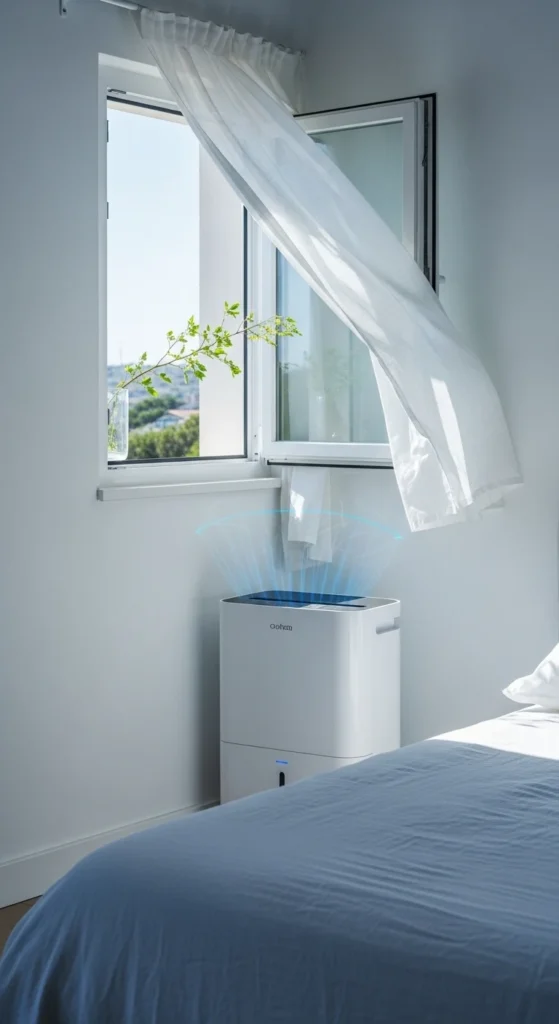
Now let’s tackle the opposite issue.
If your room feels damp or sticky, lowering humidity becomes the goal.
Use a Dehumidifier
A dehumidifier removes excess moisture from the air.
This tool works especially well in humid climates or poorly ventilated rooms.
Many modern models include automatic humidity settings that maintain your ideal level.
See Best Dehumidifiers On Amazon
Improve Air Circulation
Airflow makes a big difference.
Try these simple adjustments:
- Use a ceiling fan or standing fan
- Keep bedroom doors slightly open
- Run bathroom fans after showers
Moving air helps prevent humidity from building up.
Run Your Air Conditioner
Air conditioners naturally remove moisture from the air while cooling the room.
If your bedroom feels humid during summer, your AC already does half the work for you.
Just make sure you keep the filters clean.
Seasonal Humidity Changes You Should Expect

Humidity levels rarely stay the same all year. Seasons love to mess with your bedroom environment.
Winter Brings Dry Air
Heating systems often dry out indoor air during colder months.
Your humidity level might drop below 30 percent without you realizing it.
That explains why many people experience dry skin and sore throats in winter.
Summer Increases Humidity
Warm air holds more moisture, which means humidity often rises in summer.
If you live in a humid climate, your bedroom might easily exceed 60 percent humidity.
That sticky feeling at night suddenly makes sense, right?
Adjusting humidity seasonally keeps your sleep environment comfortable year round.
Simple Tips to Maintain the Ideal Humidity Level
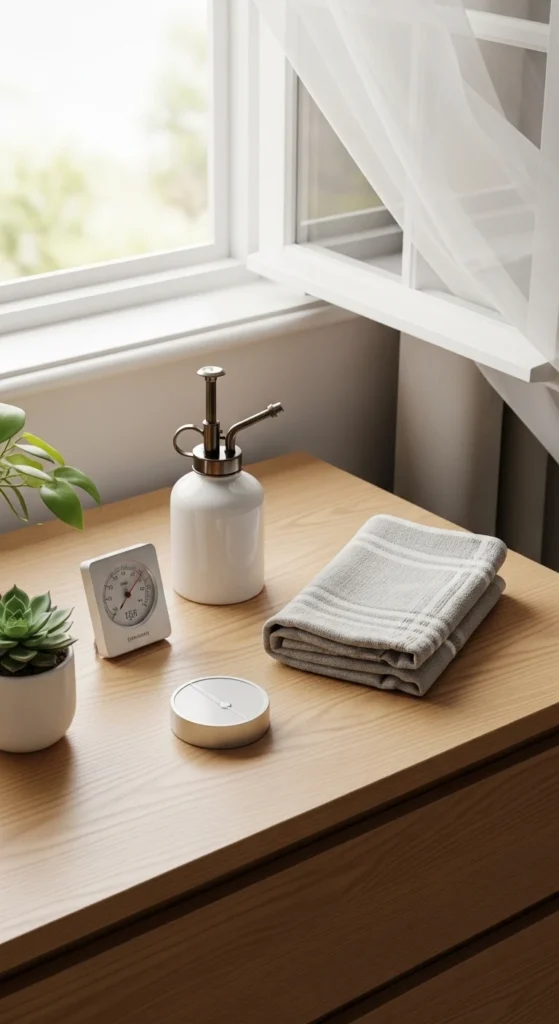
Once you find the sweet spot, keeping it there becomes easier than you think.
Here are a few habits that help:
- Check humidity levels weekly using a hygrometer
- Clean humidifiers and dehumidifiers regularly
- Use breathable bedding materials like cotton or linen
- Keep bedroom airflow steady with fans or ventilation
Small adjustments can maintain that comfortable range without much effort.
And honestly, once you sleep in a properly balanced room, you will notice the difference immediately.
Shop Breathable Bedding On Amazon
Final Thoughts
Finding the best bedroom humidity level for better sleep might sound like a small detail, but it can transform your nights.
Aim for 40 to 60 percent humidity, with around 50 percent as the sweet spot for most people.
When humidity sits in that range, your breathing feels easier, your skin stays comfortable, and your body cools down naturally during sleep.
Your bed feels better, your air feels fresher, and you wake up feeling more rested.
So grab a hygrometer and check your bedroom tonight. Who knows? The reason you toss and turn might not be your mattress at all. It might just be the air quietly misbehaving while you sleep.
What Is the Ideal Humidity Level for Sleeping?
The best humidity level for sleeping is between 40 percent and 60 percent. Sleep experts suggest keeping your bedroom around 45 to 50 percent humidity for comfort and easier breathing.
At this level, the air feels just right. It stops your nose and throat from drying out. It also prevents the sticky feeling from too much humidity.
Your body can cool down better, helping you fall asleep faster and stay asleep longer.
Maintaining this humidity range also cuts down on dust mites and mold. This means fewer allergens in your bedroom while you sleep.
Can Low Humidity Affect Sleep Quality?
Yes, low humidity can hurt sleep quality. When the air is too dry, it irritates your nasal passages and throat, making breathing uncomfortable at night.
Many people wake up with dry skin, sore throats, or chapped lips when humidity falls below 40 percent. Dry air can also increase snoring because irritated airways are more sensitive during sleep.
Using a humidifier or adding moisture to the room can help restore balance. Once the air feels better, many notice fewer nighttime interruptions.
Is High Humidity Bad for Sleeping?
High humidity can make sleeping much more difficult. When humidity rises above 60 percent, the air begins to feel heavy and sticky.
Your body naturally cools down during sleep, but high humidity slows that process. As a result, you may experience night sweats, restlessness, and difficulty falling asleep.
High humidity also encourages mold and dust mites. These allergens can trigger breathing issues and allergies, which further disrupt sleep quality.
How Can I Measure the Humidity in My Bedroom?
The easiest way to measure bedroom humidity is with a digital hygrometer. This small device shows moisture levels in the air and displays the humidity percentage.
Most hygrometers also show temperature, helping you monitor your sleep environment. Many affordable models fit on a nightstand or mount on a wall.
Some smart thermostats and indoor weather stations include humidity readings, too. Checking humidity regularly helps you adjust your room conditions before they affect your sleep.
How Do I Maintain the Best Bedroom Humidity Level?
Keeping the right humidity level is easy with a few adjustments. If your bedroom feels dry, a humidifier adds moisture fast and keeps levels ideal.
If it’s too humid, use a dehumidifier or air conditioner to remove excess moisture. You can also improve airflow with fans or ventilation to help balance humidity.
Check humidity regularly with a hygrometer. This helps maintain the 40 to 60 percent range, promoting better sleep and healthier indoor air.