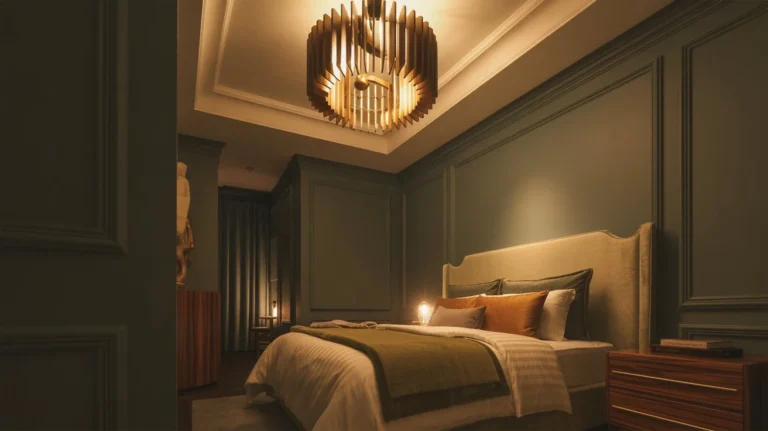
Stunning Wall Molding Ideas for Your Bedroom
Your bedroom walls have a lot of potential. Many people just paint them and move on.
If you’ve ever walked into a beautifully decorated room and thought, “How did they make it look so expensive without spending a fortune?” wall molding is often the secret.
It’s a design trick that decorators have used for years. Once you see what it can do for a plain wall, you’ll never look at bare walls the same way again.
Wall molding isn’t just for old mansions or fancy hotels. Today, homeowners use it in creative ways to add texture, depth, and personality to their bedrooms.
Whether you want a cozy, rustic vibe or a sleek, modern look, there’s a molding style for you. Let’s explore some stunning wall molding ideas that can transform your bedroom.
Classic Picture Frame Molding
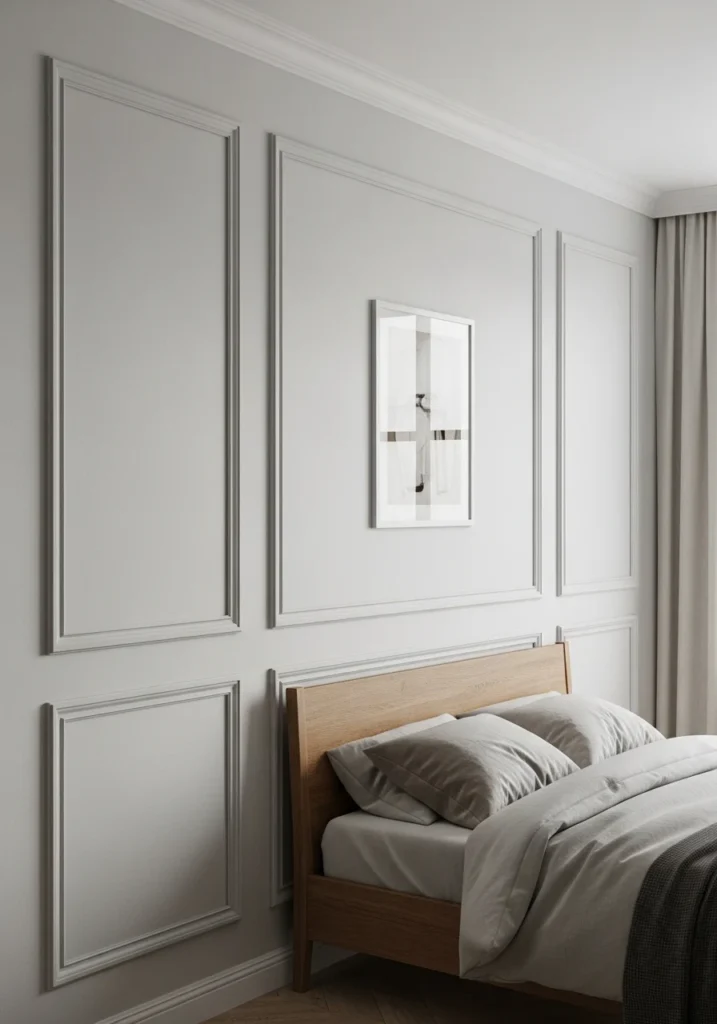
If you want to start somewhere safe but still jaw-droppingly beautiful, picture frame molding is your best friend.
This style involves installing rectangular or square frames directly onto your wall, creating a paneled effect that looks like it belongs in a five-star hotel.
Why It Works So Well
The beauty of picture frame molding is its versatility.
You can paint the frames the same color as your wall for a subtle, tone-on-tone look, or go bold with contrasting colors to make each panel pop. Either way, the result feels intentional and polished.
Here is what makes picture frame molding so popular:
- It adds depth without taking up any physical space.
- It works in any room size, from compact apartments to large master bedrooms.
- It pairs beautifully with wallpaper, paint, or even fabric panels inside the frames.
- It is beginner-friendly, since the installation is straightforward with basic woodworking tools.
Consider positioning the frames symmetrically around your bed for a balanced, calming effect.
Paint the wall inside the frames a slightly deeper shade than the surrounding wall, and you will have a layered look that looks anything but amateur.
Board and Batten: The Rustic Charmer
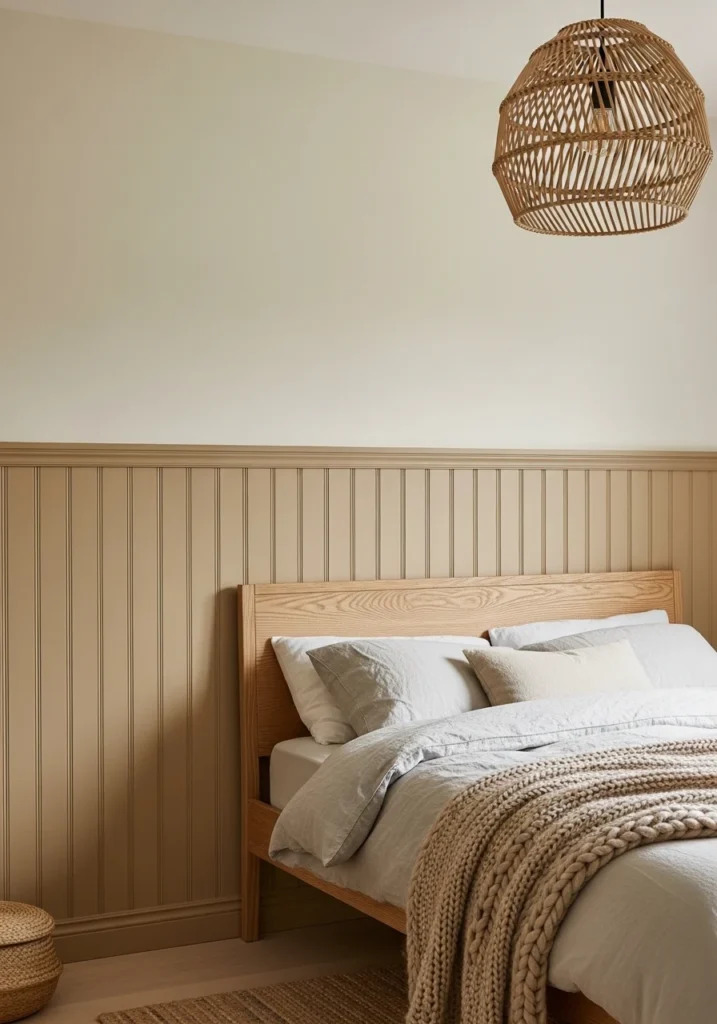
If picture frame molding is the polished city professional, board and batten is the charming countryside friend who somehow always looks effortlessly cool.
This style uses vertical strips of wood (the battens) placed over a flat board to create a structured, geometric pattern on the lower half or entire height of your bedroom wall.
Half-Wall vs. Full-Wall Board and Batten
Both approaches work well, but they create very different feelings.
Half-wall board and batten:
- Creates a natural visual break in the room.
- Makes ceilings feel taller when the top half of the wall is painted a lighter color.
- Works great in smaller bedrooms where full-height paneling might feel heavy.
Full-wall board and batten:
- Makes a bold, dramatic statement.
- Works beautifully in large master bedrooms with high ceilings.
- Creates an almost cottage-like, cozy atmosphere when painted in warm, earthy tones.
Board and batten pairs especially well with linen bedding, natural wood furniture, and soft, warm lighting.
If your bedroom aesthetic leans toward Scandinavian minimalism or farmhouse chic, this is the molding style for you.
Shop Board and Batten Supplies on Amazon
Shiplap Walls: Not Just for Farmhouses
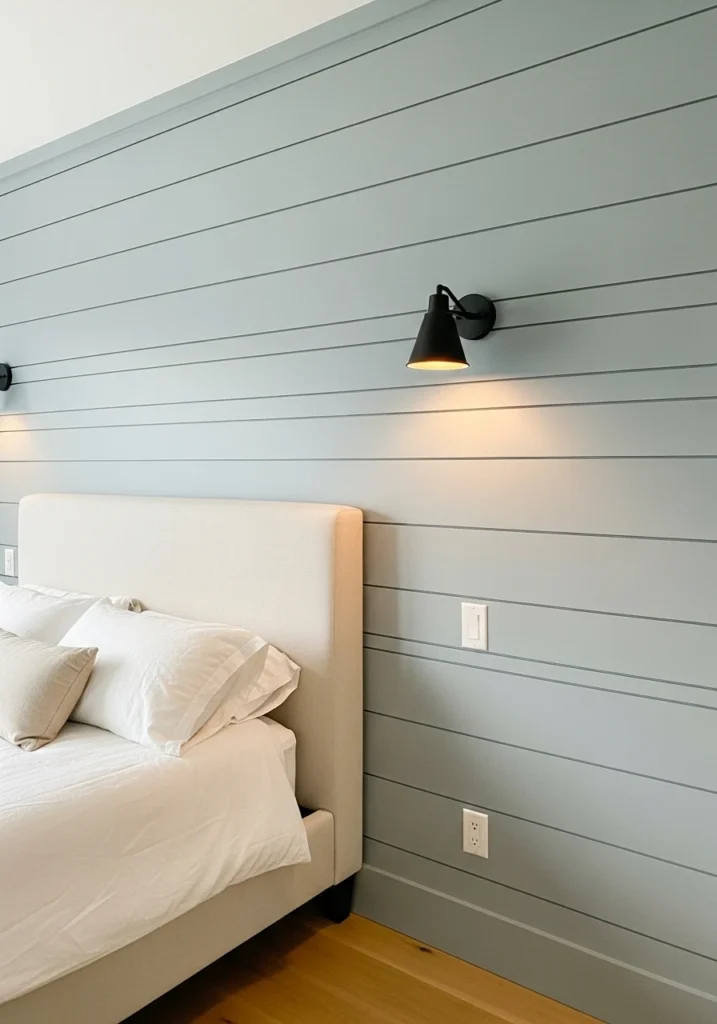
Yes, shiplap became wildly popular because of renovation TV shows, and yes, it is genuinely worth the hype.
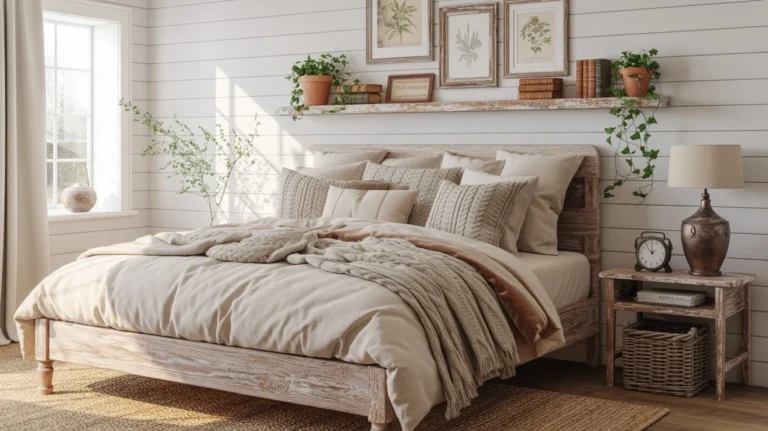
Shiplap molding consists of horizontal wooden planks with small gaps between them, creating a clean, linear texture that adds warmth and character to any bedroom wall.
Where to Use Shiplap in the Bedroom
You do not have to cover every wall in shiplap to feel the impact. In fact, using it strategically gives you better results:
- Behind the headboard: A shiplap accent wall behind your bed instantly becomes the focal point of the room.
- On a single feature wall: Choose the wall your eyes naturally land on when you walk into the room.
- As wainscoting: Run shiplap along the lower third of your walls for a grounded, structured look.
Color plays a massive role here. White shiplap feels fresh and airy. Gray shiplap feels modern and sophisticated.
Natural wood shiplap brings warmth and an organic texture that painted walls simply cannot replicate.
Wainscoting: The Timeless Classic
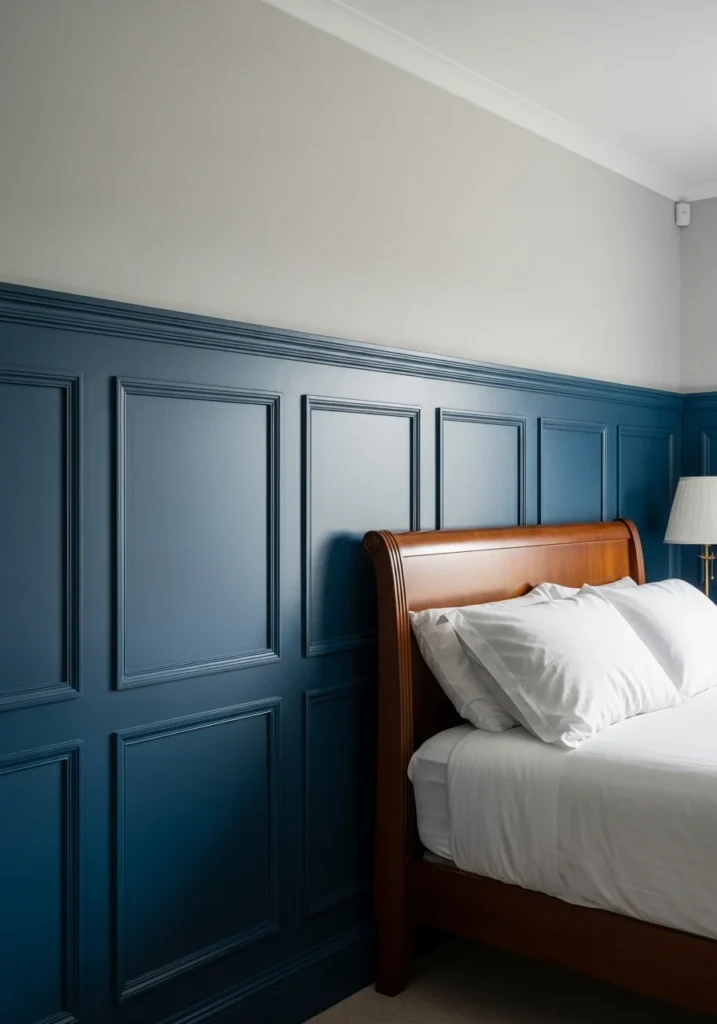
Wainscoting has been around for centuries, which should tell you something about how good it looks.
Traditional wainscoting covers the lower portion of your bedroom wall, typically from the floor to about one-third or halfway up the wall, using paneled wood or MDF.
Types of Wainscoting Worth Considering
Not all wainscoting looks the same. Here are the main styles and what sets them apart:
- Raised panel wainscoting: The most traditional style, featuring panels that protrude outward from the frame. It looks formal and elegant.
- Flat panel wainscoting: A more modern take, with recessed or flush panels. Cleaner lines, less ornamentation, works well in contemporary bedrooms.
- Beadboard wainscoting: Uses narrow vertical planks with a small ridge (bead) between each one. It feels charming and casual, perfect for coastal or cottage-style bedrooms.
Wainscoting works best when you use it to anchor a room visually.
Paint the wainscoting a slightly darker or more saturated shade than the wall above it, and you create a natural sense of groundedness in the space.
Geometric and Modern Molding Patterns
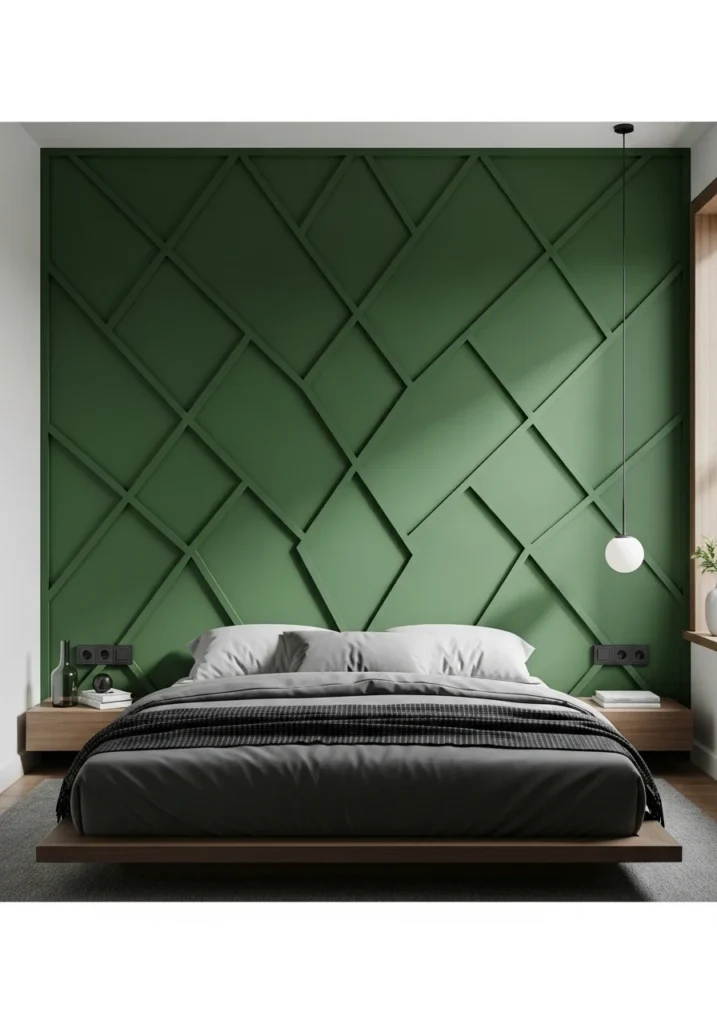
Who says molding has to be traditional? Geometric wall molding is where things get genuinely exciting, and it is perfect for the bedroom owner who wants something that feels custom and current.
Ideas to Try
Instead of standard rectangles or straight vertical lines, geometric molding uses angles, hexagons, diamonds, or asymmetric shapes to create a truly one-of-a-kind feature wall.
Some ideas that look particularly stunning in bedrooms:
- Diamond grid patterns behind the headboard, painted in a deep navy or forest green for a dramatic effect.
- Herringbone molding arranged diagonally across a single wall for a dynamic, energetic feel.
- Overlapping geometric frames that create an almost three-dimensional effect when lit from the side.
The key with geometric molding is restraint. Pick one wall, commit to one pattern, and let it breathe.
Trying to put geometric molding on every surface in a bedroom turns a showstopper into visual chaos, and nobody wants that.
Ceiling Molding: The Forgotten Feature
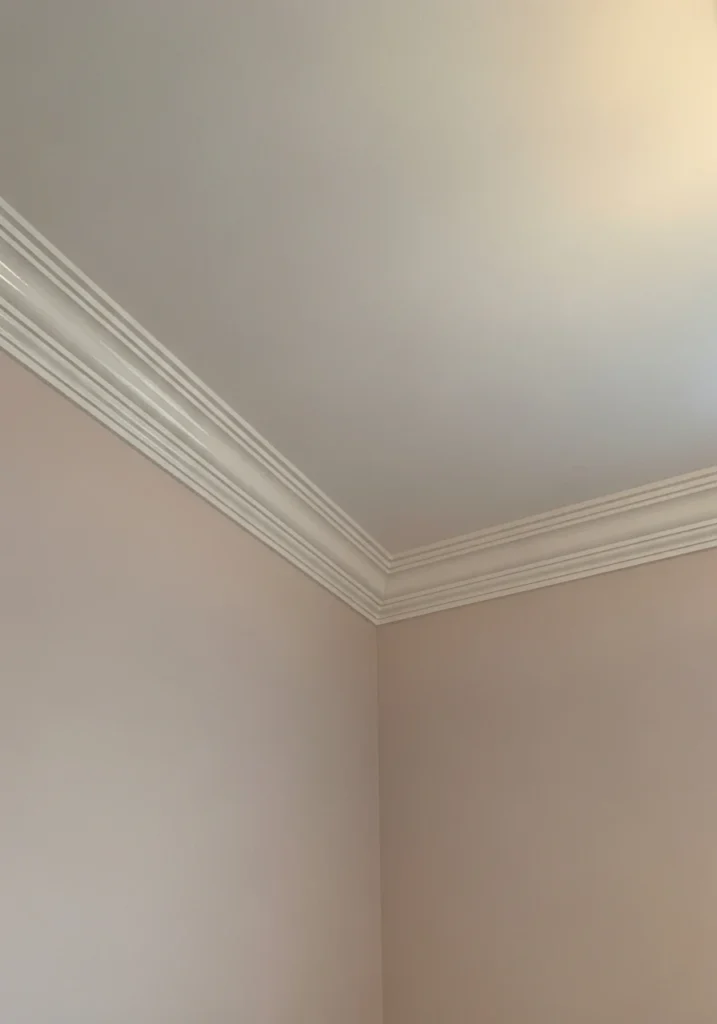
Most people spend all their time thinking about their walls and completely forget that the ceiling is also a surface.
Crown molding along the ceiling line is one of the most elegant ways to finish a bedroom, and adding coffered ceiling molding takes it to a whole new level.
Crown Molding in the Bedroom
Crown molding sits at the junction between your wall and ceiling, creating a smooth, elegant transition.
It makes a room feel more finished and polished, and it is one of those details that people notice without quite being able to say why the room looks so good.
For bedrooms, go for a medium-profile crown molding rather than the oversized, ornate versions you might see in ballrooms.
You want something that adds elegance without making the room feel like a museum.
Coffered Ceilings for the Brave
If you are feeling ambitious, coffered ceiling molding creates a grid pattern on your ceiling using beams and recessed panels.
It sounds complicated, but with lightweight polyurethane beams (not real wood), it is far more manageable than it looks.
Coffered ceilings work best in bedrooms with high ceilings, where the structure adds grandeur without feeling claustrophobic. Pair it with statement lighting, and the result is genuinely breathtaking.
Layered Molding: When One Style Is Not Enough
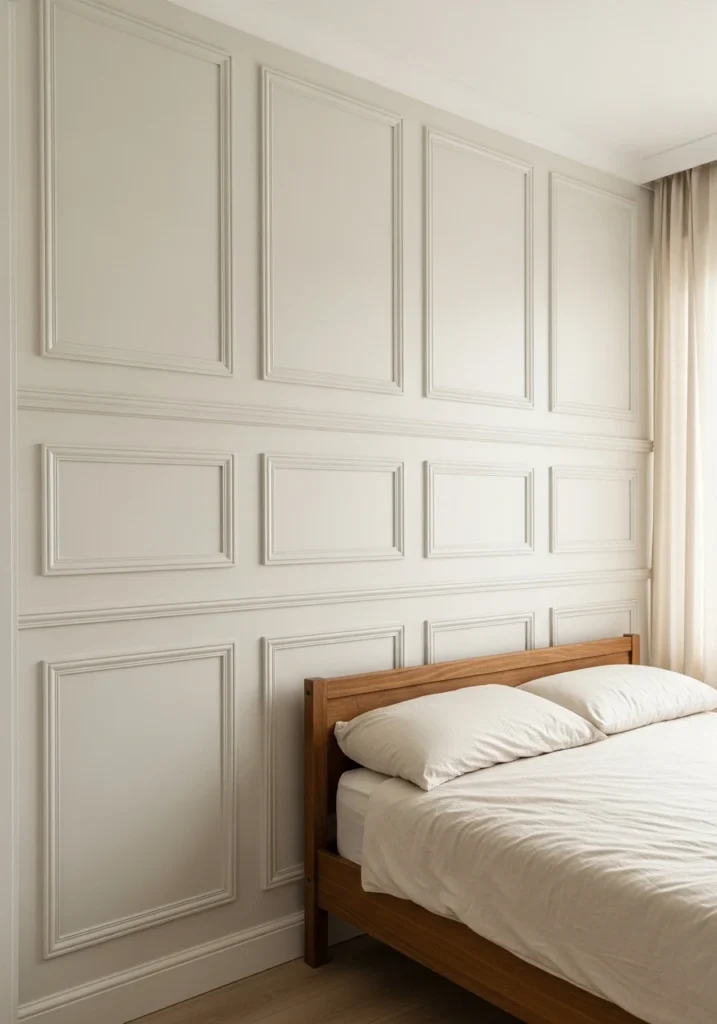
Here is where things get really fun. Layered molding involves combining two or more molding profiles together to create a custom look that you simply cannot buy off a shelf.
How to Layer Molding Successfully
The trick is to choose profiles that complement each other in scale. For example:
- Combine a large base molding at the bottom with a thinner chair rail above it for a structured, architectural look.
- Use picture frame molding inside board and batten panels for a look that has incredible depth and detail.
- Add a decorative rosette at the corners of your picture frames to give them a traditional, carved-wood appearance.
When you layer molding, paint everything the same color as your wall for a seamless, tonal effect.
This makes the texture do the talking without the molding feeling pasted on or disconnected from the space.
Choosing the Right Material for Your Bedroom Molding
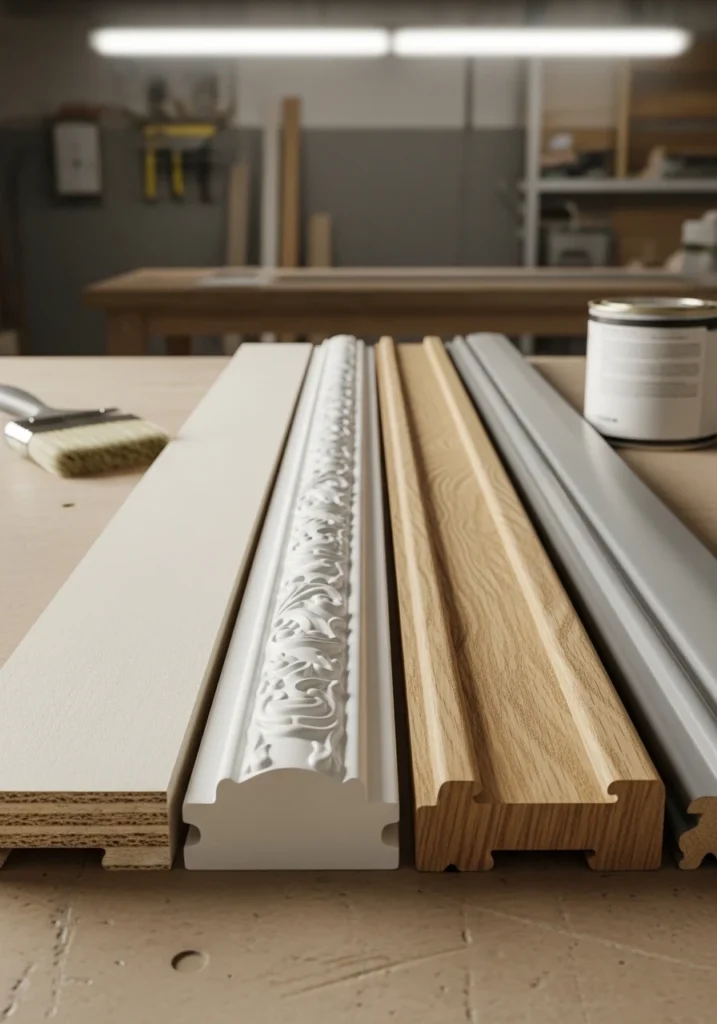
Wood looks beautiful, but it is not the only option. Choosing the right material matters for both aesthetics and practicality.
- MDF (Medium-Density Fiberboard): The most popular choice for DIY molding. It is affordable, easy to cut, accepts paint beautifully, and does not warp or crack the way solid wood can in rooms with changing humidity.
- Polyurethane: Lightweight and moisture-resistant. Great for detailed profiles that would be expensive or heavy in wood. It looks identical to wood once painted.
- Solid wood: The premium choice. Heavier, more expensive, but unmatched in quality and longevity. Best for built-in or permanent installations.
- PVC: Virtually indestructible and resistant to moisture. Ideal if your bedroom has a bathroom attached where humidity could be a factor.
For most bedrooms, MDF is the practical sweet spot between cost, ease of installation, and final appearance.
Shop Wall Molding Materials on Amazon
Color Tips to Make Your Wall Molding Shine
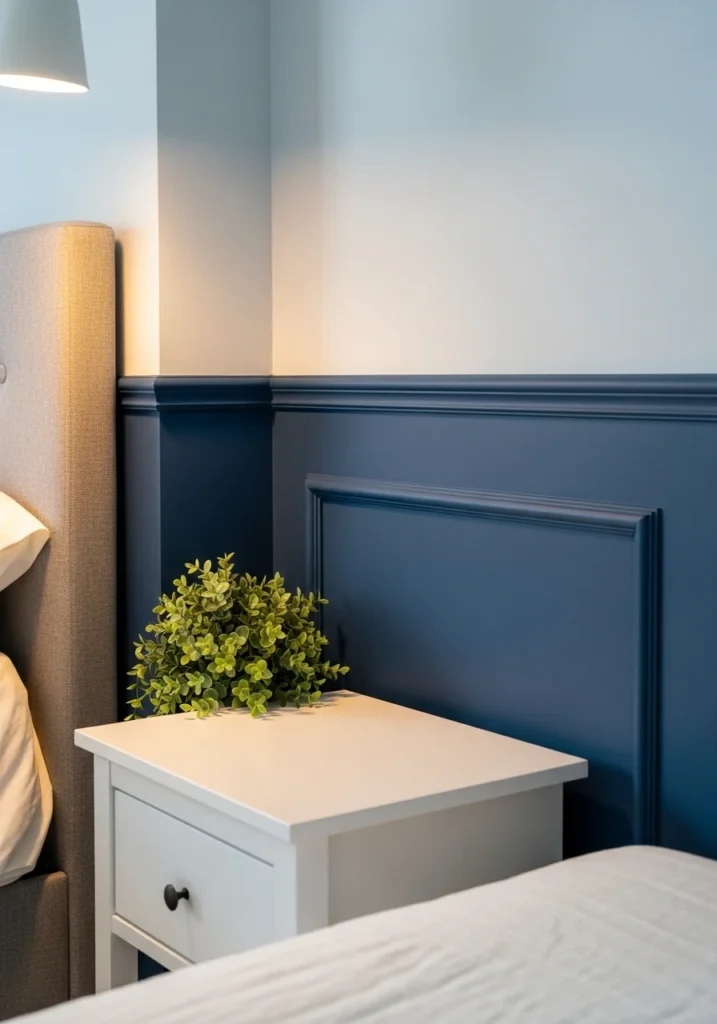
The molding style matters, but the paint colors you choose make or break the whole look.
- Tone-on-tone: Paint the molding the same color as the wall in a slightly different sheen (the wall in matte, the molding in eggshell). The result is subtle, sophisticated, and very current.
- Contrasting white: The classic look. A white molding against a dark or saturated wall color is timeless and never fails.
- Bold and unexpected: Paint your molding in a deep, rich color like charcoal, navy, or even black against a lighter wall. This makes the architectural detail feel intentional and contemporary.
- Two-tone wainscoting: A darker shade below the chair rail and a lighter shade above creates a grounded, cozy atmosphere that feels both traditional and fresh.
Whatever colors you choose, always use a primer first on raw MDF or wood molding before your topcoat.
Skipping primer is how you end up with a patchy, uneven finish that drives you crazy every time you look at it.
Shop Primer and Paint Supplies on Amazon
Final Thoughts
Wall molding turns an ordinary bedroom into a space that feels designed, intentional, and genuinely personal.
From the quiet elegance of picture frame molding to the bold geometry of custom-shaped panels, there is an option for every style, every budget, and every level of DIY confidence.
Start with one wall. Pick a style that excites you. And do not be intimidated by the process, because the payoff is absolutely worth it.
Once you finish your first wall and step back to look at it, you will immediately start planning the next one. Consider yourself warned.
Your bedroom walls are waiting. Time to give them something worth looking at.
Shop Wall Molding Tools and Supplies on Amazon
What Is the Best Type of Wall Molding for a Small Bedroom?
Picture frame molding and flat panel wainscoting are ideal for small bedrooms. Both styles enhance visual interest and depth without making the space feel cramped.
Use a tone-on-tone color scheme by painting the molding the same shade as the wall but with a different sheen.
This keeps the look sophisticated and airy, not heavy or busy. Avoid oversized or ornate profiles in tight spaces. Scale is crucial when working with limited square footage.
How Much Does It Cost to Install Wall Molding in a Bedroom?
The cost varies based on the material you choose and if you hire a pro or go DIY. For a standard bedroom, MDF molding costs between $100 and $400.
This makes it a budget-friendly way to upgrade a room. Hiring a carpenter can add $200 to $800 for labor, depending on the design’s complexity.
Polyurethane molding is priced similarly to MDF but is lighter and easier to install, which helps lower costs.
Can You Install Wall Molding Without Professional Help?
Sure! More people succeed at this than you might think. Picture frame molding, board and batten, and shiplap are all easy for beginners.
You only need basic tools like a miter saw, a nail gun, a level, and wood filler. The key is getting your measurements and cuts right. Even a slight angle can show up after painting.
Many detailed tutorials are available online. Starting with one accent wall instead of a whole room lets you learn without feeling overwhelmed.
What Paint Finish Should You Use on Bedroom Wall Molding?
A semi-gloss or eggshell finish is best for the molding. The surrounding wall looks great in matte or flat paint.
The slight sheen on the molding catches light, highlighting the architectural detail, even if everything is the same color. Semi-gloss is also more durable and easier to clean than matte.
This is a practical bonus in a bedroom, where walls can get scuffed. If you want a modern, understated look, using eggshell on both the wall and molding with no sheen contrast also works well.
What Wall Molding Style Works Best With a Modern Bedroom Design?
Geometric molding patterns, flat panel wainscoting, and minimalist board and batten are top choices for modern bedrooms. Keep lines clean and profiles slim. Avoid anything too ornate or traditional.
Painting the molding the same color as the wall creates a tone-on-tone look. This keeps the style contemporary and intentional, not just decorative.
Deep wall colors like charcoal, forest green, or navy look great with white or matching molding. This combo gives a high-end result that photographs well.