How to Reset Your Circadian Rhythm Naturally
You wake up at 2 a.m., staring at the ceiling like it owes you money. Or maybe you sleep through your alarm every morning, feeling jet-lagged without leaving your time zone.
Sound familiar? Your circadian rhythm is likely off, and you’re not alone.
Your circadian rhythm is your body’s internal 24-hour clock. It controls when you feel sleepy or alert, when hormones are released, and even when digestion starts.
When it’s disrupted, everything feels off. The good news? You can reset it naturally, without pills or expensive gadgets.
What Actually Disrupts Your Circadian Rhythm?
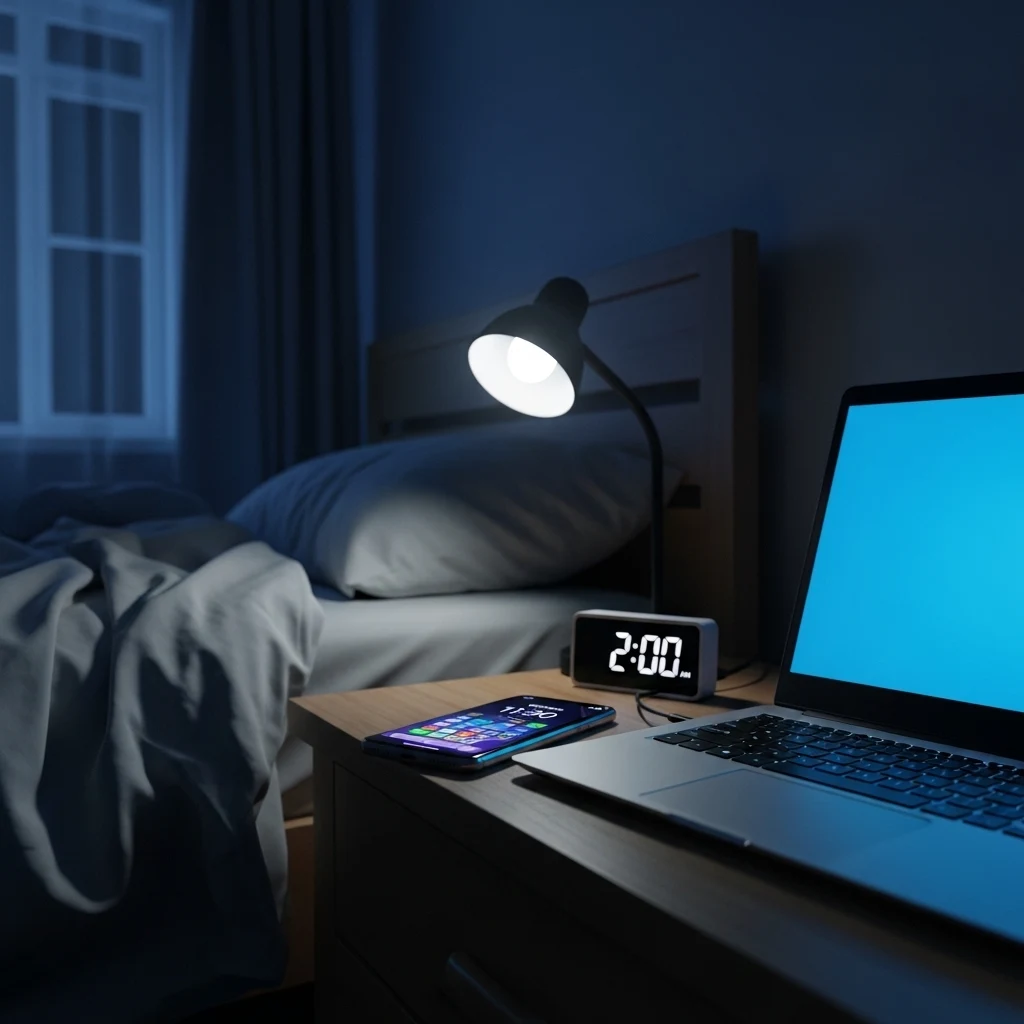
Before you fix something, it helps to know what broke it. Your internal clock does not just randomly decide to malfunction. Something triggers it.
The most common culprits include:
- Irregular sleep schedules (going to bed at 10 p.m. one night and 2 a.m. the next)
- Artificial light exposure at night, especially from phones and laptops
- Shift work or frequent travel across time zones
- Stress and high cortisol levels that keep your brain wired at bedtime
- Eating late at night, which confuses your digestive clock
- Lack of morning sunlight, which is the single most powerful cue for your body clock
Understanding your triggers is step one. Without that awareness, you are essentially trying to navigate with a broken compass.
The Single Most Powerful Reset Tool: Morning Sunlight
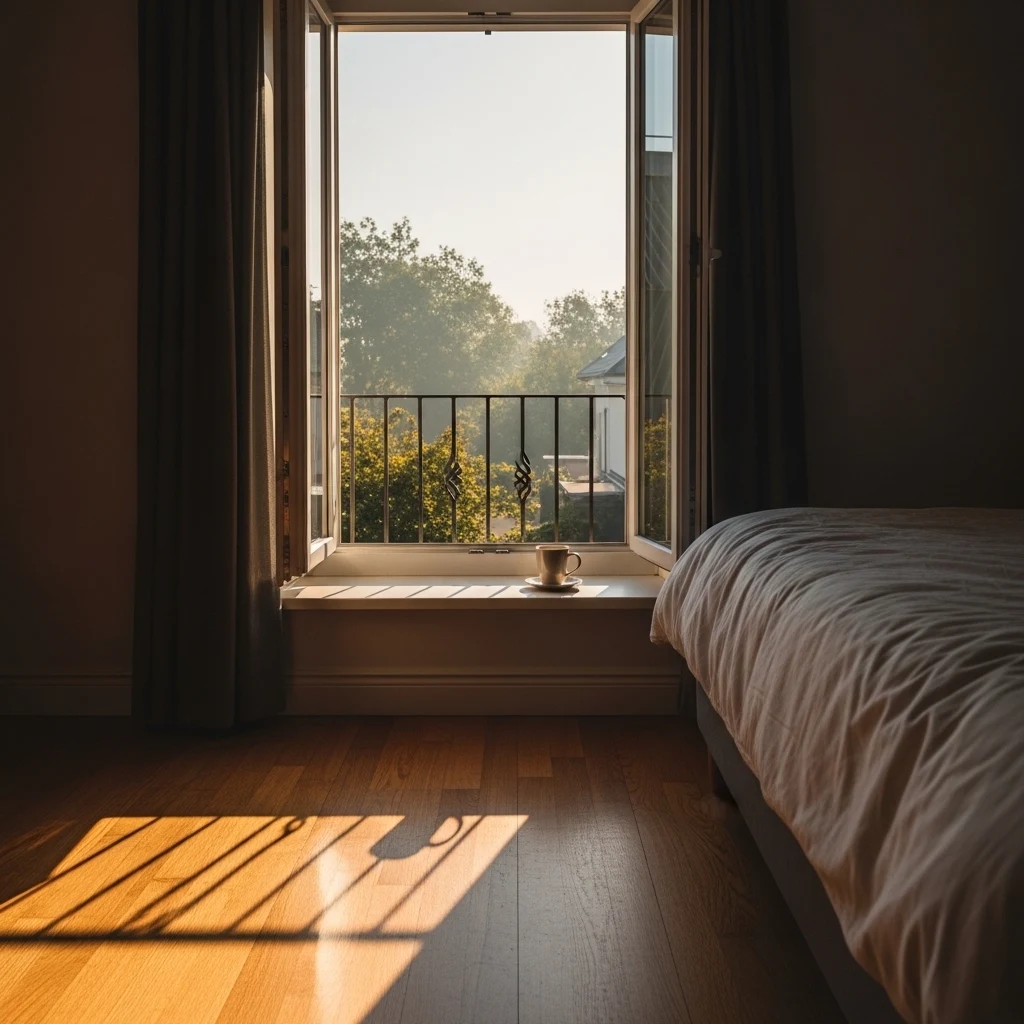
Here is something that costs absolutely nothing and most people completely ignore.
Getting outside within 30 to 60 minutes of waking up and exposing your eyes to natural light is the most effective way to anchor your circadian rhythm.
Your retinas contain specialized cells called intrinsically photosensitive retinal ganglion cells. These cells send light signals directly to your suprachiasmatic nucleus, which is the master clock in your brain.
When those cells pick up natural morning light, your brain gets the message: it is daytime, start the clock.
How to Do It Properly
You do not need to stare at the sun like some kind of aspiring solar panel. Just:
- Step outside for 10 to 30 minutes in the morning
- Do this even on cloudy days (outdoor light is still significantly brighter than indoor lighting)
- Avoid wearing sunglasses during this specific window
- Pair it with a walk, coffee on the porch, or whatever makes it feel enjoyable
Doing this consistently for just a few days can make a noticeable difference in how quickly you fall asleep at night and how easily you wake up in the morning.
Browse Light Therapy Lamps On Amazon
Fix Your Sleep Schedule (Yes, Even on Weekends)
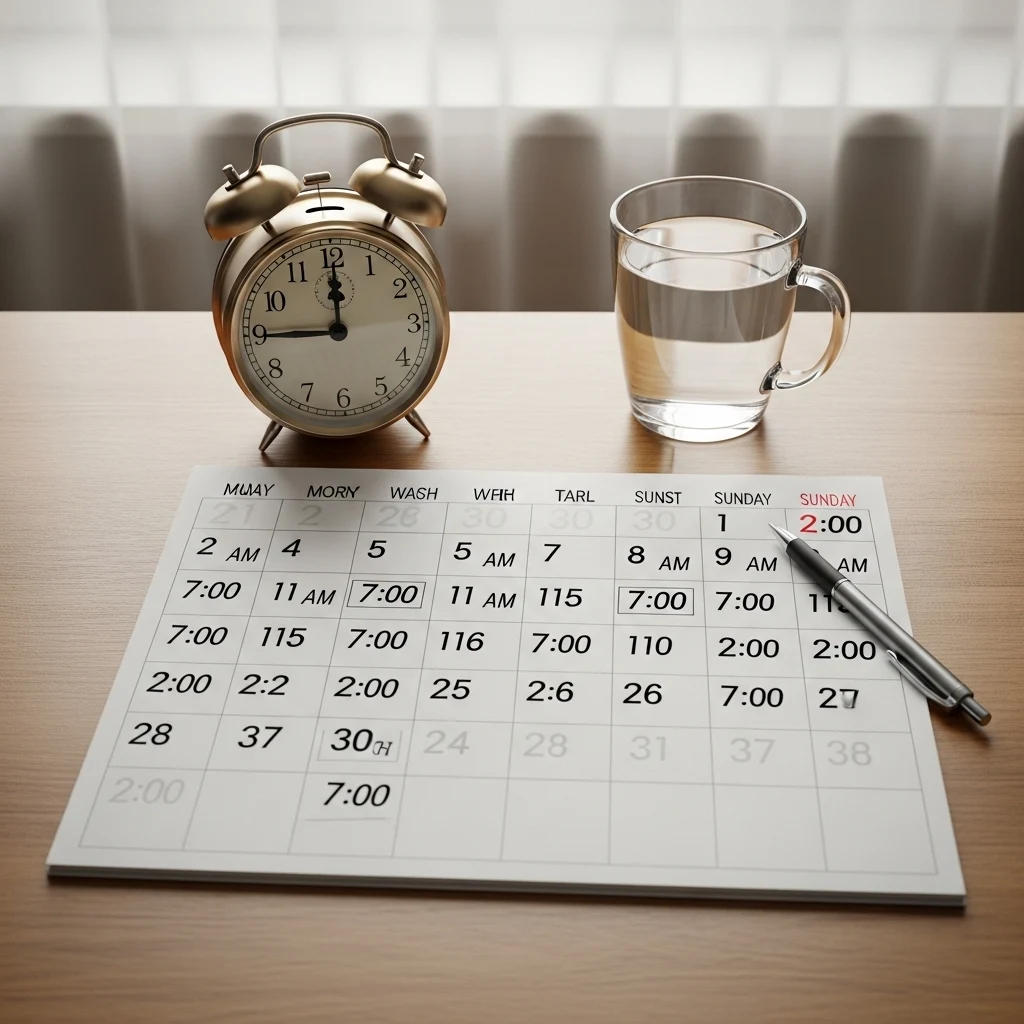
Nothing throws your circadian rhythm off more than what sleep scientists call social jet lag. That is when your weekend sleep schedule differs dramatically from your weekday schedule.
You stay up until 1 a.m. on Saturday, sleep until 10 a.m., and then wonder why Monday morning feels like a punishment.
Your body clock does not care what day of the week it is. It responds to consistency.
Set a Non-Negotiable Wake Time
Pick a wake time and stick to it every single day, including weekends. This one habit alone can do more for your sleep quality than almost anything else.
Your bedtime will naturally regulate itself once your wake time becomes consistent.
If you currently wake up at different times every day, start by choosing a realistic target wake time and gradually adjust by 15 to 30 minutes earlier every few days until you reach it.
Control Your Light Environment at Night
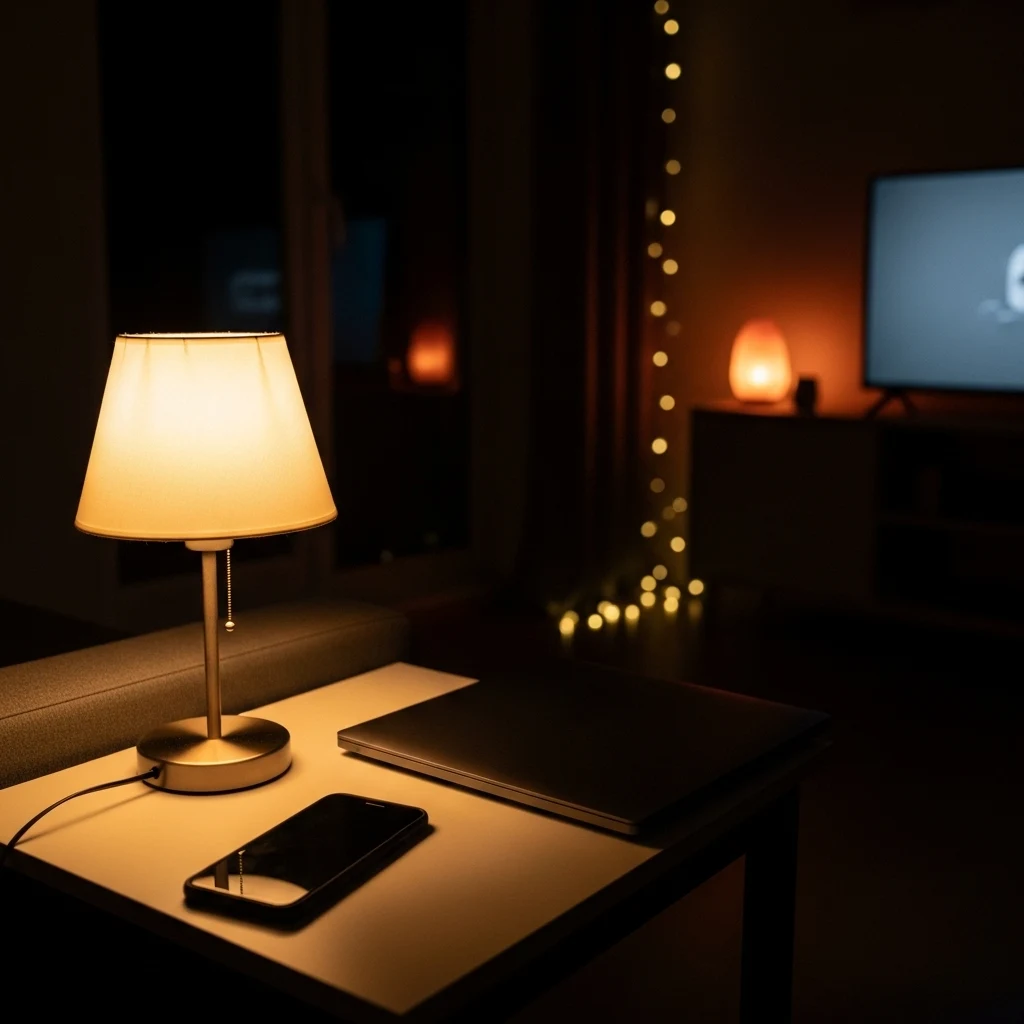
If morning light is the gas pedal for your circadian rhythm, then nighttime light is the wrench in the engine.
Artificial blue light from screens suppresses melatonin production, which is the hormone your brain releases to make you feel sleepy.
Think about it this way: your brain evolved over thousands of years to associate light with daytime and darkness with sleep.
Then along came smartphones, LED lighting, and Netflix, and suddenly your brain thinks it is noon at 11 p.m.
Practical Steps to Reduce Nighttime Light Exposure
- Dim your lights at least two hours before bed
- Use warm-toned bulbs (2700K or lower) in your bedroom and living spaces
- Enable night mode or blue light filters on your devices after sunset
- Wear blue light-blocking glasses if you need to use screens in the evening
- Try to put your phone down at least 30 to 60 minutes before you want to fall asleep
You do not have to live like a medieval peasant and blow out candles at 8 p.m. Small, consistent changes make a real difference.
Shop Blue Light Blocking Glasses And Warm-Toned Bulbs On Amazon
Watch When You Eat, Not Just What You Eat
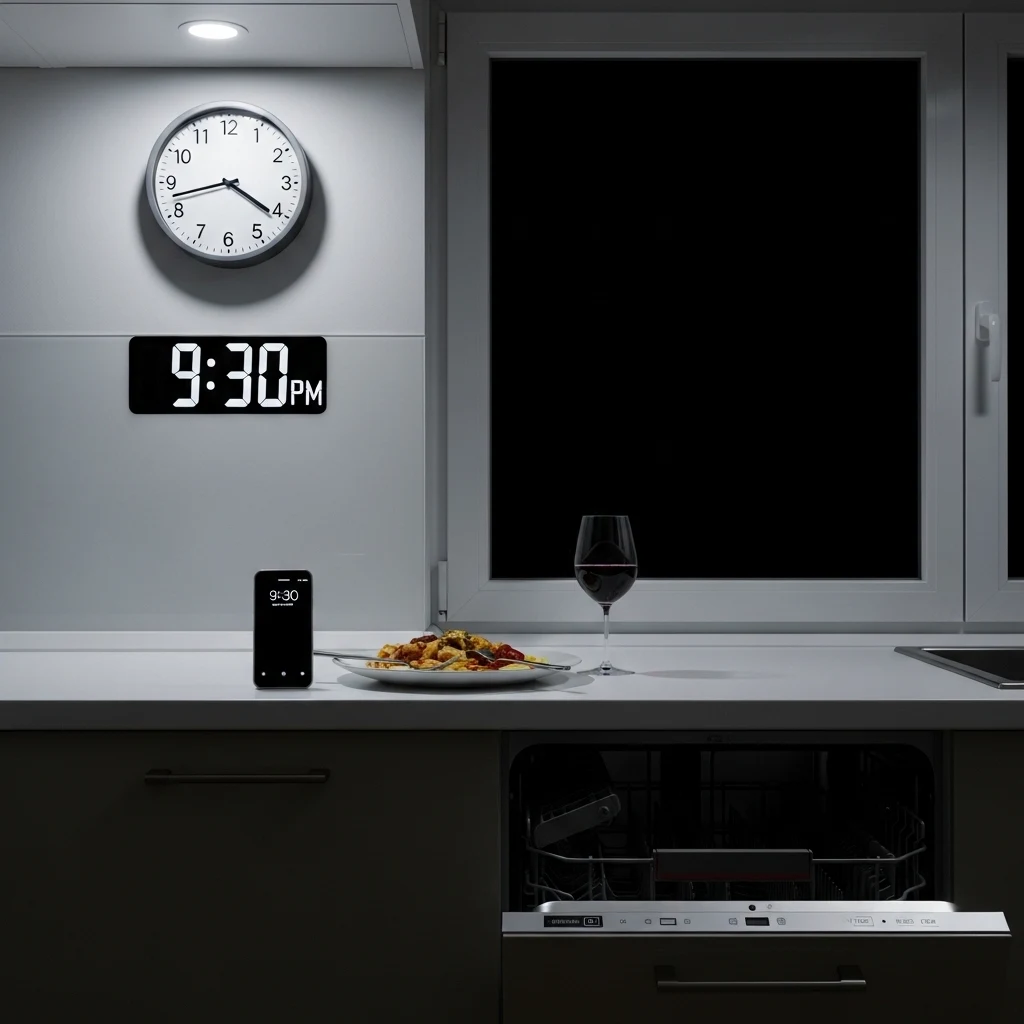
Most people think circadian rhythm is purely about sleep. But your body actually runs multiple peripheral clocks in your organs, particularly your gut, liver, and pancreas.
When you eat has a direct impact on how well these clocks stay synchronized with your master brain clock.
Eating a large meal right before bed forces your digestive system to stay active during a time it is supposed to be winding down.
This creates a mismatch between your central clock and your peripheral clocks, which researchers link to disrupted sleep, poor metabolism, and even increased risk of chronic disease.
Time-Restricted Eating for Circadian Health
You do not need to follow any extreme diet. Just try to:
- Eat your largest meals earlier in the day when your metabolism is most active
- Finish eating two to three hours before bed
- Keep your eating window consistent from day to day
- Avoid heavy snacking late at night, even if it feels harmless
This approach, sometimes called time-restricted eating, aligns your food intake with your body’s natural hormonal rhythms.
Your digestion works better, your sleep improves, and your energy levels during the day tend to stabilize.
Exercise Strategically

Physical activity is a powerful zeitgeber, which is a fancy German word that means “time giver.”
Basically, exercise helps signal to your body what time of day it is. Regular exercise helps anchor your circadian rhythm, but timing matters.
Morning and early afternoon exercise tends to support earlier sleep timing and better sleep quality overall.
Evening exercise, particularly intense workouts right before bed, can raise your core body temperature and cortisol levels, both of which delay sleep onset.
What Works Best
- Morning workouts help reinforce an early, consistent circadian rhythm
- Afternoon exercise (before 6 p.m.) is also well-supported by research
- Gentle evening movement like yoga or walking is fine and can even help with stress
- Avoid high-intensity training within two to three hours of your target bedtime
You do not have to become a 5 a.m. gym person unless you genuinely want to. Even a 20-minute walk in the morning counts and pairs perfectly with your sunlight exposure routine.
Manage Stress and Cortisol
Cortisol is your body’s primary stress hormone, and it follows a natural circadian pattern.
It should peak in the morning to help you wake up and feel alert, then gradually decline through the day so you can wind down at night.
When chronic stress disrupts this pattern, your cortisol stays elevated in the evening, and your body simply refuses to shift into sleep mode.
Managing your stress is not just good for your mental health. It is essential for your circadian rhythm.
Simple Cortisol-Lowering Strategies
- Practice a consistent wind-down routine 30 to 60 minutes before bed
- Try mindfulness or breathing exercises such as box breathing or progressive muscle relaxation
- Limit caffeine after 1 or 2 p.m., since caffeine has a half-life of about five to six hours
- Keep a journal or brain dump list to clear your mind before sleep
- Protect your evenings from work emails and stressful content when possible
Stress management is often the missing link for people who do everything else right but still cannot fall asleep at a decent hour.
Find Sleep And Relaxation Aids On Amazon
Be Patient: Resetting Takes Time
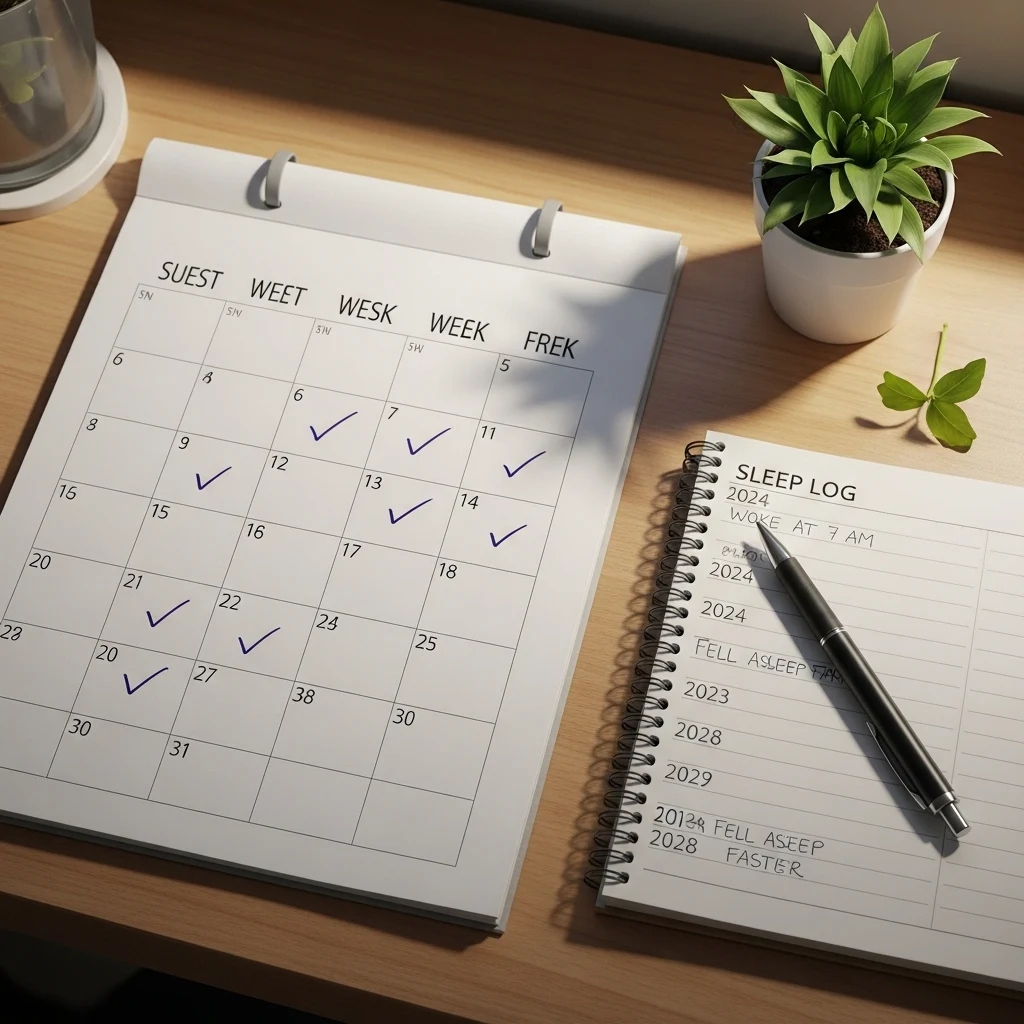
Here is the part nobody wants to hear. Your circadian rhythm did not get disrupted overnight, and it will not fully reset overnight either.
Most people start noticing real improvements within one to two weeks of consistent changes, but getting to a fully stable rhythm can take three to four weeks.
The temptation is to try everything aggressively for three days, see partial results, and then give up. Resist that urge. Your body clock responds to consistency over time, not intensity over a short burst.
Track your sleep and energy levels in a simple journal or app so you can actually see the progress. Often the improvements are gradual enough that you miss them in the moment but obvious in hindsight.
Conclusion
Resetting your circadian rhythm naturally is not about hacking your biology or following some elaborate protocol.
It comes down to a handful of consistent, well-timed habits: morning sunlight, a fixed wake time, reduced nighttime light, earlier eating, strategic exercise, and better stress management.
None of these things are groundbreaking on their own. But stack them together consistently, and they create a powerful foundation that your body clock can actually work with.
Give your body the right signals at the right times, and it will do the rest.
Start tomorrow morning. Step outside, get some light on your face, and let your brain know what time it is.
That is genuinely one of the best things you can do for your sleep, your energy, and your overall health. Your ceiling will thank you for the quiet nights ahead.
How Long Does It Take to Reset Your Circadian Rhythm Naturally?
Most people notice better sleep and more energy in one to two weeks. However, fully resetting your circadian rhythm usually takes three to four weeks.
This depends on how disrupted your rhythm was at first. The main factor is consistency. If you’re sporadic, the process slows down. Sticking to the same habits every day, even on weekends, brings the best results.
What Is the Fastest Way to Reset Your Circadian Rhythm?
The quickest way to reset your circadian rhythm is to combine morning sunlight with a set wake time. Getting outside 30 to 60 minutes after waking sends a strong signal to your brain’s master clock.
Also, reduce artificial light at night, avoid late meals, and keep your sleep and wake times the same every day. This mix is more effective than any single method alone.
Can You Reset Your Circadian Rhythm Without Medication?
Sure! Your circadian rhythm mainly reacts to cues called zeitgebers. These include light, food timing, physical activity, and social interactions. Medication is rarely needed to reset your rhythm.
Natural methods work well, like getting morning light, keeping a regular sleep schedule, and cutting down on evening screen time.
These strategies are effective and have no side effects, making them sustainable for the long term.
Does Melatonin Help Reset a Disrupted Circadian Rhythm?
Melatonin can help in certain situations, like jet lag or shift work. It’s most effective when used strategically and at low doses, usually between 0.5 mg and 1 mg.
High doses sold over the counter aren’t necessary. Melatonin isn’t a long-term solution and shouldn’t replace healthy habits that support your circadian rhythm.
Consider it a short-term boost, not a complete answer.
How Does Light Exposure Affect Your Circadian Rhythm?
Light is the strongest cue for your circadian rhythm. Specialized cells in your retinas detect natural light. They send signals to the suprachiasmatic nucleus in your brain, which acts as your master clock.
Morning light exposure triggers cortisol and lowers melatonin, making you feel awake. At night, artificial blue light mimics daylight and delays melatonin production, pushing your sleep time later.
Controlling light in your environment at both ends of the day is one of the best ways to manage your internal clock.