Best Cervical Pillow for Neck Pain Relief
If you’ve ever woken up feeling like your neck is twisted, you know the struggle.
Neck pain from a bad pillow seems minor, but it can ruin your morning, productivity, and mood. The good news? A good cervical pillow can change that.
Choosing the best cervical pillow for neck pain relief isn’t just about comfort. There’s real science behind it. Once you know what to look for, you’ll wonder how you ever slept without one.
What Even Is a Cervical Pillow?
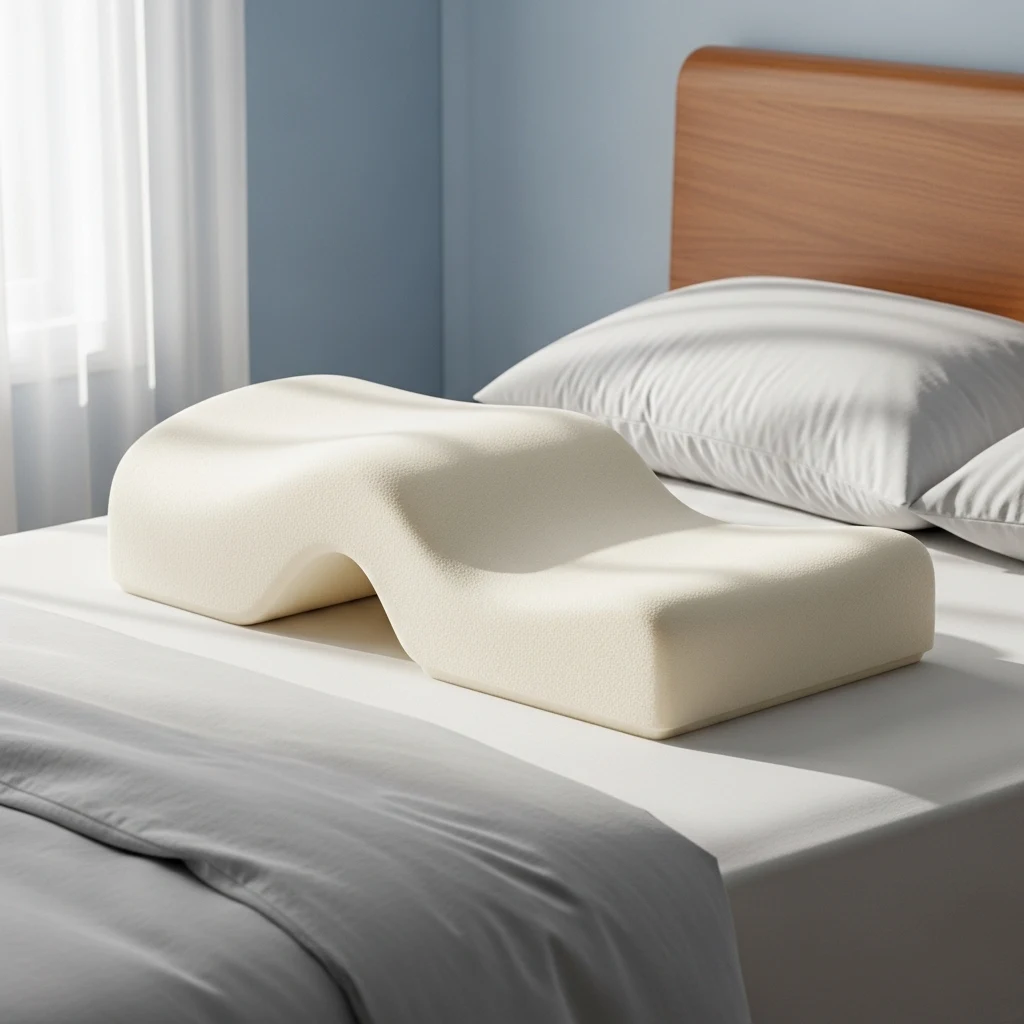
Before we get into the recommendations, let us clear something up. A cervical pillow is not just a fancy marketing term for a regular pillow with a higher price tag.
It is a pillow specifically designed to support the natural curve of your cervical spine, which is the section of your spine that runs through your neck.
Your neck has a natural C-shaped curve, and most standard pillows do absolutely nothing to support it. They either flatten that curve or push your head into an awkward angle.
A cervical pillow maintains proper spinal alignment while you sleep, which reduces muscle strain, nerve compression, and the morning stiffness you have probably accepted as just part of life.
Shop Cervical Pillows On Amazon
How Is It Different from a Regular Pillow?
A regular pillow supports your head. A cervical pillow supports your head AND your neck. The shape, firmness, and material all work together to keep your spine in a neutral position.
Some cervical pillows have a contoured wave shape, others have a center dip with raised edges, and some look like a half-cylinder. Each design serves a specific sleeping style.
Why Your Current Pillow Might Be Making Things Worse
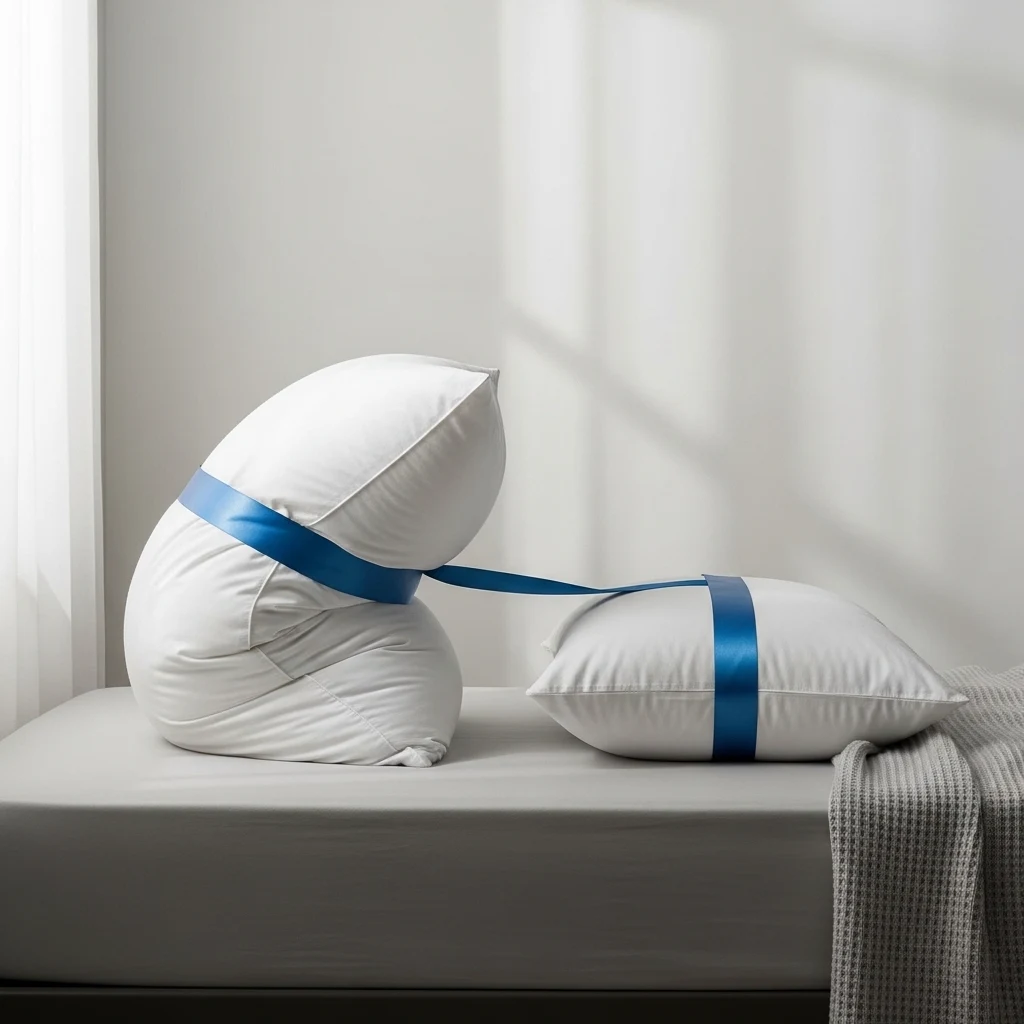
Here is a thought: what if the pillow you have been blaming for “just not being firm enough” is actually the wrong shape for your body entirely?
Most people chase comfort when pillow shopping, but comfort and proper support are not always the same thing.
A pillow that feels incredibly soft and luxurious might be letting your head sink too far down, misaligning your spine. On the other hand, a pillow that is too tall pushes your neck upward all night.
Both situations create tension in your neck muscles and can pinch the nerves that run from your cervical spine into your shoulders and arms.
Common signs your pillow is causing neck pain:
- You wake up with stiffness that takes an hour to loosen up
- You feel pain radiating into your shoulders or upper back
- You constantly flip and adjust your pillow throughout the night
- You sleep better on vacation in hotel beds (and yes, that is a real clue)
Key Features to Look for in the Best Cervical Pillow
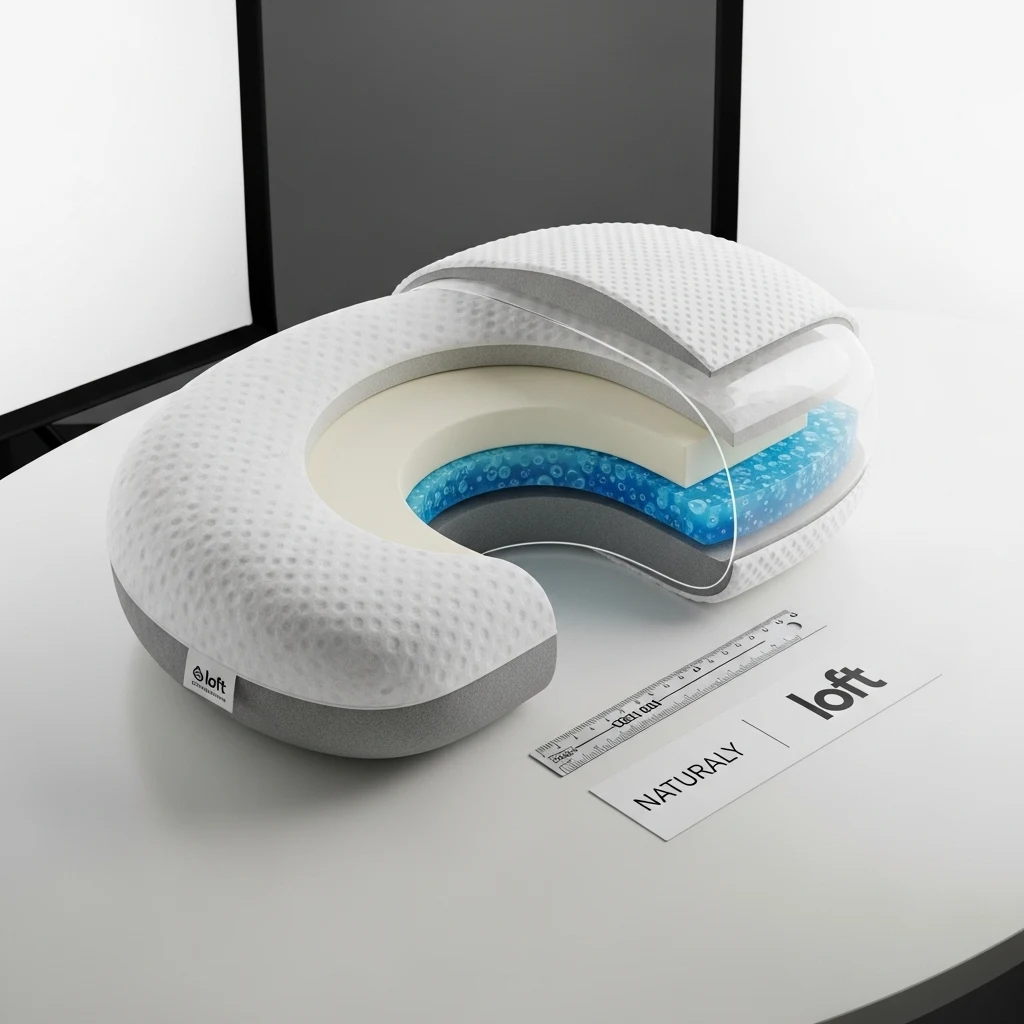
Shopping for a cervical pillow without knowing what to look for is like going grocery shopping when you are hungry.
You end up with a cart full of things that looked good in the moment but make no sense together. So let us break down what actually matters.
1. Pillow Height (Loft)
Loft refers to the height of the pillow, and it is one of the most important factors. The right loft depends on your sleeping position and your shoulder width.
- Side sleepers need a higher loft to fill the gap between their head and the mattress
- Back sleepers need a medium loft that keeps their head level with their spine
- Stomach sleepers (please reconsider your life choices) need a very low loft or no pillow at all
2. Material and Firmness
The filling inside your cervical pillow dramatically affects how well it supports your neck. Here are the most common options:
- Memory foam: Conforms to the shape of your head and neck, excellent pressure relief, and widely used in cervical pillows
- Latex foam: More responsive than memory foam, naturally hypoallergenic, and holds its shape better over time
- Water-filled: Adjustable firmness, which is great for people who are not sure what firmness level suits them
- Buckwheat: Moldable, breathable, and firm, though it does make a slight rustling sound when you move
3. Contour Design
The classic cervical pillow shape features two lobes of different heights separated by a center channel.
This design supports back sleepers in the middle and gives side sleepers the extra height they need on the edges. Look for a pillow with a contoured shape rather than a flat rectangle if you want real cervical support.
4. Breathability
Nothing kills a good night’s sleep faster than a pillow that traps heat. Memory foam, in particular, can get warm.
Look for pillows with cooling gel infusions, ventilated designs, or breathable covers made from bamboo or cotton.
Find The Right Cervical Pillow Fill For Your Needs On Amazon
The Best Cervical Pillows for Neck Pain Relief
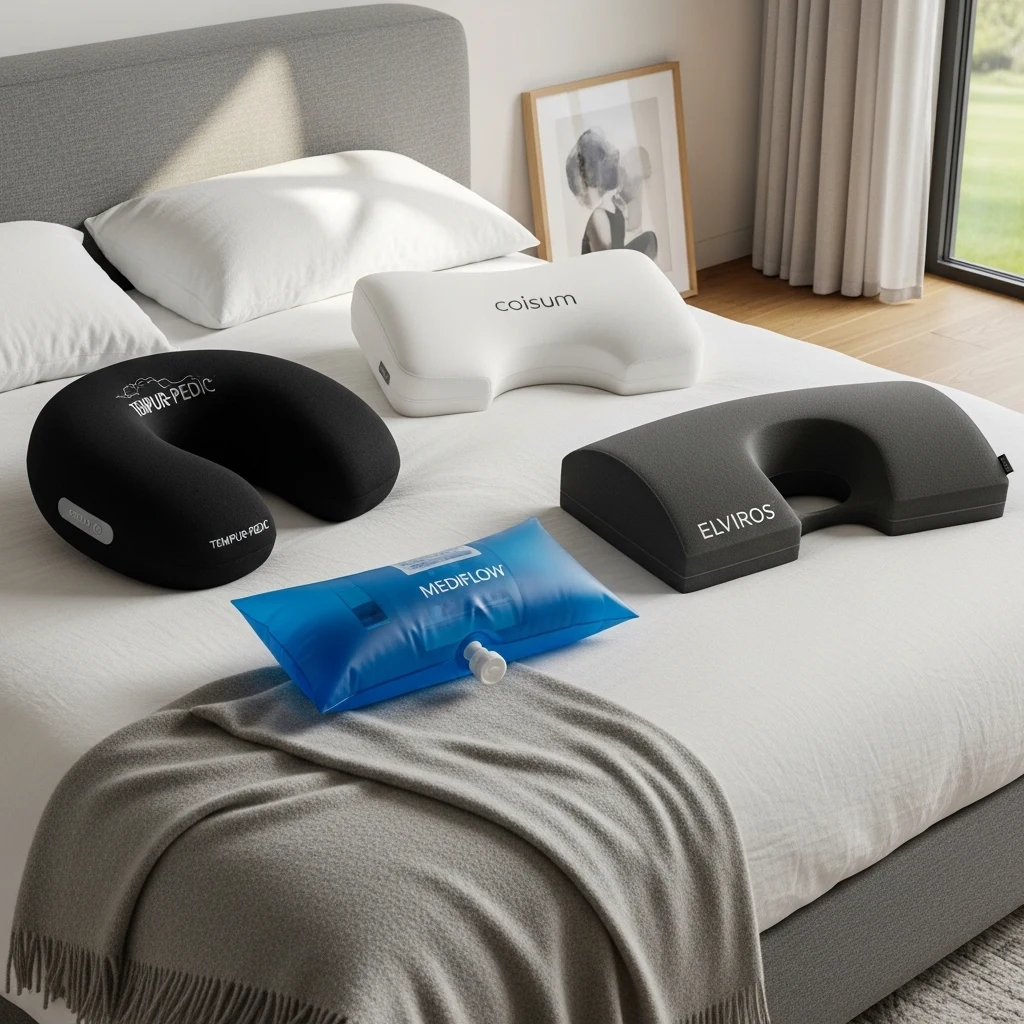
Now for the part you have been waiting for. These are the standout options across different needs and budgets, based on design quality, user feedback, and material performance.
Tempur-Pedic TEMPUR-Neck Pillow
If budget is not a concern, the Tempur-Pedic TEMPUR-Neck Pillow sits at the top of the list for good reason.
Tempur-Pedic uses its proprietary pressure-absorbing material, which is denser and more supportive than standard memory foam.
It comes in three sizes (small, medium, large) to account for different shoulder widths and sleeping positions.
This pillow does not have any give when you first touch it, which throws a lot of people off.
But once it warms up to your body temperature, it molds precisely to your neck’s curve. Back sleepers tend to absolutely love it, and it holds its shape well over years of use.
Coisum Orthopedic Cervical Pillow
For a more budget-friendly option that does not skimp on quality, the Coisum Orthopedic Cervical Pillow delivers excellent value.
It features a classic contoured design with two different height sides, making it versatile for both back and side sleepers.
The memory foam core provides solid support, and the bamboo-derived cover keeps things breathable.
It is not as premium as the Tempur-Pedic, but for someone trying cervical pillows for the first time, it is a smart starting point.
Mediflow Water Pillow
The Mediflow Water Pillow takes a completely different approach. You fill a water chamber at the base of the pillow to your preferred firmness level, then top it with a traditional fiber fill.
Clinical studies have actually shown that water-base pillows can reduce neck pain and improve sleep quality compared to standard pillows.
The adjustability is its biggest selling point. Not sure if you need a firm or medium pillow? With the Mediflow, you can experiment until you find your sweet spot without buying multiple pillows.
Elviros Cervical Memory Foam Pillow
The Elviros Cervical Memory Foam Pillow stands out for its ergonomic cut-out design that accommodates shoulder positioning for side sleepers.
This matters because most cervical pillows focus heavily on back sleeping but leave side sleepers with an awkward fit.
It also includes a second interchangeable insert that lets you adjust the height, which is a thoughtful feature that extends the pillow’s usefulness across different body types.
Browse Top-Rated Cervical Pillows On Amazon
Matching the Right Pillow to Your Sleep Position
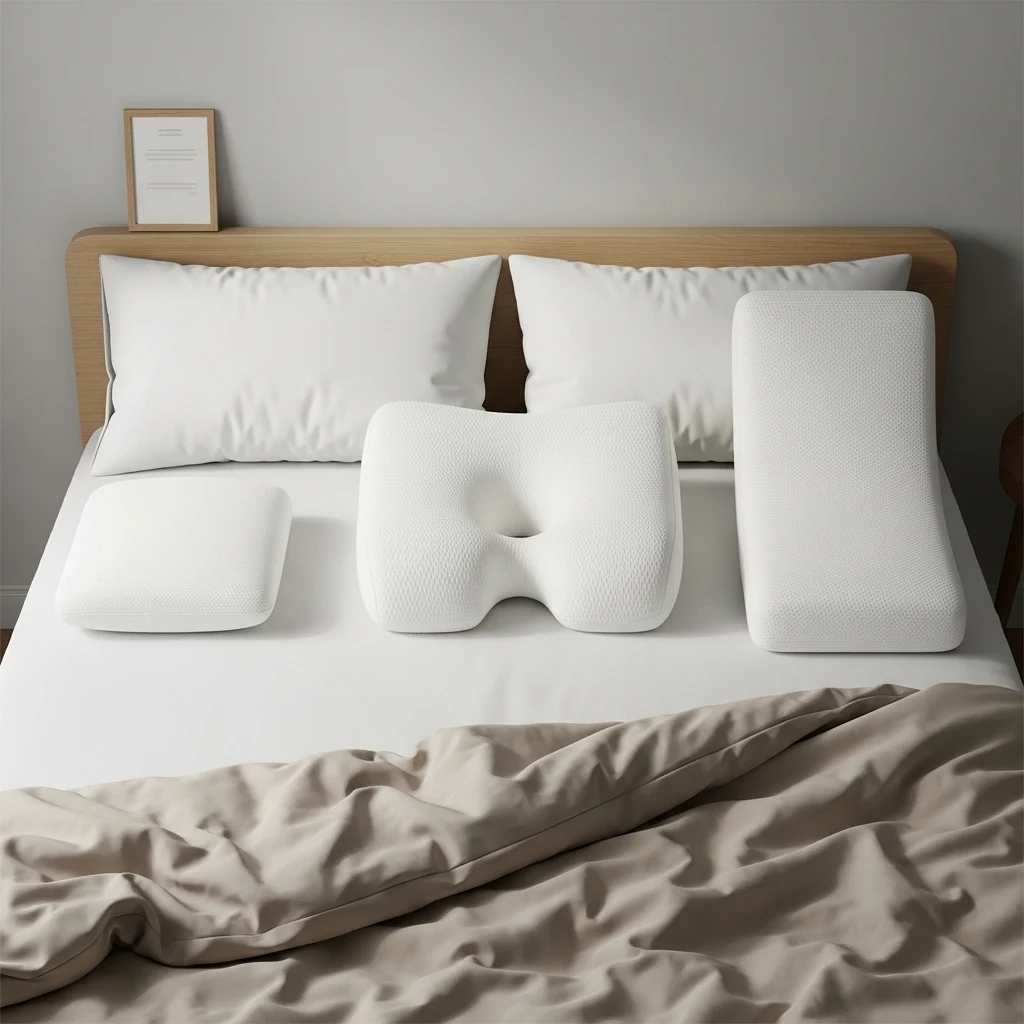
This is where most people go wrong. They buy a pillow based on reviews without considering that the reviewer might sleep in a completely different position. Let us match you up properly.
If you sleep on your back: Choose a medium-loft contoured pillow with a center dip.
The lower center section cradles your head while the raised edges support your neck. Memory foam or latex works beautifully here.
If you sleep on your side: You need a higher loft and a firmer pillow. Look for the taller edge of a contoured pillow or specifically a pillow designed for side sleeping.
The goal is to keep your spine perfectly horizontal from your head to your hips.
If you switch positions during the night: You are the tricky customer, and you deserve a versatile option.
A water pillow or a pillow with adjustable inserts gives you the flexibility to get support regardless of which position you land in.
How Long Does It Take to Adjust to a Cervical Pillow?
Switching to a cervical pillow after years of sleeping on a standard one can feel strange at first.
Your muscles have adapted to poor support for so long that proper alignment might actually feel uncomfortable initially.
Give yourself at least two to three weeks before you decide whether a cervical pillow is working for you.
Some people notice improvement within the first few nights. Others feel slightly more stiff during the adjustment period before things improve. This is normal, and it does not mean the pillow is wrong for you.
Other Habits That Support Neck Pain Relief
A cervical pillow does a lot of heavy lifting, but it works best alongside a few other habits. Think of the pillow as one piece of a larger puzzle.
- Stretch your neck each morning with gentle side-to-side and chin-to-chest movements
- Check your screen height during the day, because looking down at a laptop all day undoes a night of good pillow support
- Strengthen your upper back with basic exercises, since weak upper back muscles put extra strain on your neck
- Replace your pillow every 18 to 24 months, because even the best cervical pillow loses its supportive properties over time
Final Thoughts
Neck pain from sleeping does not have to be your permanent morning greeting.
The best cervical pillow for neck pain relief is one that matches your sleep position, suits your firmness preference, and keeps your cervical spine in proper alignment through the night.
Whether you go with a premium memory foam option like the Tempur-Pedic or start with a budget-friendly contoured pillow, any step away from a flat, unsupportive pillow is a step in the right direction.
Your neck does a remarkable job of holding up your head all day long. The least you can do is give it a proper place to rest at night.
Make the switch, be patient during the adjustment period, and wake up actually feeling rested for once.
Shop Cervical Pillows For Better Sleep On Amazon
What is the best cervical pillow for neck pain relief?
The best cervical pillow for neck pain relief depends on your sleep position and comfort. Back sleepers should try a contoured memory foam pillow, like the Tempur-Pedic TEMPUR-Neck Pillow.
It offers great spinal alignment. Side sleepers may prefer a higher-loft pillow, such as the Elviros Cervical Memory Foam Pillow.
If you change positions at night, the Mediflow Water Pillow lets you adjust the firmness. The key is to choose a pillow that matches how you sleep, not just one with high ratings.
How do I know if a cervical pillow is right for me?
A cervical pillow is worth a try if you often wake up with neck stiffness, shoulder tension, or headaches that fade during the day.
These are signs that your current pillow isn’t supporting your cervical spine well at night. If you frequently flip or adjust your pillow, or if you sleep better in hotel beds, it’s a clear signal that you need an upgrade.
How long does it take for a cervical pillow to relieve neck pain?
Most people notice improvement in one to two weeks. However, full adjustment usually takes two to three weeks. Your neck muscles have adapted to poor support for months or years.
So, proper spinal alignment may feel strange at first. Some may feel mild stiffness during the first few nights.
If discomfort lasts beyond three to four weeks, consult a physiotherapist or doctor to check for any underlying issues.
Can a cervical pillow make neck pain worse?
Yes, it can, but usually only if you pick the wrong size or loft for your body type and sleep position. A pillow that’s too high tilts your neck upward all night. One that’s too low lets your head drop.
Both can strain your cervical muscles. This is why it’s important to consider pillow height based on your shoulder width and sleep position.
Starting with an adjustable option, like a water pillow, helps you find the right firmness before choosing a fixed-foam pillow.
How often should I replace my cervical pillow?
Replace your cervical pillow every 18 to 24 months, even if it appears fine. Memory foam and latex wear out over time, losing support. To test it, fold the pillow in half and let go.
If it springs back quickly, it’s still good. If it stays folded or unfolds slowly, it’s time to replace it. Sleeping on a worn-out cervical pillow is nearly as bad as having no pillow at all.