How to Transition Your Toddler from Crib to Bed
Let me guess. Your toddler just climbed out of the crib like a little escape artist.
Now you’re looking at that crib and thinking, “Well… that phase is over.” Sound familiar? You’re not alone. I’ve been there, feeling both impressed and a bit scared.
Moving your toddler from a crib to a bed is a big step. It’s exciting and a little chaotic.
Yes, it can mess with your sleep for a while. But here’s the good news: if you do it right, this transition can go smoother than you think.
When Is the Right Time to Make the Switch?

Timing matters more than people admit. You don’t want to rush it, but you also don’t want your toddler turning their crib into a jungle gym.
Signs Your Toddler Is Ready
Look out for these clear signals:
- Climbing out of the crib regularly
- Asking for a “big kid bed”
- Outgrowing the crib physically
- Showing independence in daily routines
If your child checks even one or two of these boxes, you’re probably good to go. And if they’re launching themselves out of the crib like a stunt double? Yeah, it’s definitely time.
When You Should Wait
Sometimes, waiting actually makes your life easier. Hold off if:
- You’re potty training at the same time
- A new sibling just arrived
- You’re moving homes or changing routines
Too many changes at once can overwhelm your toddler. And honestly, it can overwhelm you too.
Choosing the Right Bed Setup
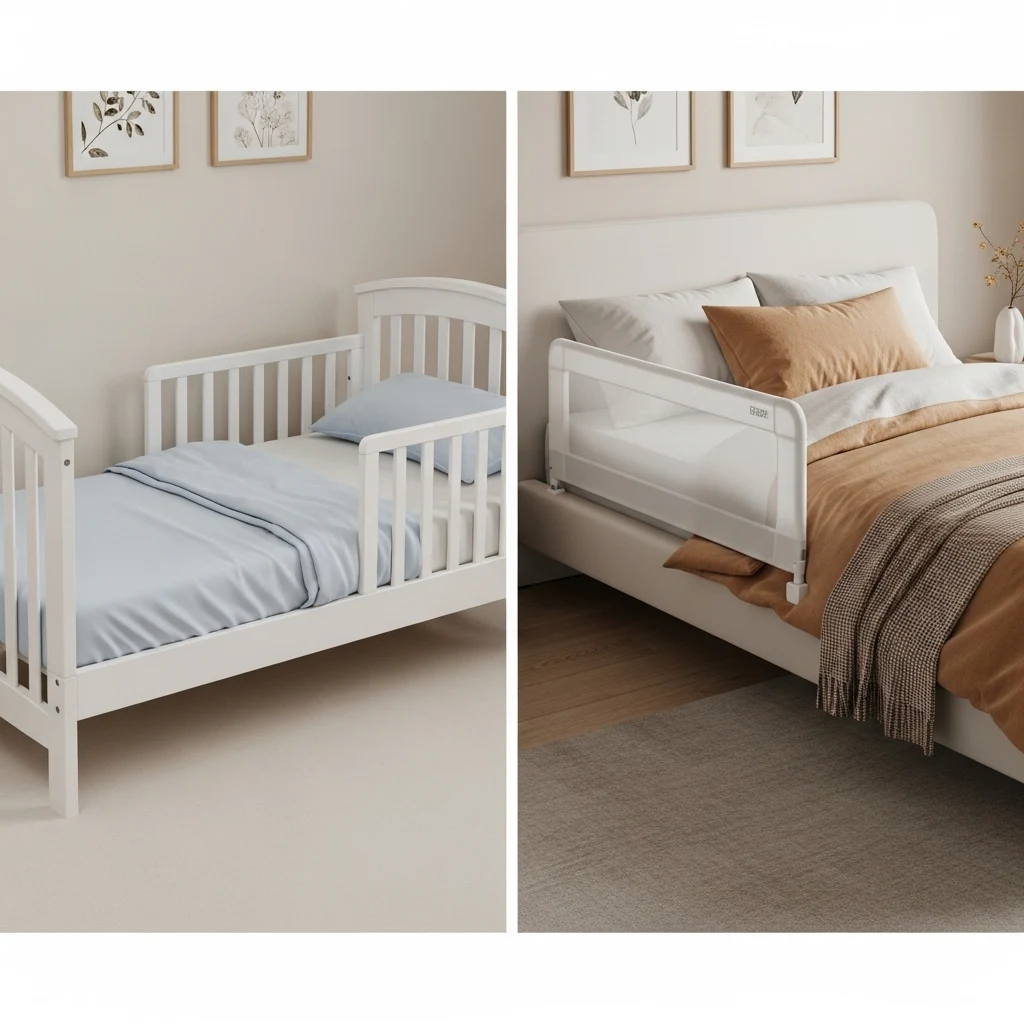
This part sounds simple, but it can make or break the transition. Not all beds work the same for toddlers.
Toddler Bed vs Twin Bed
Let’s break it down:
- Toddler Bed
- Smaller and closer to the ground
- Often uses the crib mattress
- Feels familiar and safe
- Twin Bed
- Bigger and lasts longer
- Requires guardrails
- Gives that “big kid” excitement
Personally, I lean toward a twin bed with guardrails. Why buy two beds if you don’t have to? But if your toddler struggles with change, a toddler bed can feel less intimidating.
Shop Top-Rated Toddler Beds On Amazon
Safety First, Always
Before your toddler takes their first night in the new bed, check these:
- Install guardrails to prevent falls
- Anchor nearby furniture to the wall
- Remove anything climbable near the bed
- Childproof the room completely
Here’s the reality. Once your toddler leaves the crib, the whole room becomes their playground. So yes, you need to think like a tiny troublemaker for a moment.
Check Affordable Bed Rails For Toddlers
Preparing Your Toddler Emotionally

This step gets overlooked all the time, and it shouldn’t. Toddlers don’t love surprises. Shocking, right?
Talk About It Early
Start the conversation a few days or even weeks before the switch.
Say things like:
- “You’re getting a big kid bed soon”
- “You’ll sleep just like mom and dad”
Keep it positive and exciting. You’re basically marketing the idea. And trust me, toddlers are tough customers.
Involve Them in the Process
Want instant buy-in? Let them help.
- Let them pick their bedsheets
- Allow them to choose a stuffed animal for bedtime
- Ask where they want their pillow
This gives them a sense of control. And toddlers love control more than snacks. Well, almost.
Explore Cute Toddler Bedding Sets
Creating a Smooth Transition Plan

You don’t want to just rip off the bandage here. A little strategy goes a long way.
Keep the Same Bedtime Routine
Consistency is your best friend right now.
Stick to your usual routine:
- Bath
- Pajamas
- Storytime
- Lights out
Do not change everything at once. Your toddler needs something familiar during this big shift.
Start With Naps First
Here’s a trick that worked for me. Test the bed during naps before bedtime.
Why? Because:
- Naps feel less stressful
- You can observe how your toddler reacts
- You avoid a full night disaster
If naps go well, bedtime will feel much easier.
Set Clear Boundaries
This is where things get interesting. Toddlers will test limits. It’s basically their hobby.
Set simple rules like:
- Stay in bed after lights out
- Call for you if they need something
And here’s the key. Stick to those rules consistently. If you bend them once, your toddler will remember forever.
Handling Common Challenges
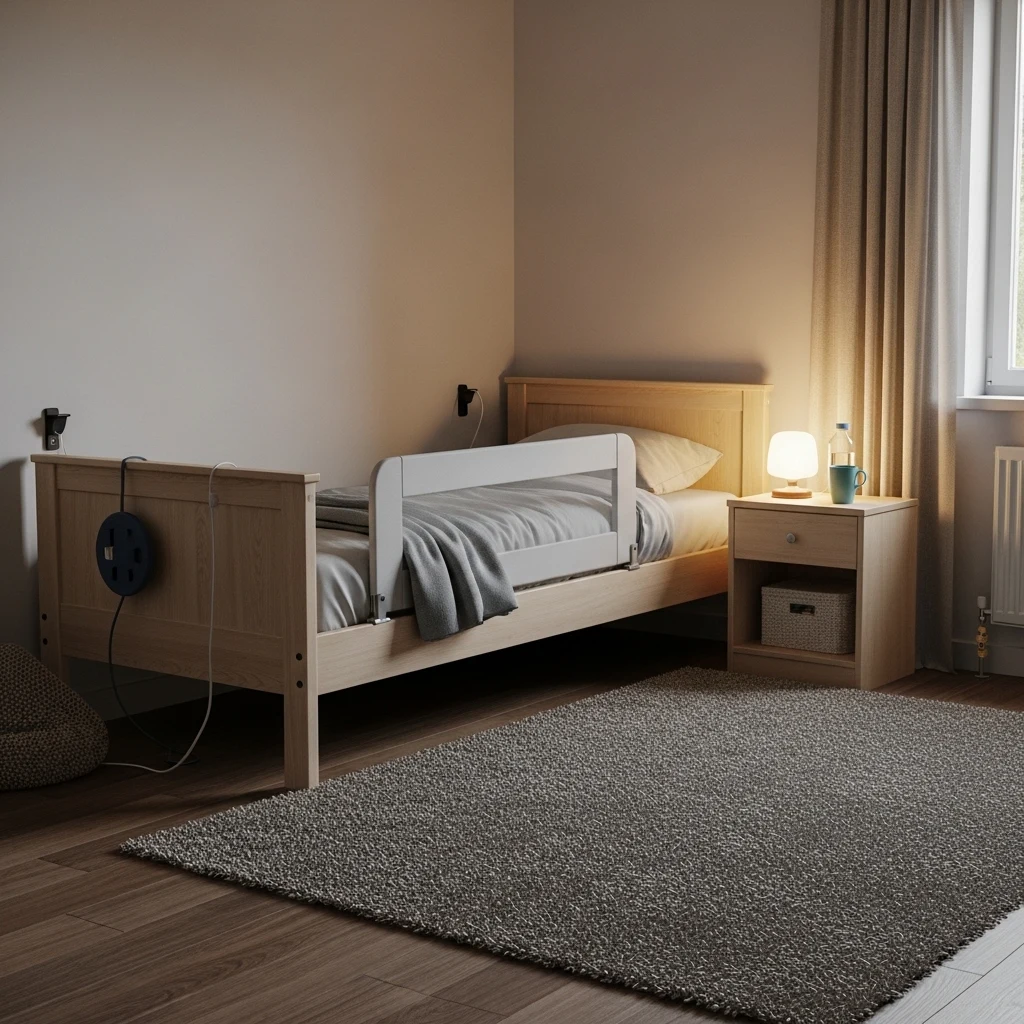
Let’s be honest. This transition rarely goes perfectly. Expect a few bumps.
“I Keep Getting Out of Bed”
Ah yes, the classic.
When your toddler keeps leaving the bed:
- Calmly walk them back
- Avoid long conversations
- Repeat as many times as needed
Yes, it feels repetitive. Yes, it can test your patience. But consistency wins here.
Fear of Falling
Some toddlers feel nervous in a bigger bed.
Help them feel secure by:
- Using guardrails
- Placing a soft rug or mattress on the floor
- Reassuring them before sleep
Sometimes, just sitting with them for a few minutes helps more than you expect.
Night Wakings Increase
Don’t panic if sleep temporarily gets worse.
This happens because:
- The environment changed
- Your toddler feels less confined
- They want to test their freedom
Stick to your routine, and things usually settle within a week or two.
Making the Bed Feel Special
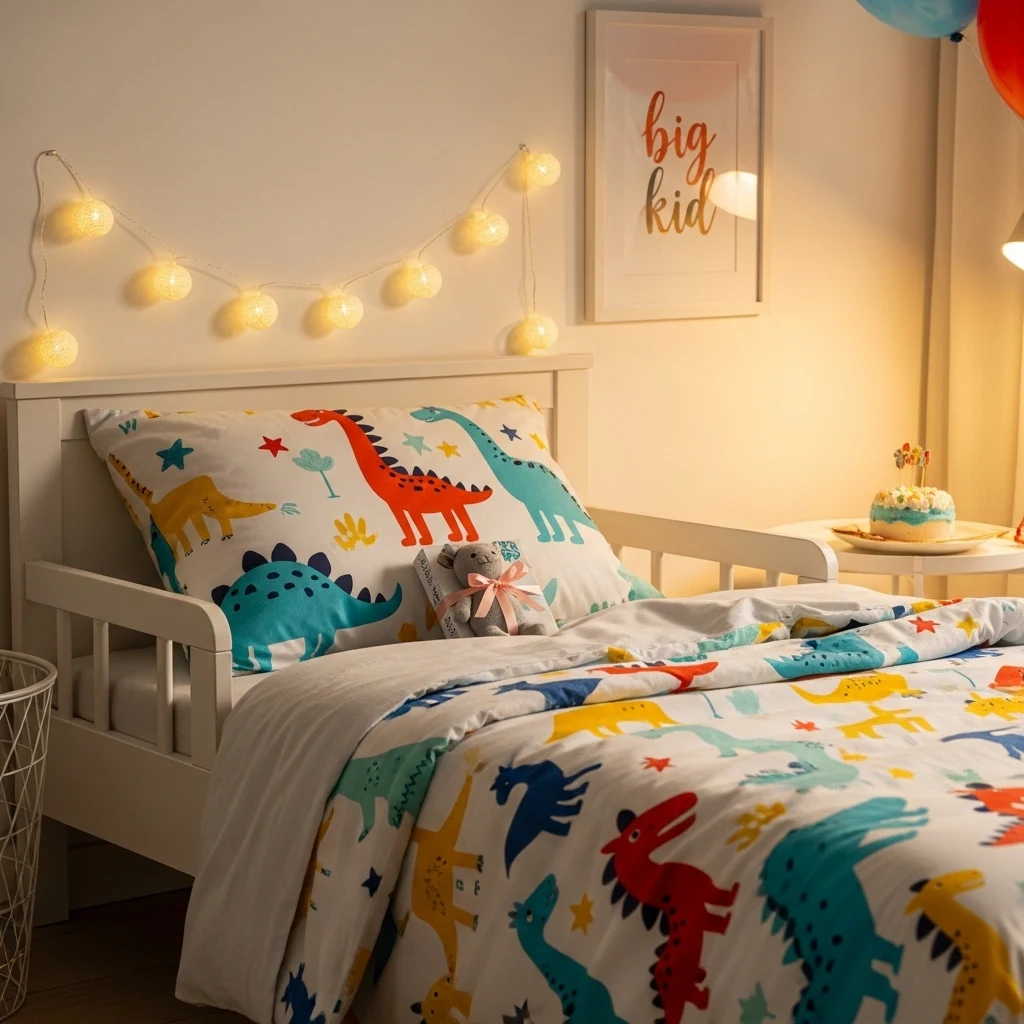
Want your toddler to actually like their new bed? Make it fun.
Add Personal Touches
Simple upgrades can make a big difference:
- Favorite character bedding
- A special nightlight
- A new stuffed toy
You’re creating a space they enjoy, not just a place to sleep.
Celebrate the Milestone
Make it feel like an achievement.
You could:
- Clap and cheer on the first night
- Take a photo of their “big kid bed”
- Tell family members about it
This builds confidence and excitement.
Shop Cozy Nightlights For Toddlers
What About Sleep Regression?

Let’s address the elephant in the room. Yes, it can happen.
Why It Happens
Your toddler suddenly has:
- More freedom
- More curiosity
- Less restriction
And naturally, they want to explore all of that at bedtime.
How to Handle It
Keep it simple:
- Stay calm and consistent
- Avoid creating new habits like sleeping next to them every night
- Reinforce bedtime rules gently but firmly
Remember, this phase is temporary. Even if it doesn’t feel like it at 2 AM.
Tips That Actually Make a Difference
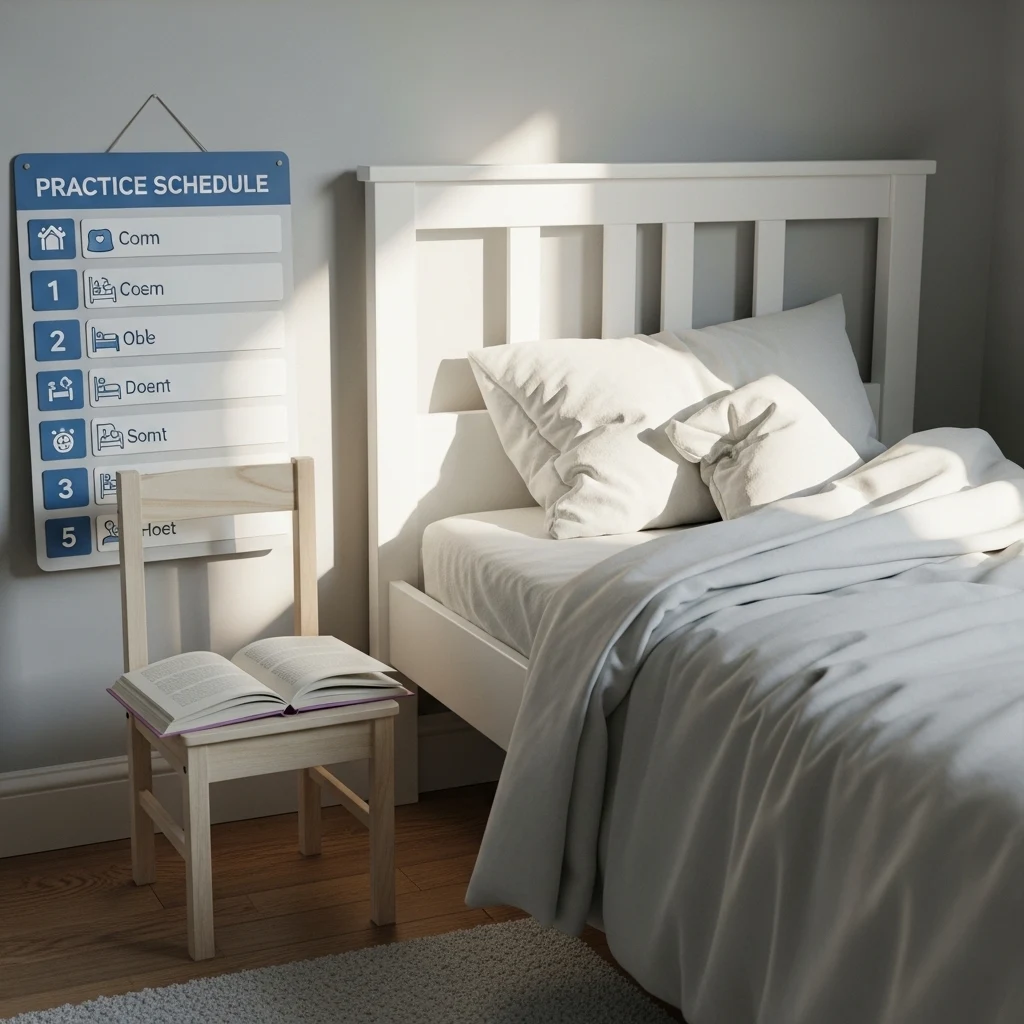
Let me share a few things that made a real impact for me.
- Use a bedtime clock: Toddlers understand visual cues better than time
- Keep the room boring at night: No toys within reach
- Practice during the day: Let them sit or lie in the bed to get used to it
- Stay patient: Progress sometimes looks messy
And here’s a big one. Don’t expect perfection right away. This is a learning process for both of you.
Check Smart Toddler Sleep Training Clocks
Comparing Approaches: Gentle vs Firm
Parents usually fall into one of two camps here.
Gentle Approach
- Sit with your toddler until they fall asleep
- Offer reassurance often
- Gradually reduce your presence
This works well for sensitive kids. But it takes more time and patience.
Firm Approach
- Put your toddler in bed and leave
- Return only when necessary
- Keep interactions minimal
This can work faster, but it requires consistency and a strong will.
Honestly, neither approach is “right” or “wrong.” Pick what fits your parenting style and your child’s personality.
Final Thoughts
Transitioning your toddler from a crib to a bed feels like a big deal, because it is. You’re watching your little one grow up right in front of you.
And yes, it comes with a few sleepless nights and a lot of repeated “back to bed” moments.
But here’s the truth. Most toddlers adjust faster than you expect when you stay consistent, calm, and a little bit stubborn. You don’t need a perfect plan. You just need a steady one.
So take a deep breath, embrace the chaos for a few nights, and remember this. One day, you might actually miss the days when your biggest problem was a tiny human refusing to stay in bed.
When Should I Transition My Toddler from Crib to Bed?
Most toddlers are ready between 18 months and 3 years. However, behavior matters more than age. If your toddler climbs out of the crib or asks for a bigger bed, it’s time to act.
Also, think about your current routine. If you’re managing big changes, like potty training or a new sibling, it might be wise to wait. Timing can make this transition smooth or chaotic.
How Do I Keep My Toddler in Bed at Night?
Consistency is key. When your toddler gets out of bed, calmly walk them back. Don’t turn it into a conversation. Repeat this as needed. It may feel repetitive, but it works over time.
Set clear expectations before bedtime. Tell your toddler they need to stay in bed once they’re there. A calm and predictable response helps them grasp the boundaries quicker.
Is a Toddler Bed Better Than a Twin Bed?
A toddler bed feels familiar. It uses the same crib mattress and sits lower to the ground. This can ease anxiety during the transition. It’s a good short-term choice for cautious toddlers.
A twin bed lasts longer and saves money over time. Add guardrails, and it’s just as safe. Many parents choose this option to avoid another upgrade later.
What If My Toddler Keeps Getting Out of Bed?
This is a common challenge, so don’t panic. Your toddler isn’t trying to frustrate you. They’re testing boundaries and exploring their new freedom.
The best response is calm repetition. Gently walk them back to bed each time. Avoid engaging too much.
Don’t negotiate or create new habits, like lying down with them every night, unless you want that routine to continue.
Will My Toddler’s Sleep Get Worse After the Transition?
Sleep disruptions often occur at first. Your toddler has more freedom now and wants to explore. This can cause more night wakings or resistance at bedtime.
The key is to stay consistent with your routine. Most toddlers adjust within one to two weeks. If you follow your rules and avoid big changes, sleep usually improves faster than you think.