How to Prevent Dry Throat While Sleeping
Waking up with a dry, scratchy throat is no fun. You roll over, try to swallow, and it feels like you’ve been snoring in a desert. Sound familiar?
The good news is that a dry throat isn’t a curse. You can take real steps to fix it.
Let’s look at what causes it and, more importantly, how to stop it.
Why Does Your Throat Get Dry While You Sleep?
Before jumping into solutions, it helps to understand what’s actually going on.
Your throat dries out at night mainly because of how you breathe, the air around you, and a few habits you might not even realize you have.
Here are the most common culprits:
- Mouth breathing while you sleep, which bypasses your nose’s natural humidifying system
- Low humidity in your bedroom, especially during winter or in air-conditioned rooms
- Sleeping with your mouth open due to nasal congestion or simply habit
- Snoring, which pushes large amounts of dry air across your throat repeatedly
- Dehydration going into bedtime
- Allergies or postnasal drip, which irritate the throat throughout the night
- Certain medications, including antihistamines and blood pressure drugs, which reduce saliva production
Knowing your trigger is half the battle. Once you identify what’s drying you out, you can target it directly.
Use a Humidifier in Your Bedroom
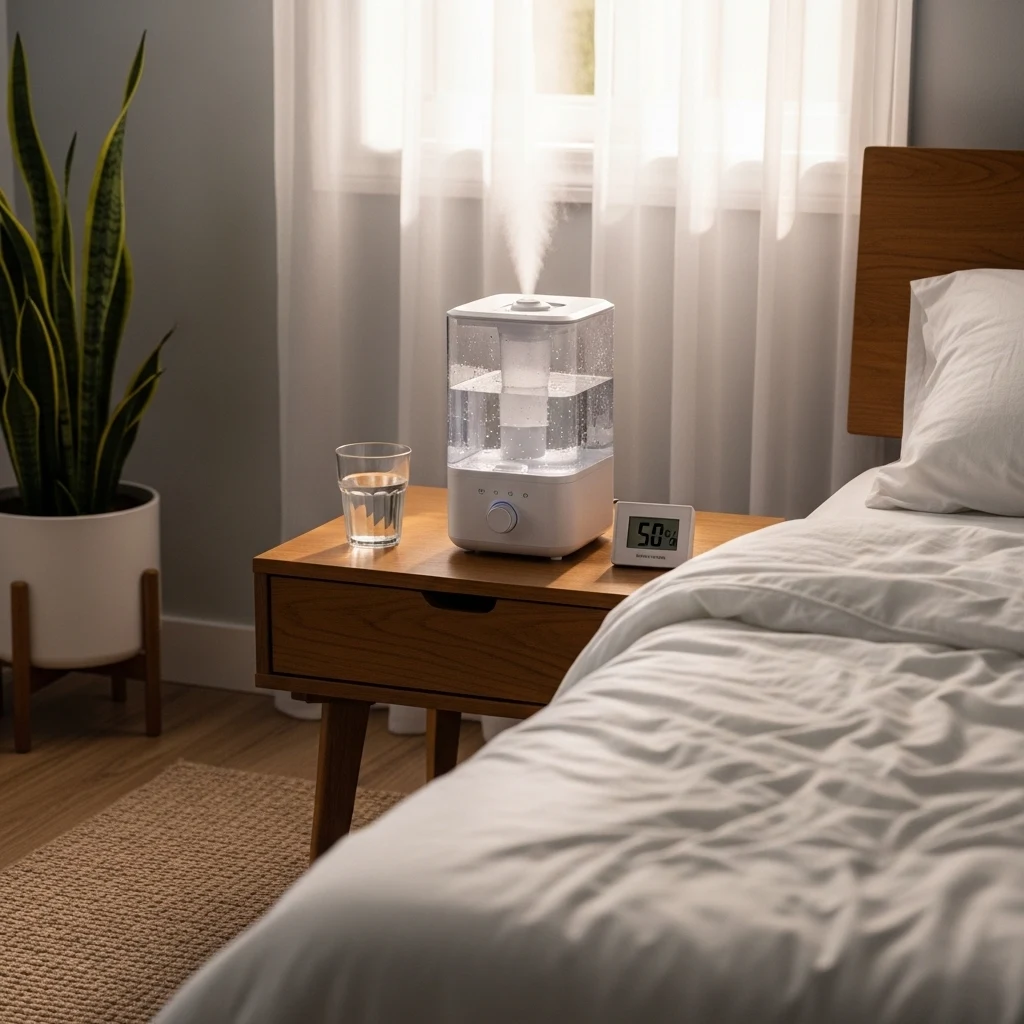
This one is honestly a game-changer, and if you are not already doing it, you are missing out.
A humidifier adds moisture back into the air, which means your throat and nasal passages stay hydrated even as you sleep through the night.
What Type of Humidifier Works Best?
You have a few options here, and they are not all equal:
- Cool mist humidifiers are generally safer (especially if you have kids or pets) and work well for most people
- Warm mist humidifiers can feel more soothing, particularly when you already have a sore throat
- Ultrasonic humidifiers run quietly, which matters a lot when you are trying to sleep
Aim to keep your bedroom humidity between 40% and 60%. Too dry and your throat suffers. Too humid and you start growing mold, which creates a whole different set of problems.
Clean your humidifier regularly. A dirty humidifier pumps bacteria and mold spores into the air, which is the opposite of helpful.
Train Yourself to Breathe Through Your Nose
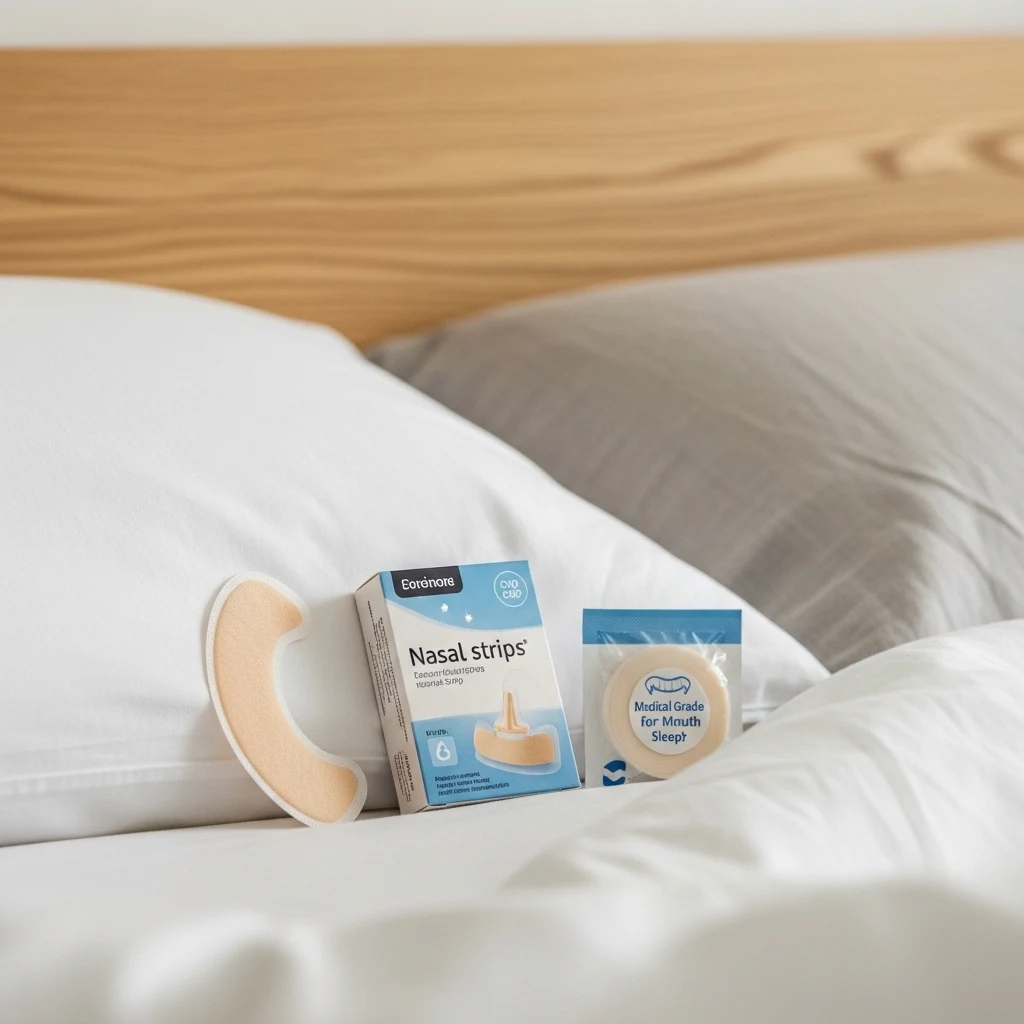
Mouth breathing is probably the single biggest reason most people wake up with a dry throat.
When you breathe through your mouth, you skip the nose entirely, and the nose does a lot of quiet, underappreciated work. It warms, filters, and moistens the air before it reaches your throat.
How to Stop Mouth Breathing at Night
If you breathe through your mouth out of habit, here are some things that actually help:
- Nasal strips worn across the bridge of your nose gently open your nasal passages and make nose breathing easier
- Mouth tape sounds alarming, but it is a legitimate tool that many people use to train themselves to keep their mouth closed at night. Use tape specifically designed for this purpose.
- Addressing nasal congestion is key. If your nose is blocked, you have no choice but to breathe through your mouth. Treating the root cause, whether that is allergies, a deviated septum, or chronic congestion, makes a huge difference.
Yes, mouth tape is a real thing people put on their faces before sleeping. No, it is not as weird as it sounds once you try it.
Shop Nasal Strips And Mouth Tape On Amazon
Stay Properly Hydrated Before Bed

Here is a straightforward one that people consistently overlook. If you go to bed dehydrated, your body has less moisture to work with overnight, and your throat pays the price.
Drink a glass of water about 30 minutes before bed. Not a huge amount, because waking up to use the bathroom every two hours defeats the purpose.
Just enough to make sure you are not starting the night running low.
Also, watch what you drink in the hours before sleep:
- Alcohol is a known dehydrator and also relaxes the muscles in your throat, making snoring and mouth breathing worse
- Caffeine acts as a diuretic and can leave you more dehydrated than you realize
- Herbal teas like chamomile or slippery elm are genuinely soothing for the throat and a much better pre-bedtime option
Treat Your Allergies and Nasal Congestion
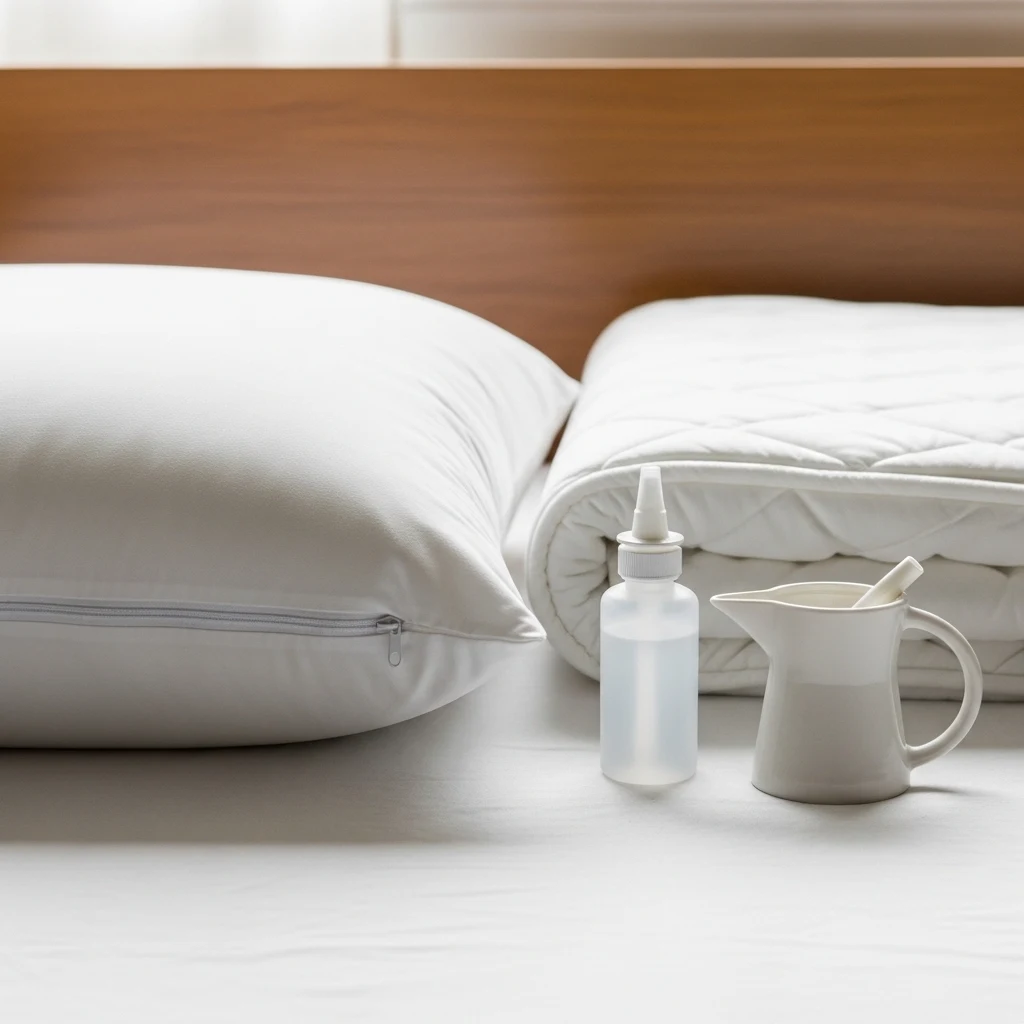
If allergies or congestion are forcing you to breathe through your mouth, then no amount of humidifiers or water will fully solve the problem.
You need to address what is blocking your nose in the first place.
Practical Steps for Allergy-Related Dry Throat
- Wash your bedding weekly in hot water to reduce dust mites, which are a very common allergy trigger
- Use allergen-proof pillow covers and mattress covers to cut down on exposure while you sleep
- Keep pets out of the bedroom if you are allergic to pet dander (yes, this is a tough one, but it works)
- Try a nasal saline rinse before bed to clear out allergens and moisturize your nasal passages at the same time
- Talk to a doctor about antihistamines or nasal corticosteroid sprays if your allergies are persistent. Just note that some antihistamines dry out mucous membranes, so a non-drowsy daytime formula might serve you better than a bedtime one.
Shop Allergen-Proof Bedding And Covers On Amazon
Adjust Your Sleep Position
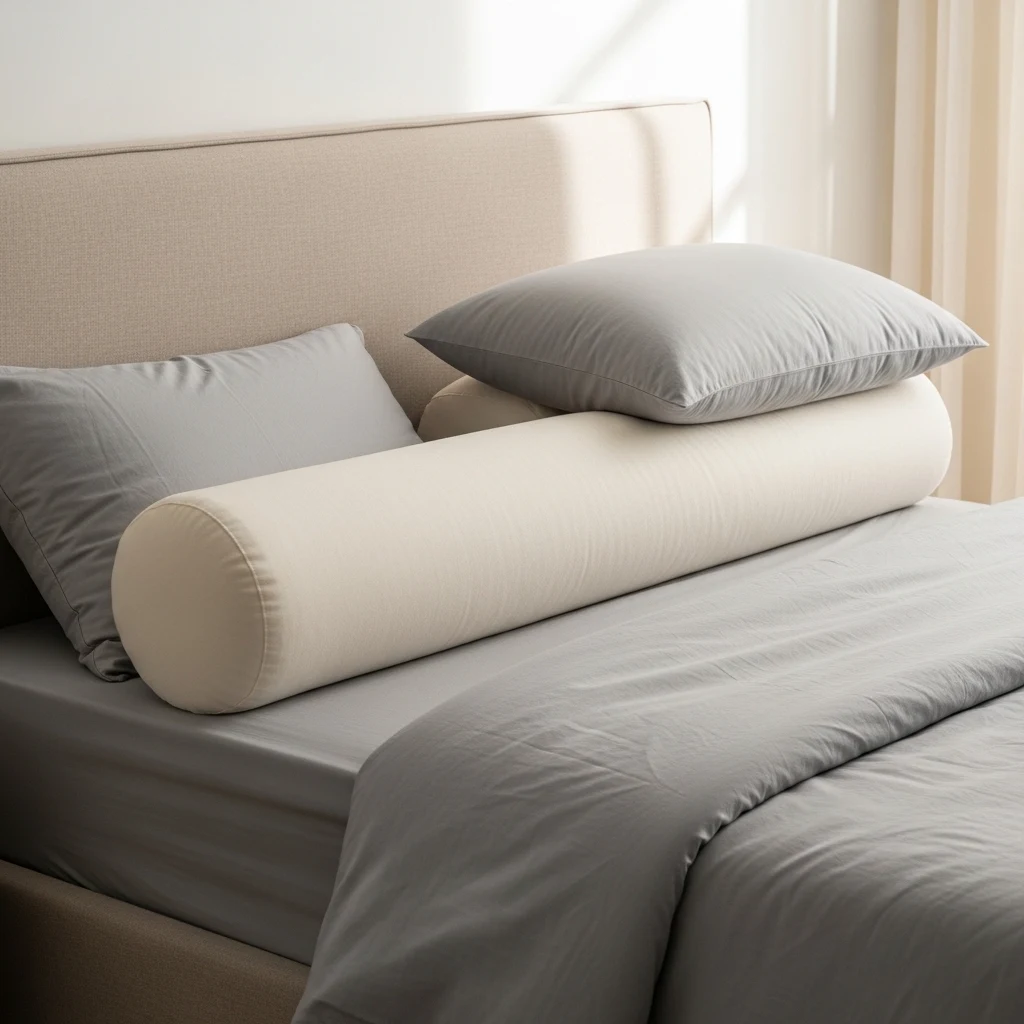
Your sleeping position actually plays a role here. Sleeping flat on your back tends to encourage mouth breathing and can worsen snoring, both of which dry out your throat faster.
Try sleeping on your side instead. Side sleeping reduces the likelihood of your mouth falling open and also helps minimize snoring.
If you find yourself rolling onto your back during the night, a body pillow can help keep you in position.
Elevating your head slightly with an extra pillow can also reduce postnasal drip, which is the slow trickle of mucus down the back of your throat that irritates and dries it out overnight.
Soothe Your Throat Before Bedtime

Sometimes prevention is about setting your throat up for success before you even close your eyes.
Pre-Sleep Throat Remedies That Work
- Honey in warm water or herbal tea coats the throat and has mild antimicrobial properties. A spoonful before bed is genuinely effective, not just a folk remedy your grandmother made up.
- Throat lozenges or sprays with ingredients like glycerin or pectin can provide a protective layer of moisture
- Slippery elm lozenges are a well-regarded natural option that many people find helpful for throat dryness
- Steam inhalation before bed, just leaning over a bowl of hot water with a towel over your head for a few minutes, helps hydrate your nasal passages and throat before you lie down
Avoid eating spicy or acidic foods close to bedtime, too. Acid reflux is another sneaky cause of throat dryness and irritation that people often don’t connect to their nighttime symptoms.
Shop Throat Lozenges And Soothing Remedies On Amazon
Check Your Medications
If you have tried everything else and still wake up with a dry throat, your medications might be the issue.
Antihistamines, antidepressants, diuretics, and some blood pressure medications are all known to reduce saliva and moisture production.
Talk to your doctor or pharmacist about whether your current medications could be contributing to the problem.
Do not stop taking prescribed medication on your own, but do have an honest conversation about the side effects you are experiencing.
There may be alternative options or timing adjustments that help.
When to See a Doctor
Most of the time, a dry throat while sleeping is an annoyance, not a medical emergency. But there are situations where you should get a professional opinion:
- If you snore loudly and regularly, especially if your partner notices you stopping breathing for moments during the night, that could point to sleep apnea, which needs proper diagnosis and treatment
- If you have chronic postnasal drip that never seems to clear up regardless of what you try
- If your dry throat comes with pain, difficulty swallowing, or voice changes that persist during the day
Sleep apnea in particular is underdiagnosed and worth ruling out if your dry throat is just one of several sleep-related symptoms you are dealing with.
The Bottom Line
Waking up with a dry throat does not have to be your permanent morning routine.
Between adding a humidifier, staying hydrated, addressing nasal congestion, adjusting your sleep position, and building a solid pre-sleep routine, you have plenty of real tools to work with.
Start with one or two changes and see what makes the biggest difference for you. Most people find that a humidifier combined with better hydration handles the majority of the problem.
If those do not do the trick, work through the other steps methodically until you find your fix.
Your throat wakes up with you every single morning. It deserves a little consideration before you go to sleep.
What Causes a Dry Throat While Sleeping?
The main causes of a dry throat at night are mouth breathing, low humidity, snoring, dehydration, allergies, postnasal drip, and some medications like antihistamines or blood pressure drugs.
Finding your specific trigger is the first step to the right solution.
Does a Humidifier Really Help With Dry Throat at Night?
A humidifier is a great tool for preventing a dry throat while you sleep. It puts moisture back into the air, keeping your throat and nose hydrated all night.
Aim for bedroom humidity levels between 40% and 60% for the best results.
How Can I Stop Breathing Through My Mouth While Sleeping?
You can reduce night mouth breathing by using nasal strips or mouth tape made for sleep.
Treat underlying nasal congestion that causes mouth breathing. Addressing allergies or a deviated septum can also help in the long run.
Is Waking Up With a Dry Throat a Sign of Sleep Apnea?
It can be. If you often wake up with a dry throat, snore loudly, feel very tired during the day, or if your partner sees you stop breathing at night, sleep apnea might be a factor.
Talk to a doctor for an evaluation and diagnosis.
What Can I Drink Before Bed to Prevent a Dry Throat at Night?
Drinking a glass of water about 30 minutes before bed is simple and effective. Herbal teas, like chamomile or slippery elm, are great choices. They hydrate and soothe the throat.
Avoid alcohol and caffeine near bedtime. Both can dehydrate you and worsen dry throat symptoms overnight.