Small Bedroom Layout With Queen Bed That Actually Works
Fitting a queen bed into a small bedroom can feel tricky. You want comfort, style, and space, but the room can seem unhelpful.
I’ve been there, and I made some poor layout choices before finding what works.
Let’s change that. For a small bedroom layout with a queen bed that works, you need smart positioning, creativity, and a readiness to let go of what you don’t need.
Ready to make your space feel larger without knocking down walls?
Start With Bed Placement Because Everything Depends on It
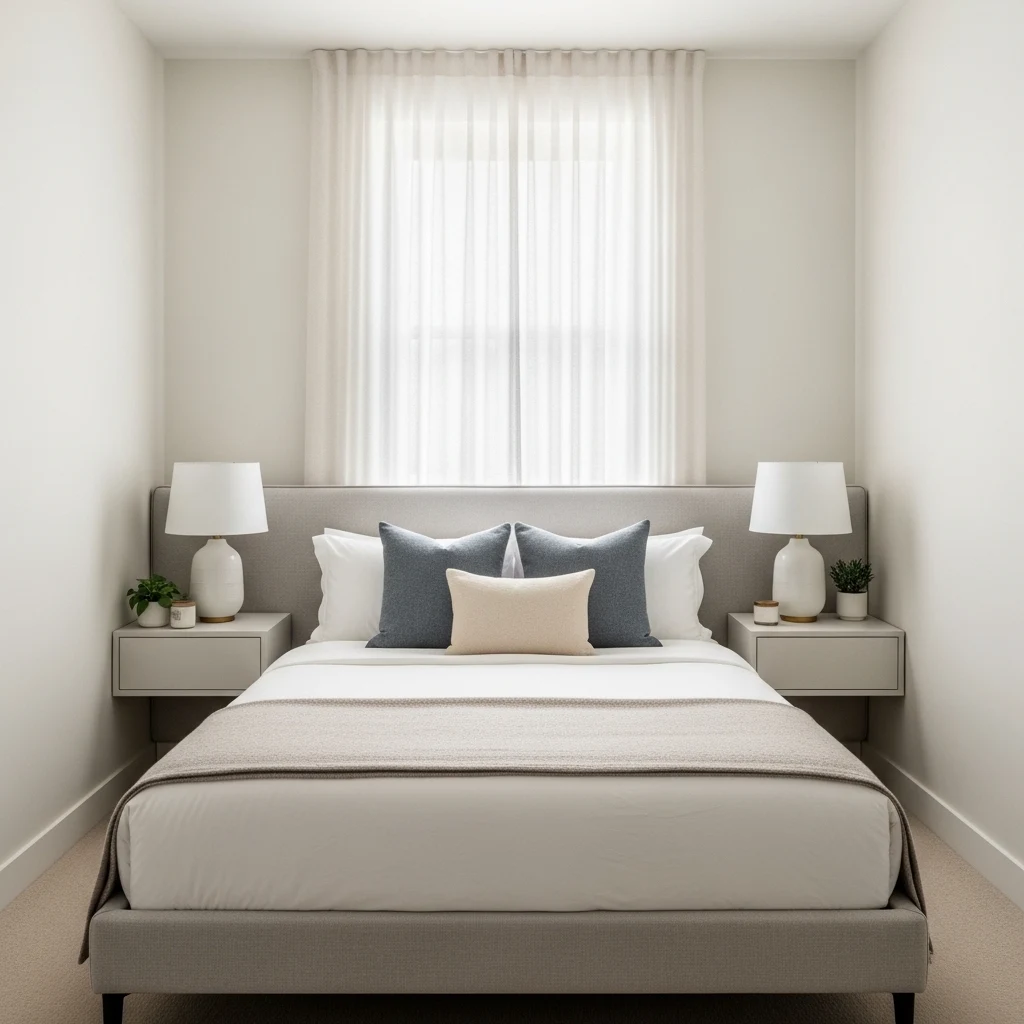
Let’s be honest. The queen bed runs the show here. Place it wrong, and your room feels cramped instantly.
Centered Against the Main Wall
This is the most balanced layout, and it works surprisingly well even in tight spaces.
- Place the bed against the longest wall
- Keep equal space on both sides if possible
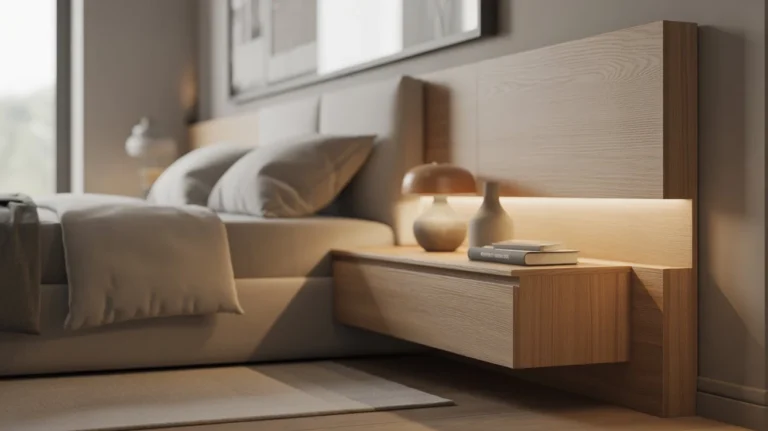
- Add slim nightstands or floating shelves
Why does this work so well? Because it creates symmetry. Your brain loves symmetry. Your room instantly feels more organized.
But what if your room laughs at symmetry?
Shop Slim Nightstands For Small Bedrooms
Pushed Into a Corner
If your bedroom feels more like a hallway with ambition, this layout saves you.
- Push the bed into a corner
- Leave one side open for access
- Use wall-mounted lighting to free up space
Yes, one-sided access isn’t glamorous, but you gain precious walking room. Worth it? Absolutely.
Ever climbed over a bed like it’s an obstacle course? Not ideal, but sometimes practical wins.
Use Vertical Space Like Your Life Depends on It
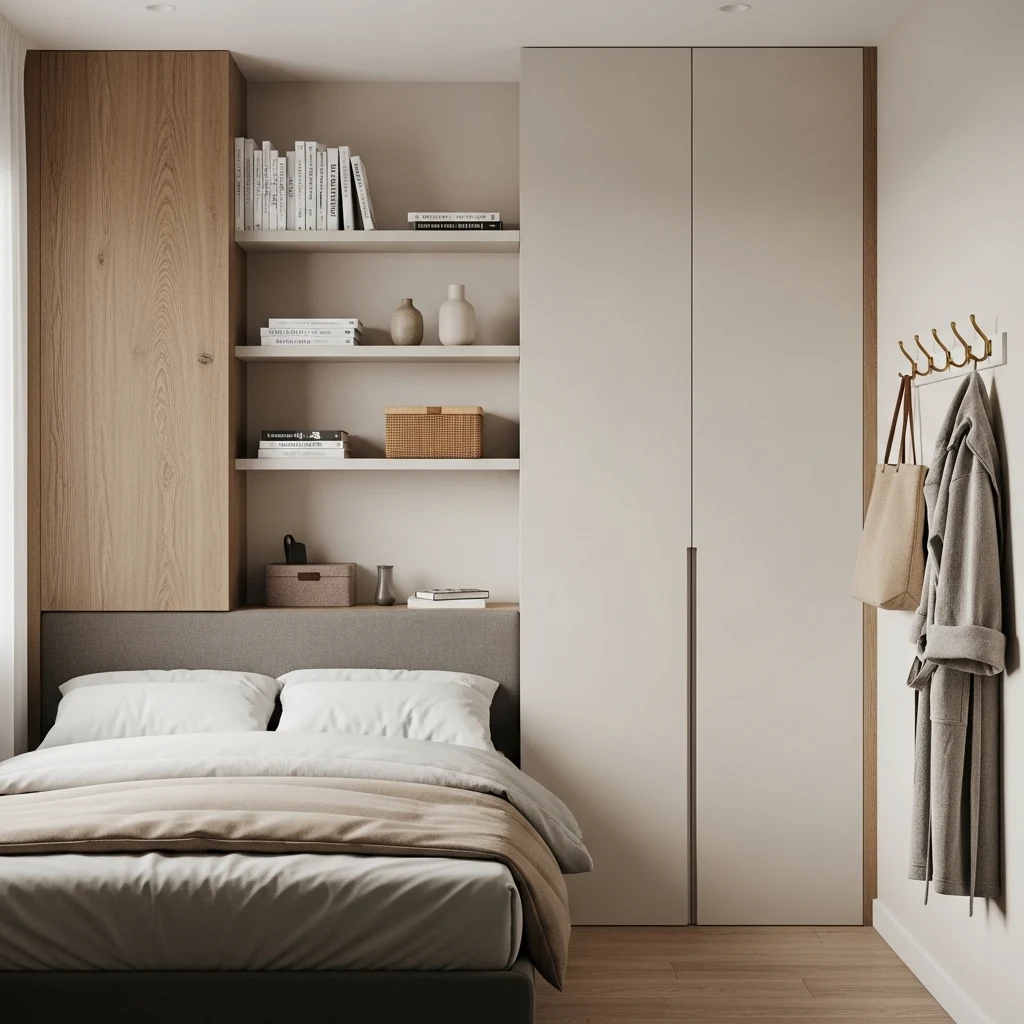
Small rooms don’t forgive clutter. You need to think upward.
Go Tall With Storage
Instead of spreading furniture across the floor, stack it vertically.
- Install tall wardrobes or shelving units
- Use over-the-bed storage for books or decor
- Add hooks or pegboards for daily essentials
This keeps your floor open, which makes the room feel bigger. Simple trick, big impact.
Floating Furniture Is Your Secret Weapon
Bulky furniture eats space fast.
Try this instead:
- Floating nightstands
- Wall-mounted desks
- Slim wall shelves
Floating pieces create visual space, and your room feels less crowded instantly. Plus, cleaning becomes easier. No more dust monsters hiding under chunky furniture.
Browse Floating Nightstands And Wall Shelves
Choose the Right Furniture Size or Regret It Later
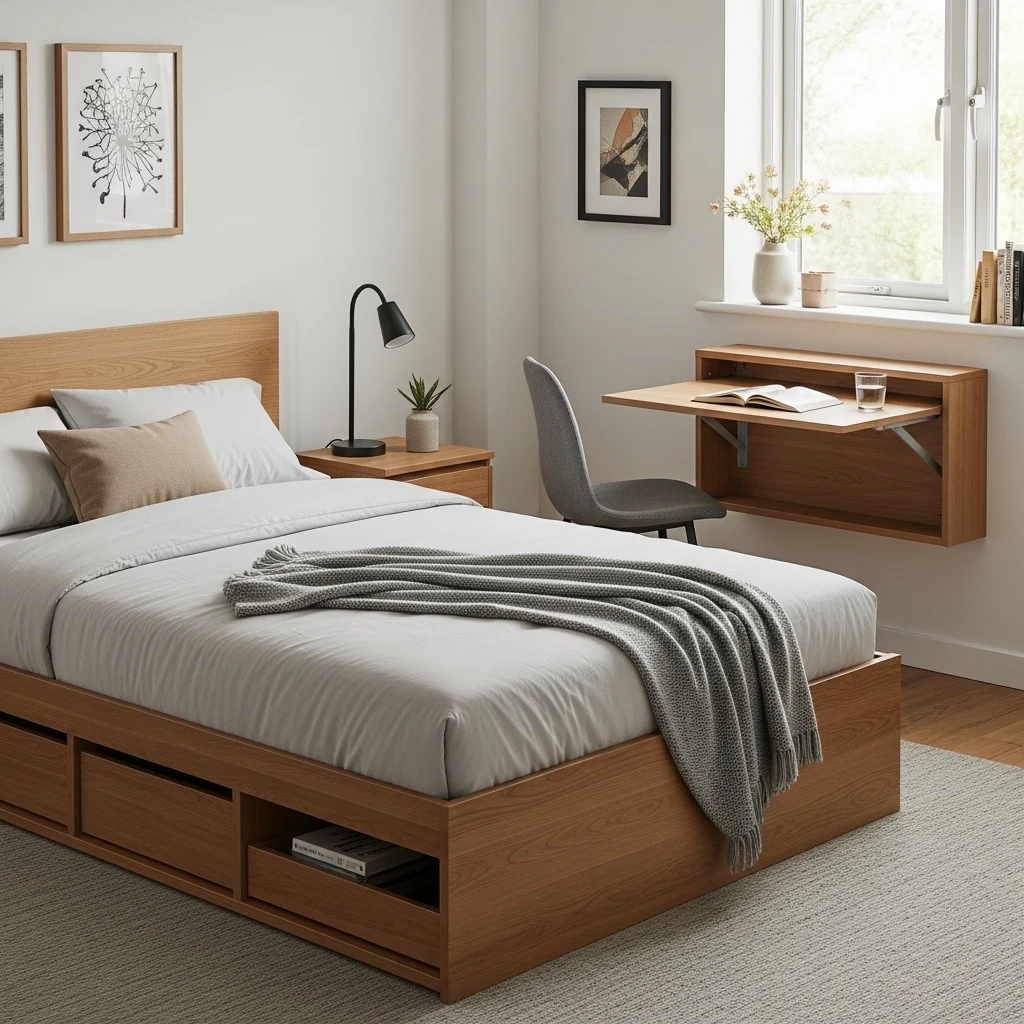
I learned this the hard way. Oversized furniture in a small room is like wearing shoes two sizes too big. It just doesn’t work.
Stick to Slim and Multi-Functional Pieces
Look for furniture that works harder than you do.
- Beds with built-in storage drawers
- Foldable desks or wall desks
- Narrow nightstands
Every piece should earn its place. If it doesn’t serve at least two purposes, question it.
Do you really need that giant dresser? Or do you just like how it looked in the store?
Check Out Storage Beds With Built-In Drawers
Create Walkways That Actually Make Sense
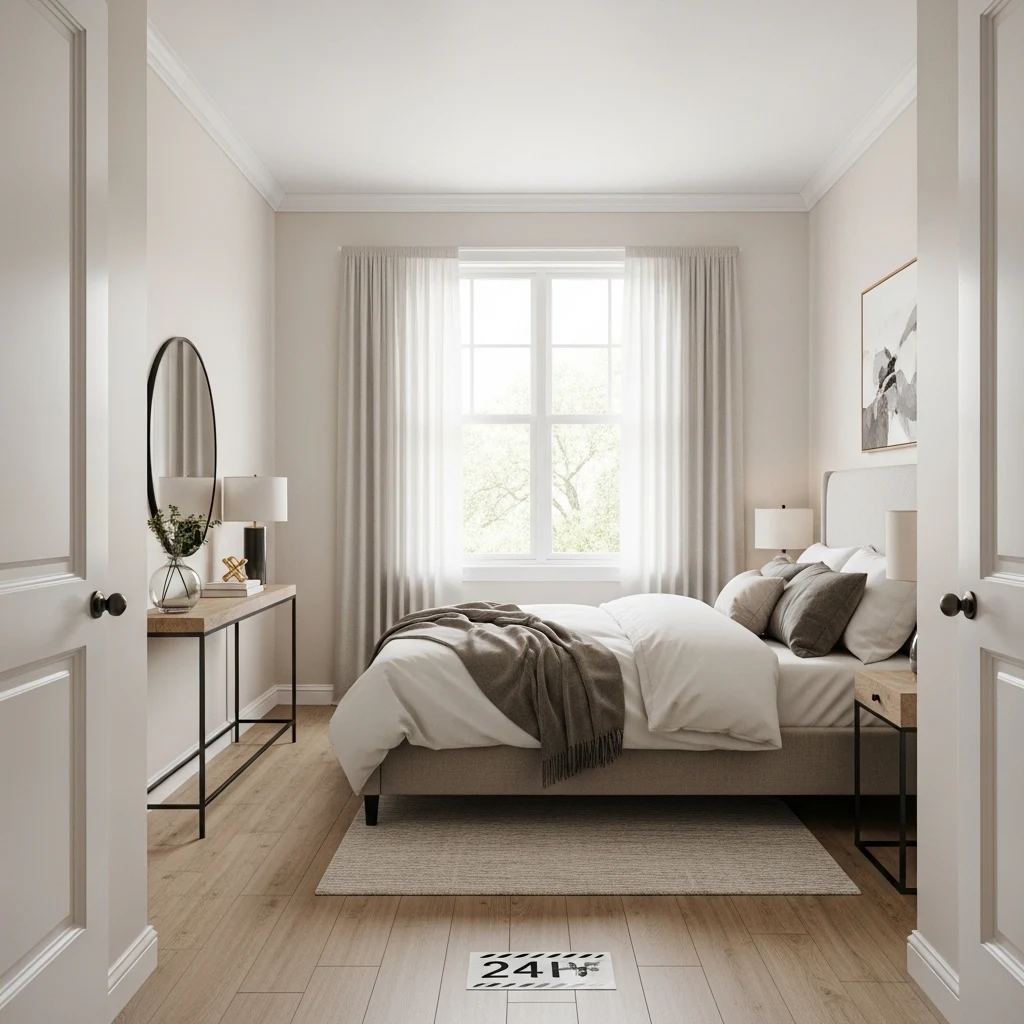
You don’t want to squeeze sideways just to reach your bed. That gets old fast.
Maintain Clear Paths
Aim for:
- At least 24 inches of walking space where possible
- A clear path from the door to the bed
- No awkward furniture blocking movement
Good flow makes a room feel bigger than it is. Bad flow makes it feel like a storage unit.
Try walking through your room right now. Do you bump into something? That’s your sign.
Light and Color Can Trick Your Eyes
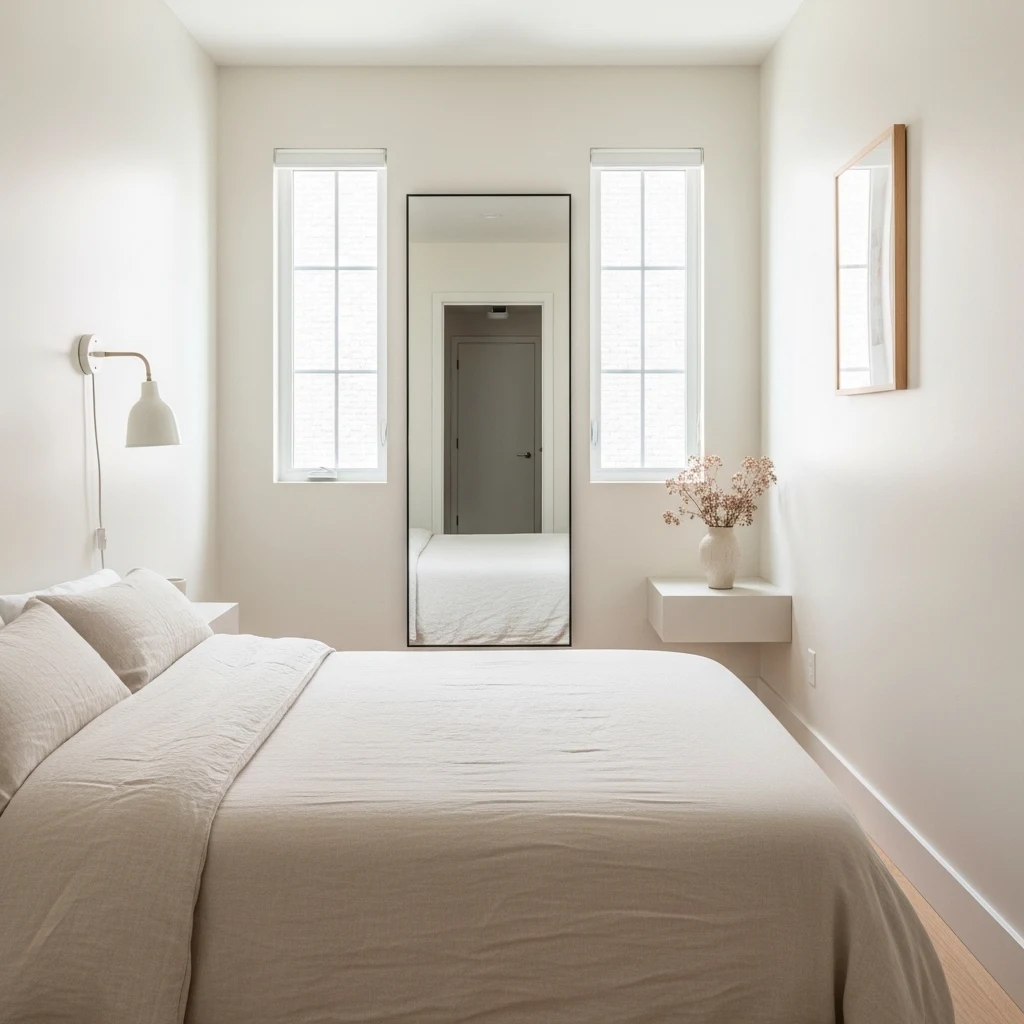
You can’t magically expand your room, but you can fool your eyes a little.
Use Light Colors Strategically
- Choose light walls like white, soft gray, or beige
- Use matching tones for bedding and curtains
- Avoid heavy, dark color blocks
Light colors reflect more light, which makes the room feel open. Dark colors can work too, but only if you balance them carefully.
Mirrors Work Like Magic
Okay, not actual magic, but close enough.
- Place a large mirror opposite a window
- Use mirrored furniture sparingly
- Avoid cluttered reflections
Mirrors create the illusion of depth, which helps your room feel twice as big. It’s one of the easiest wins.
Find Large Mirrors To Make Your Room Look Bigger
Smart Layout Ideas That Actually Work
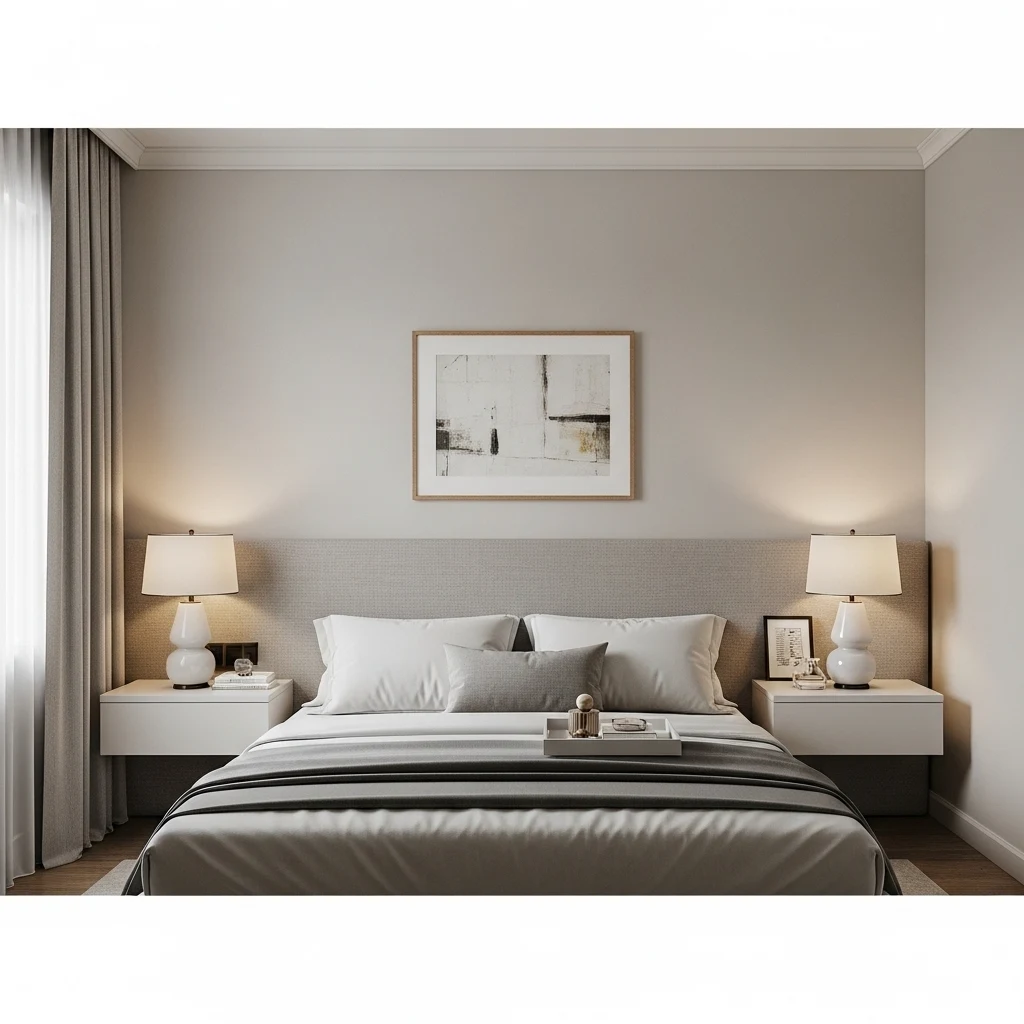
Let’s get practical. Here are a few proven layouts you can steal.
Layout 1: Classic Balanced Setup
- Bed centered on the main wall
- Two small nightstands or shelves
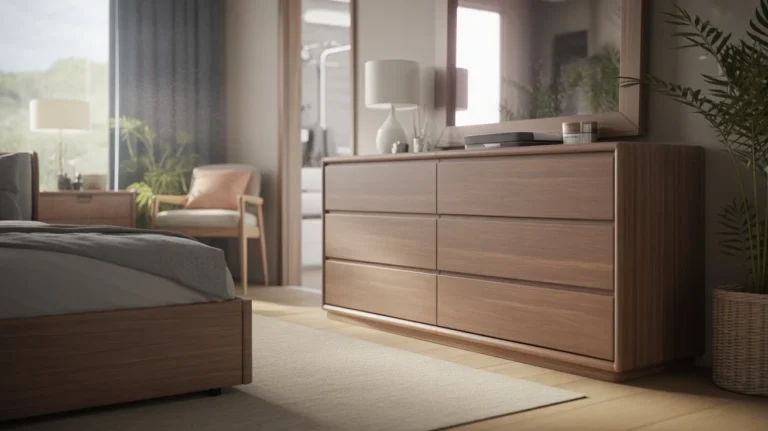
- Dresser across from the bed
Best for: Slightly wider small rooms
Why it works: Balanced and visually calm
Layout 2: Corner Bed Layout
- Bed pushed into one corner
- One nightstand or wall shelf
- Open floor space for movement
Best for: Narrow rooms
Why it works: Maximizes walking space
Layout 3: Minimalist Layout
- Bed against the wall
- No nightstands or just one
- Wall-mounted lighting and storage
Best for: Tiny bedrooms
Why it works: Keeps only essentials
Layout 4: Storage-Focused Layout
- Storage bed with drawers
- Tall wardrobe on one wall
- Minimal extra furniture
Best for: Rooms with limited closet space
Why it works: Combines sleeping and storage efficiently
Declutter Like You Mean It
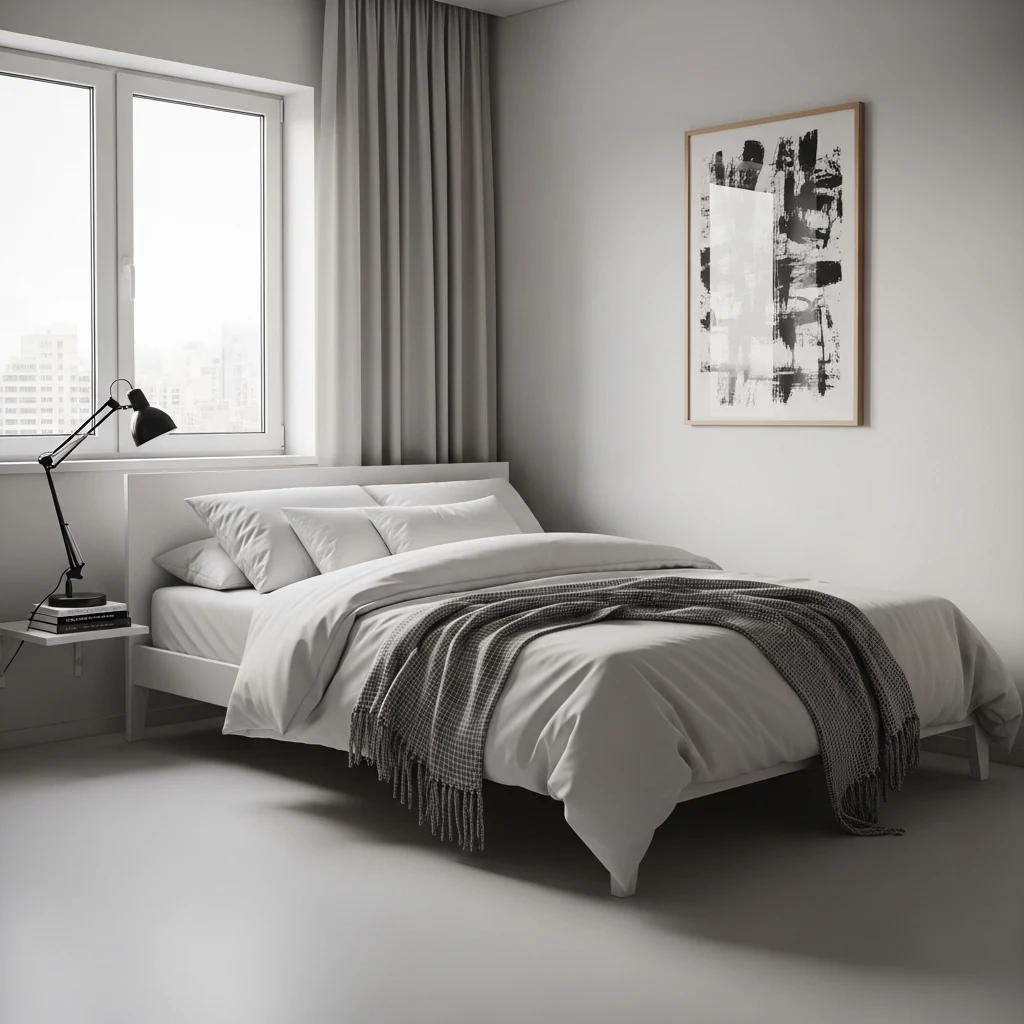
Let’s be honest again. Half the problem isn’t the room size. It’s the stuff.
Keep Only What You Actually Use
Ask yourself:
- Do I use this weekly?
- Does it have a purpose?
- Would I buy this again today?
If the answer is no, it’s probably just taking up space.
A clutter-free room always feels bigger. No layout trick can beat that.
Lighting Can Make or Break the Room
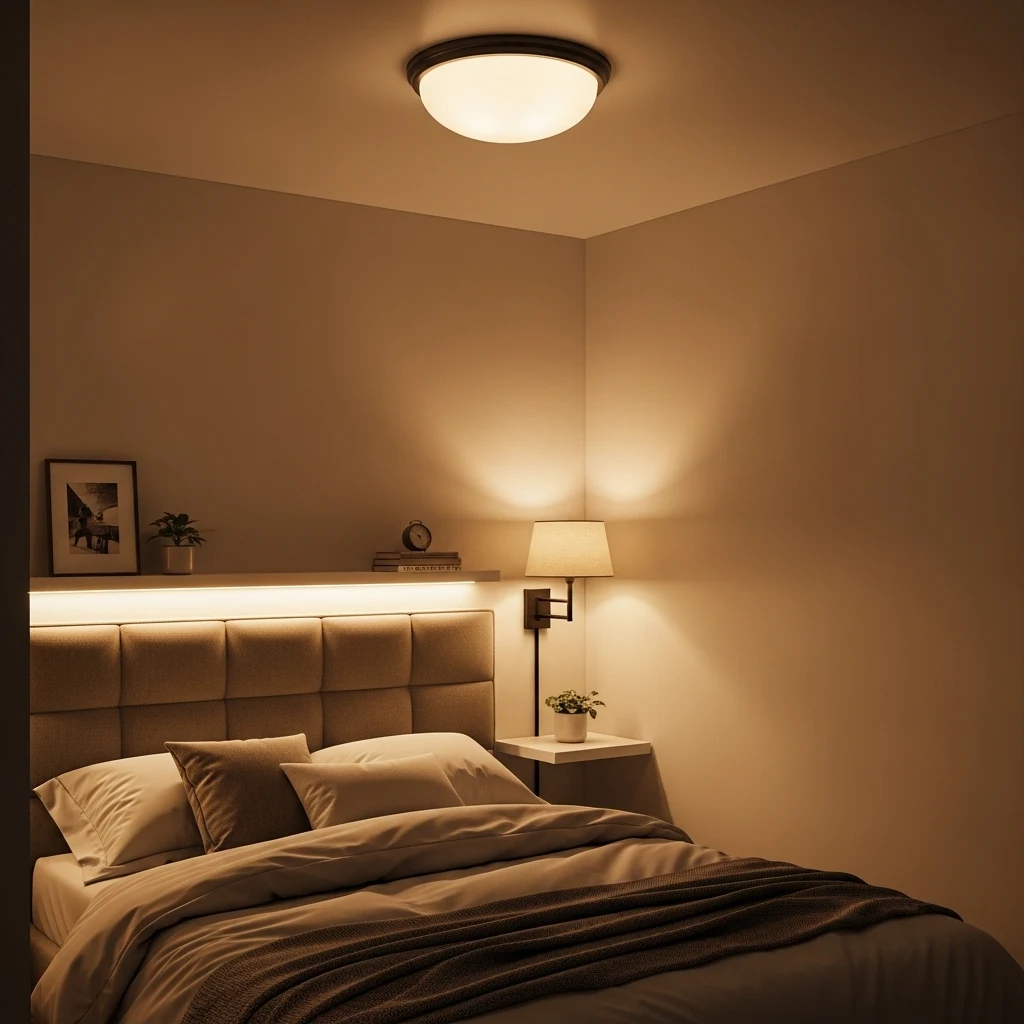
Bad lighting makes even a good layout feel off.
Layer Your Lighting
Use a mix of:
- Overhead lighting
- Bedside lighting
- Accent lighting
Wall sconces or pendant lights work great in small spaces. They free up surface area and look stylish.
Ever noticed how hotel rooms feel spacious even when they’re not? Lighting plays a big role.
Shop Space-Saving Wall Sconces And Pendant Lights
Personal Touch Without Overcrowding
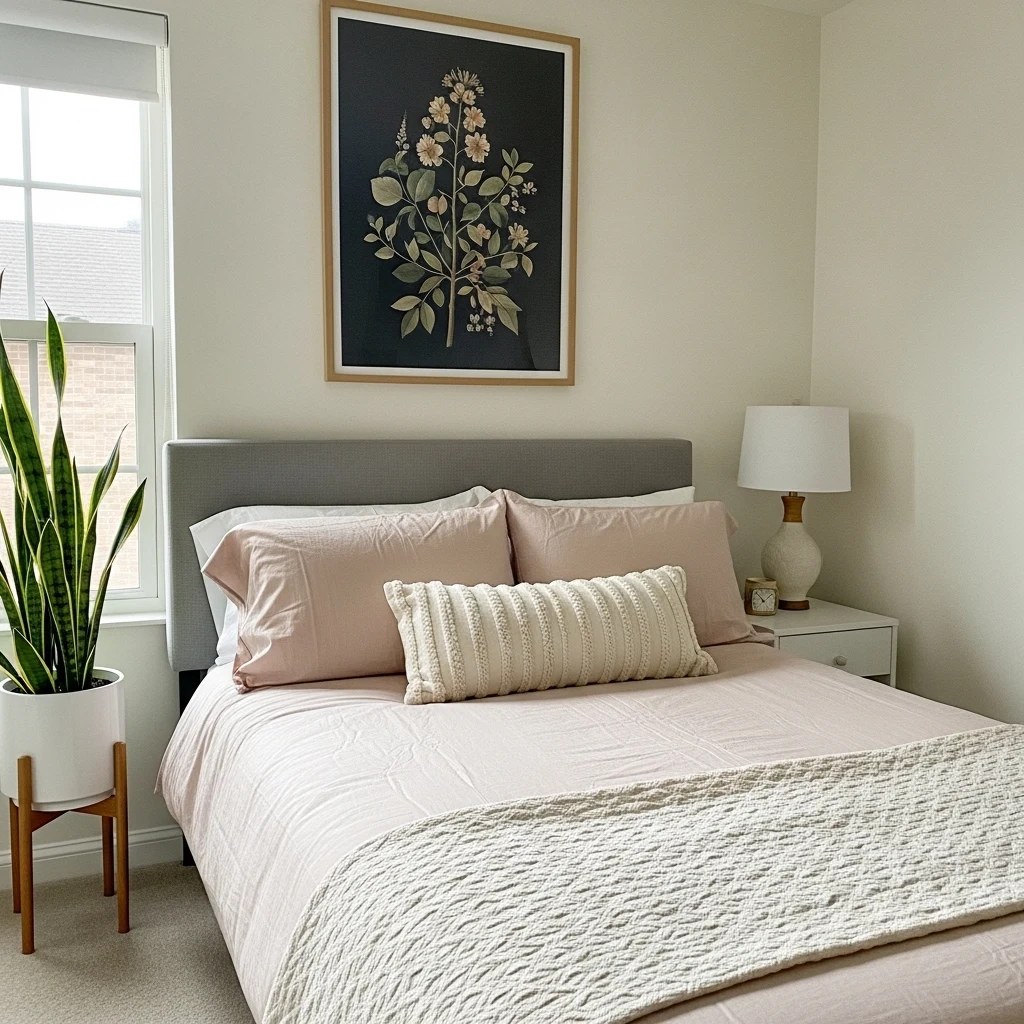
You still want your room to feel like yours, not a showroom.
Keep Decor Simple but Intentional
- One or two pieces of wall art
- A small plant or two
- Clean, coordinated bedding
Less really is more here. You don’t need ten pillows to prove a point.
Common Mistakes You Should Avoid
Let me save you some frustration.
- Pushing furniture against every wall thinking it creates space
- Using bulky headboards that eat visual space
- Ignoring vertical storage opportunities
- Overdecorating and crowding the room
I made at least two of these mistakes. My room looked busy, not cozy.
Final Thoughts
A small bedroom layout with a queen bed that actually works comes down to smart choices, not magic tricks. Place your bed strategically, use vertical space, pick the right furniture, and keep things simple.
You don’t need a bigger room. You need a better plan.
So take a look at your space and ask yourself one question. What can I remove, move, or rethink today to make this room work better?
Start there. Your future self will thank you.
How Do You Fit a Queen Bed in a Small Bedroom?
Fitting a queen bed in a small bedroom requires smart placement and minimal furniture.
Place the bed against the longest wall or tuck it into a corner if space is tight. This creates more walking space and improves flow.
Next, cut down on bulky furniture. Opt for slim nightstands or use wall-mounted shelves instead. Keep it simple. Make the bed the focus, letting everything else support it, not compete.
Should a Queen Bed Be Against the Wall in a Small Room?
Yes, sometimes that’s the best choice. Placing a queen bed against a wall or in a corner can maximize floor space. This is especially useful in narrow rooms where every inch counts.
You may lose access from both sides, but you gain an open layout. If you prefer space over symmetry, this setup is great. Ask yourself: Do you want convenience or breathing room?
What Is the Best Layout for a Small Bedroom With a Queen Bed?
The best layout depends on your room shape, but a few options consistently work:
- Centered layout for balanced spaces
- Corner layout for tight rooms
- Minimalist layout for very small bedrooms
Each option focuses on keeping walkways clear and reducing clutter. If you can move around without bumping into furniture, you’re already winning.
How Much Space Do You Need Around a Queen Bed?
You should aim for at least 24 inches of walking space around the bed. This lets you move easily and keeps the room open.
If your room can’t accommodate that, focus on one clear pathway, typically from the door to the bed. It doesn’t have to be perfect. Just ensure the layout isn’t like an obstacle course.
What Furniture Works Best in a Small Bedroom With a Queen Bed?
You want furniture that saves space and does more than one job. Think:
- Storage beds with drawers
- Floating nightstands or shelves
- Wall-mounted lighting
- Slim wardrobes or vertical storage units
Every piece should earn its place. If it looks nice but wastes space, it’s not helping you. Keep it functional, simple, and intentional.