How to Clean an Upholstered Bed Frame Easily
Upholstered bed frames look great, until they don’t. One day, your bed feels like a luxury hotel. The next, you spot dust, stains, and that mysterious mark that wasn’t there before. Sound familiar?
I’ve faced this more times than I can count. Yes, I once let a stain sit so long it became part of the design. Not my best moment. The good news is that cleaning an upholstered bed frame is easier than it seems. You just need the right approach and some consistency.
Why Upholstered Bed Frames Get Dirty So Fast
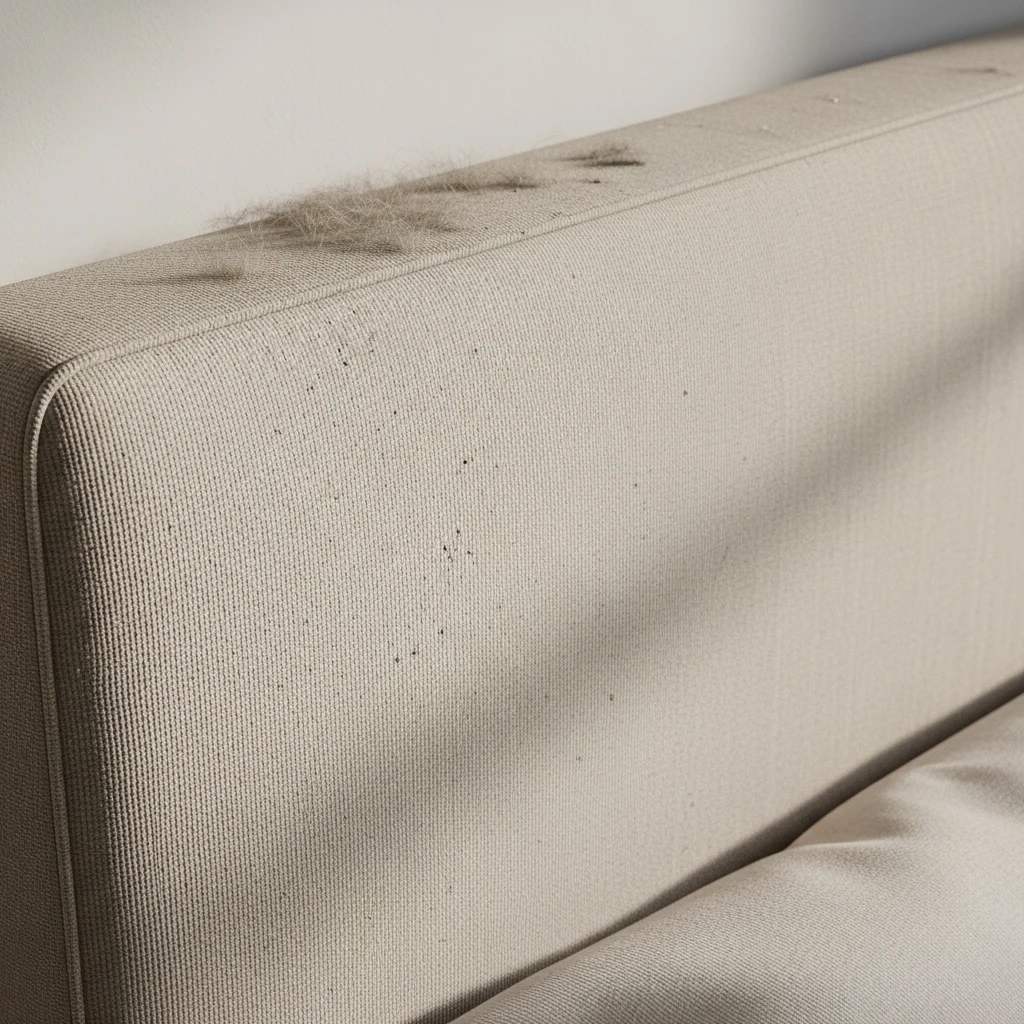
Ever wondered why your bed frame collects dirt faster than the rest of your room? It’s not just bad luck.
Fabric attracts everything. Dust, body oils, pet hair, and even tiny food crumbs if you enjoy late-night snacks. Don’t worry, I won’t judge. I’ve been there.
Here’s what usually builds up:
- Dust and allergens from the air
- Body oils and sweat from daily use
- Pet fur and dander if you have furry companions
- Accidental spills and stains from drinks or skincare products
The soft fabric acts like a magnet, which means regular cleaning is not optional if you want it to stay fresh.
What You’ll Need Before You Start
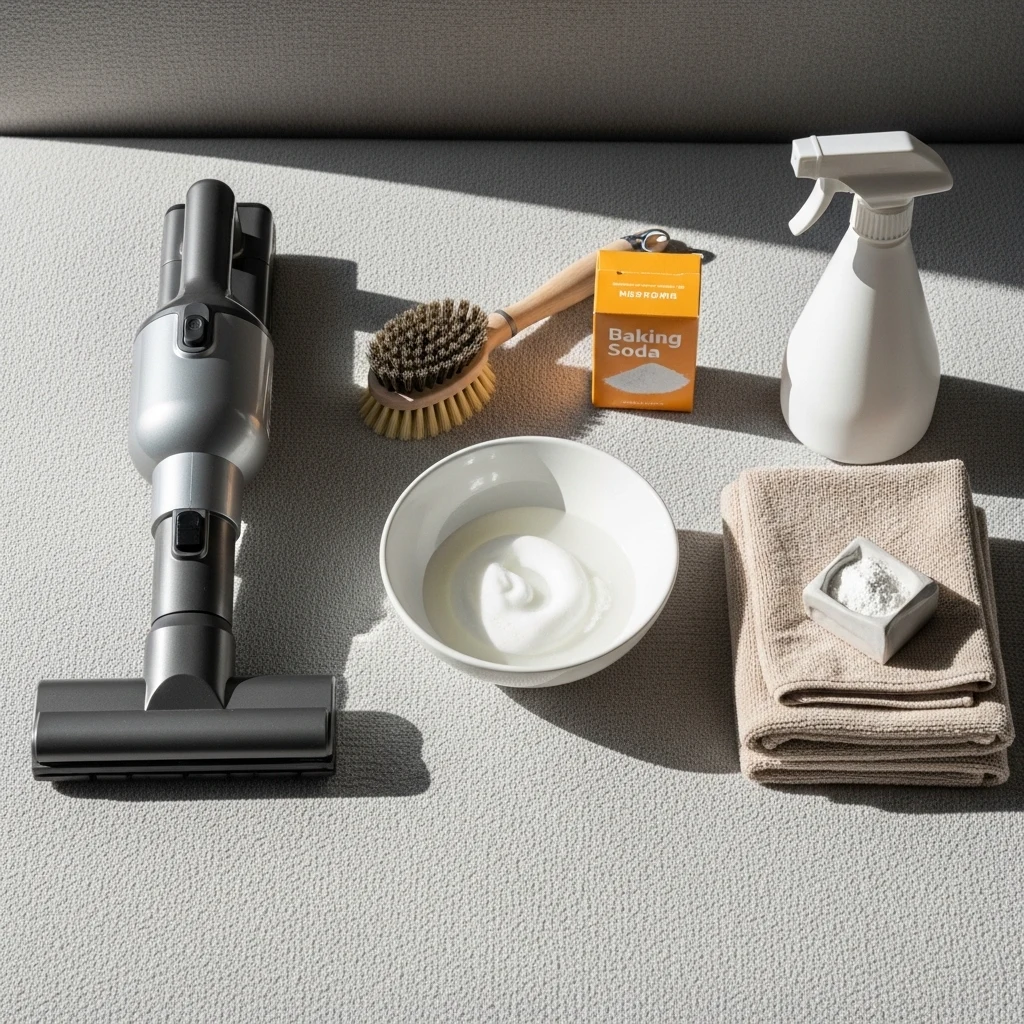
Before you jump in, grab a few basic tools. You probably already have most of them at home.
Essential Cleaning Supplies
- Vacuum cleaner with upholstery attachment
- Soft-bristle brush or clean cloth
- Mild detergent or fabric cleaner
- Warm water
- Spray bottle
- Baking soda
- Microfiber cloths
Keep it simple. You don’t need fancy products to get great results.
Shop Essential Upholstery Cleaning Tools
Step-by-Step Guide to Cleaning Your Upholstered Bed Frame
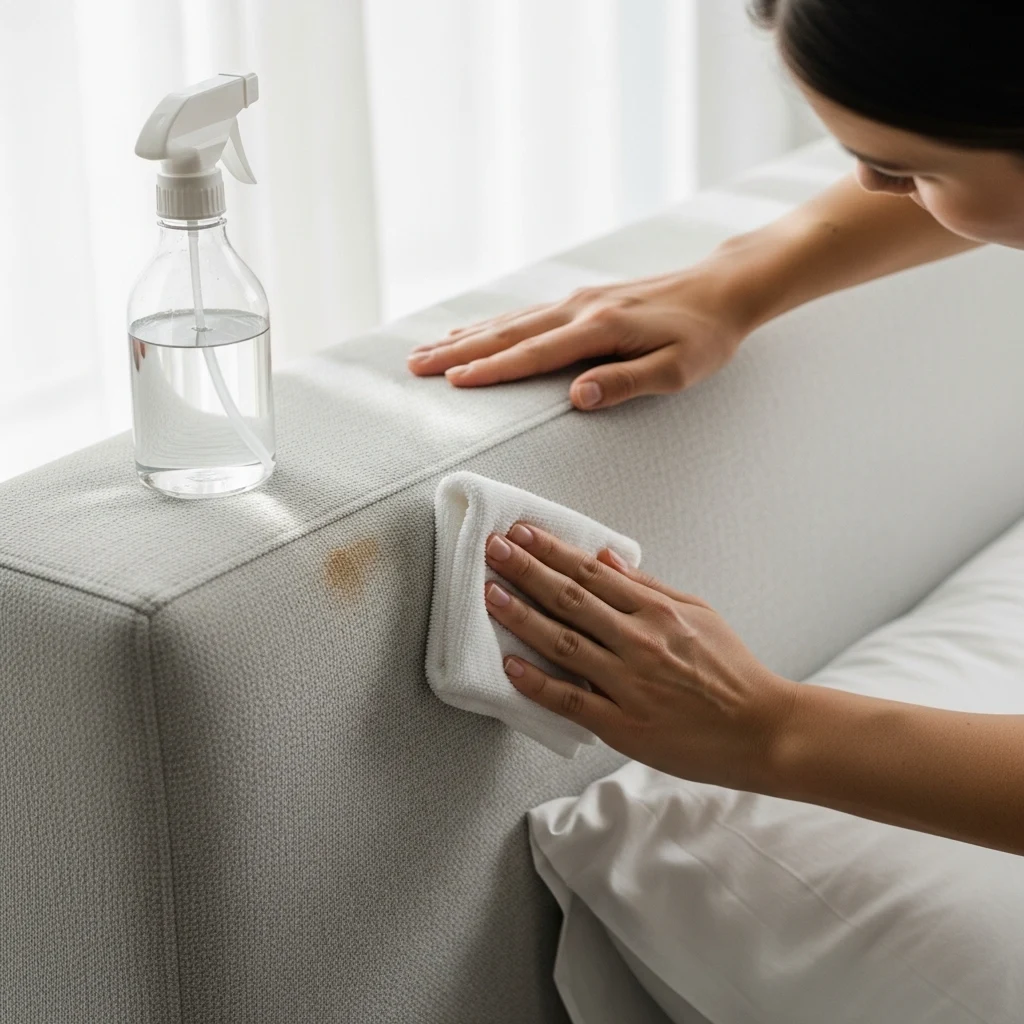
Let’s break this down into simple steps. No complicated routines, just practical cleaning that works.
Step 1: Vacuum Thoroughly
Start with a good vacuum session. Yes, this step matters more than you think.
Use the upholstery attachment and go over every surface:
- Headboard
- Side rails
- Corners and seams
Focus on crevices where dust hides. Those sneaky spots collect the most dirt.
Think vacuuming is optional? Try skipping it once and see how much dirt turns into mud when you add moisture. Not fun.
View Best Vacuum For Upholstery Cleaning
Step 2: Spot Check Before Cleaning
Before you apply any cleaner, test it on a hidden area.
Why? Because not all fabrics react the same way. Some may fade or discolor.
Always do a patch test first. It takes one minute and saves you from a bigger headache later.
Step 3: Remove Light Stains
For minor stains, keep things gentle.
Mix a small amount of mild detergent with warm water. Dip a cloth into the solution and wring it out well.
Then:
- Dab the stain gently
- Avoid rubbing aggressively
- Work from the outside toward the center
Blotting works better than scrubbing. Scrubbing spreads the stain and damages the fabric.
Ever tried scrubbing and made things worse? Yeah, same here.
Shop Fabric Safe Upholstery Cleaner
Step 4: Deep Clean the Fabric
If your bed frame looks dull or hasn’t been cleaned in a while, go for a deeper clean.
Lightly spray your cleaning solution onto the fabric. Do not soak it.
Then:
- Use a soft brush or cloth
- Clean in small sections
- Wipe gently in circular motions
Less water is more. Over-wetting can damage the padding underneath.
Step 5: Deodorize with Baking Soda
Let’s talk about smell. Fabric holds odors longer than you expect.
Sprinkle baking soda over the entire surface and let it sit for at least 30 minutes.
Then vacuum it off.
This step removes odors naturally and leaves your bed smelling fresh.
Simple, effective, and no weird chemical scent. Who doesn’t want that?
Buy Baking Soda For Deep Cleaning
Step 6: Let It Dry Properly
After cleaning, allow your bed frame to air dry completely.
- Open windows for ventilation
- Use a fan if needed
- Avoid direct heat like hair dryers
Patience matters here. Using the bed too soon traps moisture and creates odors.
How to Handle Tough Stains
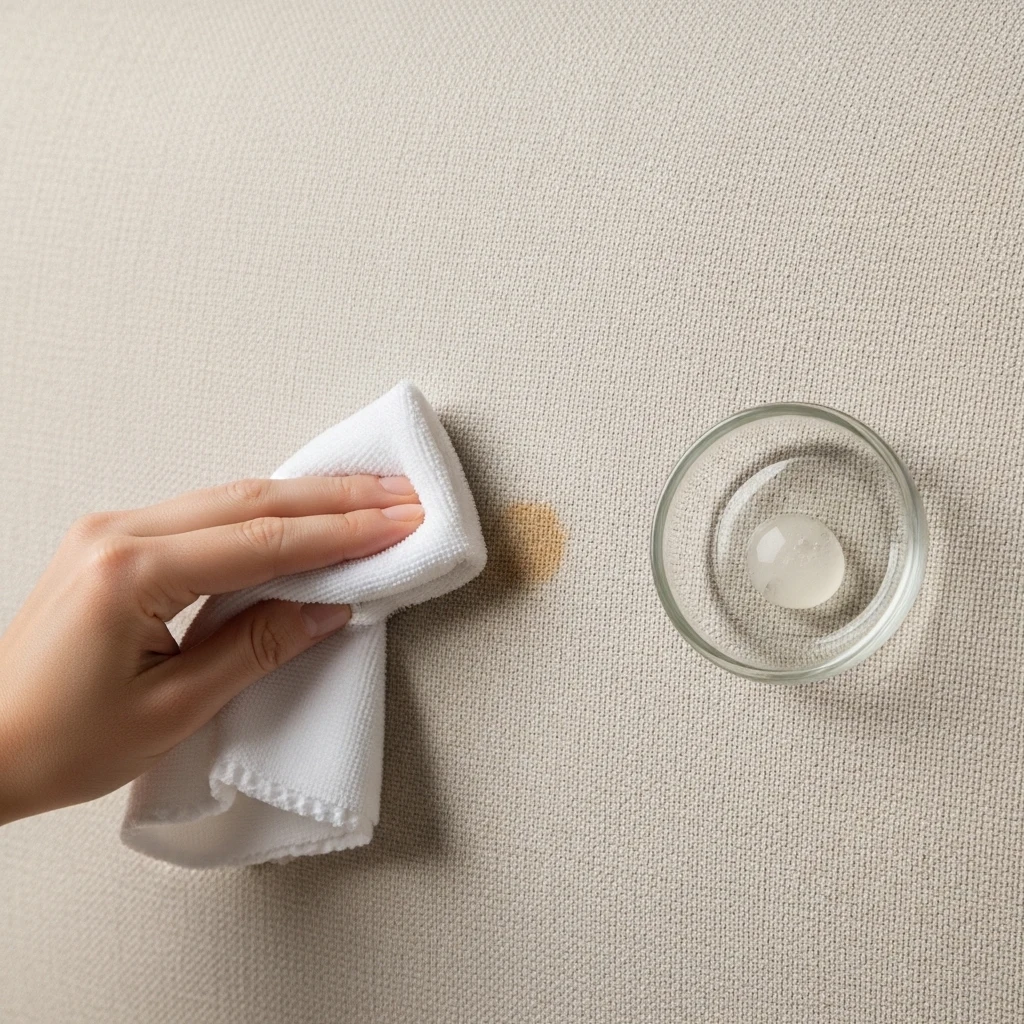
Some stains don’t go quietly. Coffee spills, ink marks, or mystery stains from who-knows-what can be stubborn.
So what do you do?
For Oil-Based Stains
Use a small amount of dish soap.
- Apply gently to the stain
- Blot with a damp cloth
- Repeat if necessary
Dish soap cuts through grease effectively.
See Powerful Upholstery Stain Removers
For Water-Based Stains
Think juice, soda, or sweat marks.
- Use a vinegar and water mix
- Dab lightly
- Blot dry
Vinegar helps break down residue and neutralize odors.
For Stubborn or Old Stains
If the stain refuses to leave, consider a fabric-specific cleaner.
But here’s the truth. Sometimes, old stains become permanent residents. If that happens, don’t stress too much.
Or do what I once did. Flip the mattress and pretend you never saw it. Not ideal, but very relatable.
Maintenance Tips to Keep It Clean Longer
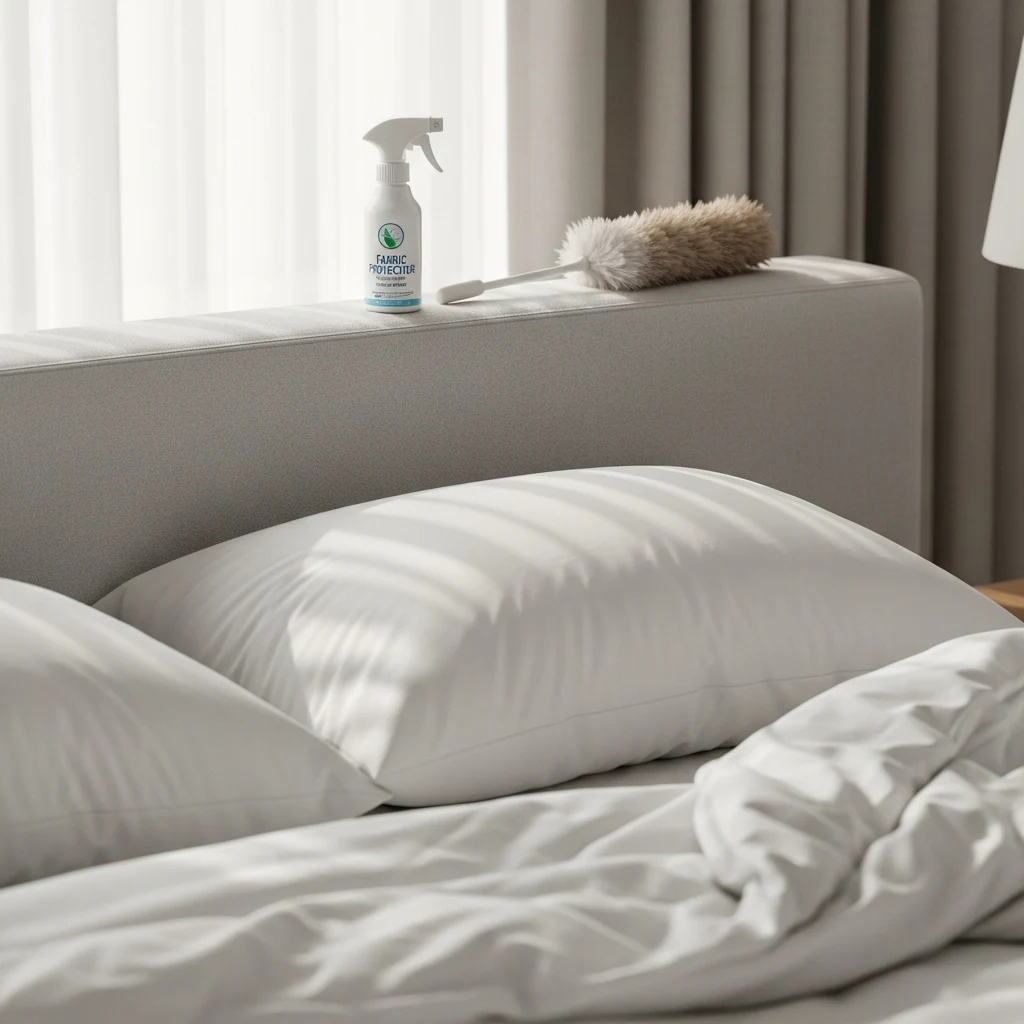
Cleaning once feels great. Cleaning every week? Not so much. Let’s make your life easier.
Simple Habits That Make a Big Difference
- Vacuum weekly to prevent buildup
- Keep food and drinks away from the bed
- Use a fabric protector spray
- Brush off dust regularly
These small steps reduce the need for deep cleaning.
Rotate and Check Regularly
Inspect your bed frame every couple of weeks.
Look for:
- Dust buildup
- New stains
- Loose fabric areas
Early action saves time later.
Ever noticed how small stains become big problems when ignored? Exactly.
Common Mistakes to Avoid
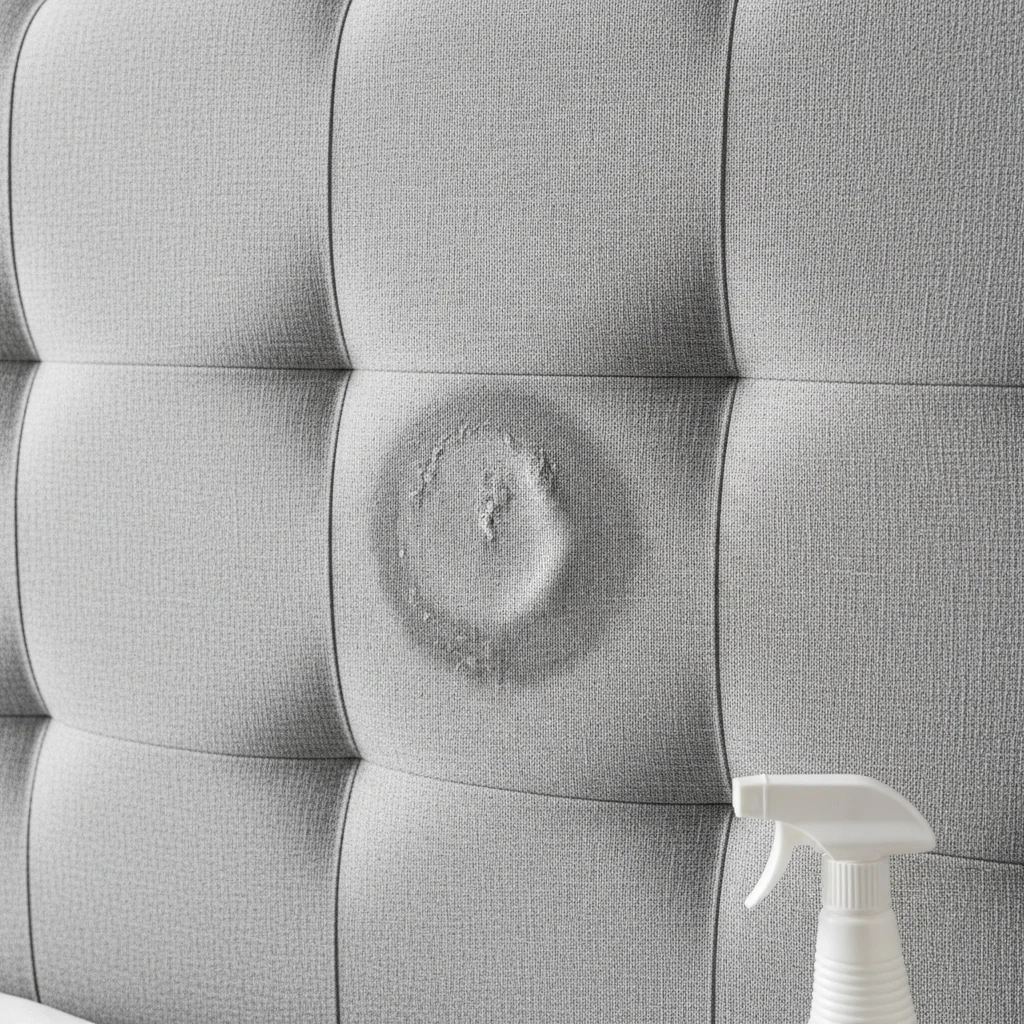
Let’s save you from the usual cleaning disasters.
Avoid These at All Costs
- Using too much water which can damage the frame
- Scrubbing aggressively which ruins fabric texture
- Skipping vacuuming before cleaning
- Using harsh chemicals without testing
These mistakes turn a simple cleaning job into a bigger problem.
And yes, I’ve made at least two of these mistakes myself.
When to Call a Professional
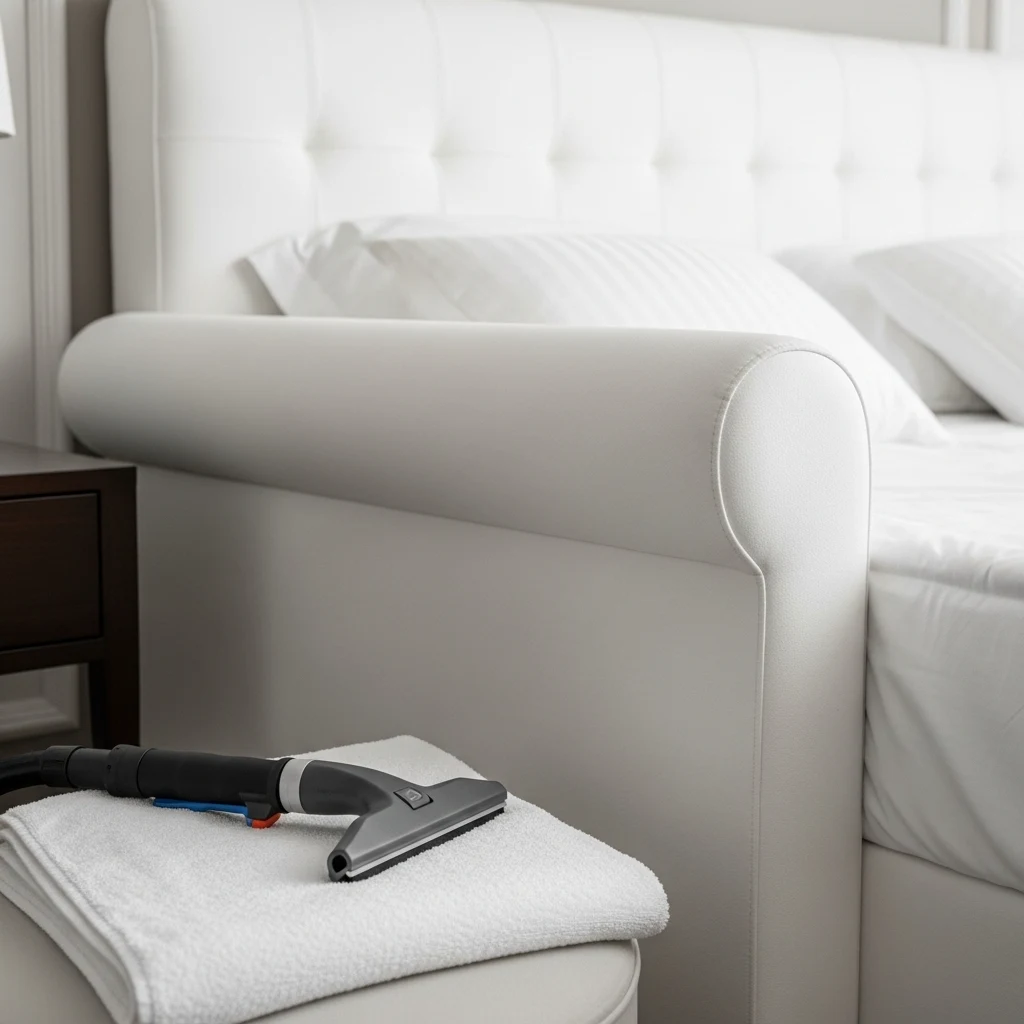
Sometimes, DIY cleaning doesn’t cut it.
You should consider professional cleaning if:
- The fabric is delicate or expensive
- Stains cover a large area
- Odors won’t go away
Professionals use specialized tools and solutions that go deeper than home cleaning.
But for regular maintenance, you’ve got this handled.
Get A Complete Upholstery Cleaning Kit
Final Thoughts

Cleaning an upholstered bed frame doesn’t require magic. It just needs consistency and the right technique. Vacuum regularly, treat stains early, and avoid overdoing the water.
You don’t need to spend hours or buy expensive products. A simple routine keeps your bed looking fresh and inviting.
So next time you spot a stain, don’t ignore it like I once did. Grab your supplies and handle it right away. Your future self will thank you.
What Is The Best Way To Clean An Upholstered Bed Frame?
The best way to clean an upholstered bed frame starts with thoroughly vacuuming to remove dust, dirt, and hidden debris. This stops dirt from turning into mud when you add moisture later.
Next, use a mild detergent mixed with warm water to spot clean any stains. Always blot instead of scrubbing to avoid damaging the fabric.
Once the surface looks clean, use baking soda to remove odors and refresh the fabric. Let it sit for about 30 minutes before vacuuming it off.
This simple routine keeps your bed frame clean without risking damage. It works just as well as many expensive cleaning products.
How Often Should You Clean An Upholstered Bed Frame?
You should vacuum your upholstered bed frame at least once a week. This prevents dust, allergens, and pet hair from building up.
Regular vacuuming keeps the fabric fresh and reduces the need for deep cleaning. If you skip this, dirt will settle into the fibers and be harder to remove later.
For deeper cleaning, aim for every one to three months, depending on use. If you have pets or allergies, or if spills are common, clean it more often.
Consistent light cleaning helps you avoid stubborn stains later.
Can I Use Water To Clean My Upholstered Bed Frame?
Yes, you can use water, but be careful. Always mix a small amount of water with a mild cleaning solution instead of soaking the fabric.
Too much moisture can seep into the padding, causing odors or even mold over time.
The key is to lightly dampen a cloth and gently blot the fabric instead of applying water directly.
This method gives you control and protects the material. If you’re unsure, test a small hidden area first to avoid any unexpected discoloration.
How Do You Remove Odors From A Fabric Bed Frame?
One of the easiest ways to remove odors is to use baking soda as a natural deodorizer. Just sprinkle a generous layer over the fabric and let it sit for at least 30 minutes.
This gives the baking soda time to absorb unwanted smells.
Next, vacuum the surface well to remove all residue. If the odor remains, you can repeat the process or combine it with light cleaning using a mild solution.
This method keeps your bed frame fresh without using strong chemical sprays.
What Should I Avoid When Cleaning Upholstered Furniture?
Avoid common mistakes like using too much water, scrubbing too hard, or skipping a patch test. Excess water can harm the inner padding.
Scrubbing harshly weakens the fabric and spreads stains instead of removing them. These errors can create bigger problems than the dirt itself.
Also, stay away from harsh chemicals not meant for upholstery. Always pick gentle cleaning solutions and test them on a hidden spot first.
This careful approach protects your bed frame and helps it stay looking good for a long time.