Solid Wood vs Engineered Wood Bed Frame Which Is Better
Shopping for a bed frame seems easy until you reach a decision point. Solid wood or engineered wood? Suddenly, it feels like you need a carpentry degree just to choose.
I’ve been there, tapping on bed frames in stores, pretending to know what I was doing.
Let’s simplify this. I’ll guide you through both options as if we’re chatting over coffee. By the end, you’ll know which one suits your style, budget, and needs.
What Is a Solid Wood Bed Frame?
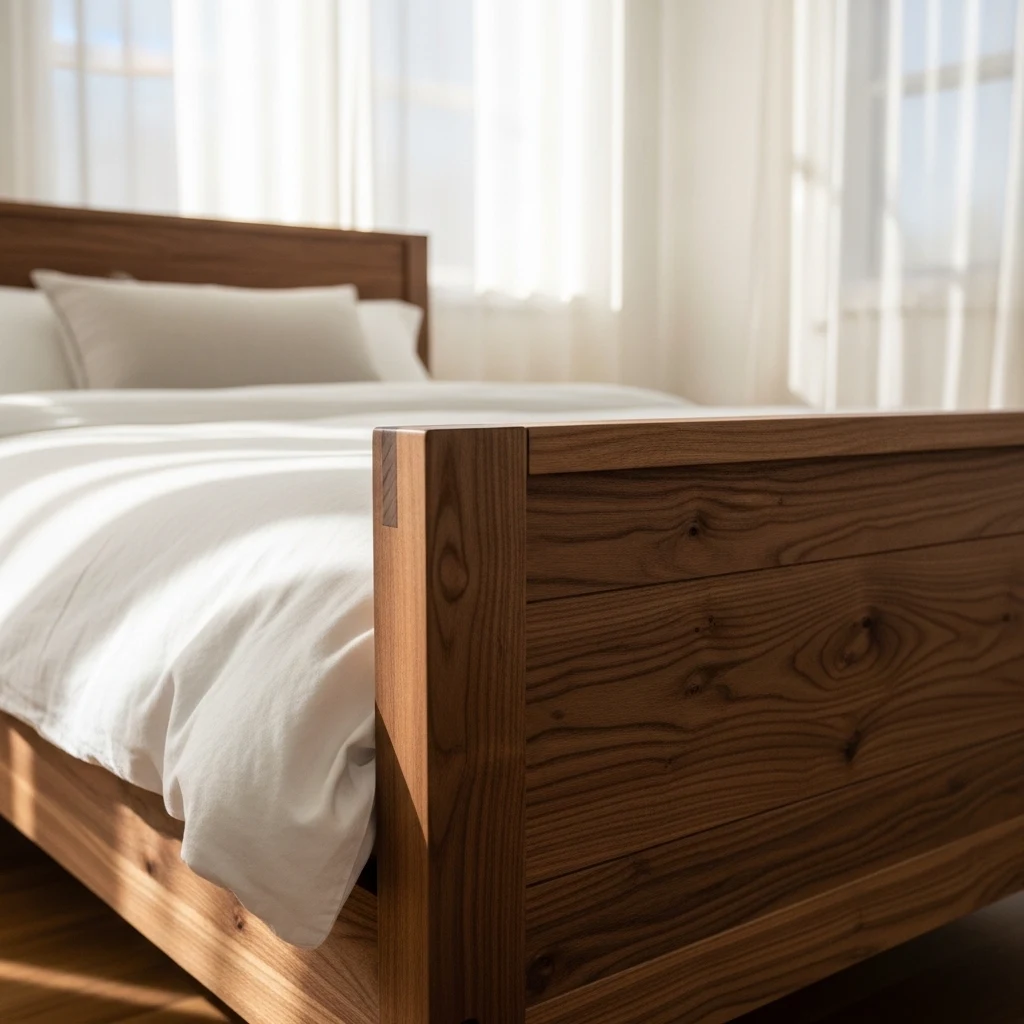
The Real Deal
A solid wood bed frame uses natural timber cut directly from trees. Think oak, pine, walnut, or mahogany. No shortcuts here.
I always describe solid wood as the “old-school reliable” option. It feels sturdy, looks authentic, and ages like fine wine if you treat it right.
Key Features of Solid Wood
- 100 percent natural material
- Strong and durable
- Unique grain patterns
- Heavier weight
- Higher price point
Ever noticed how solid wood furniture often becomes family heirlooms? That does not happen by accident.
Shop Durable Solid Wood Bed Frames
What Is an Engineered Wood Bed Frame?
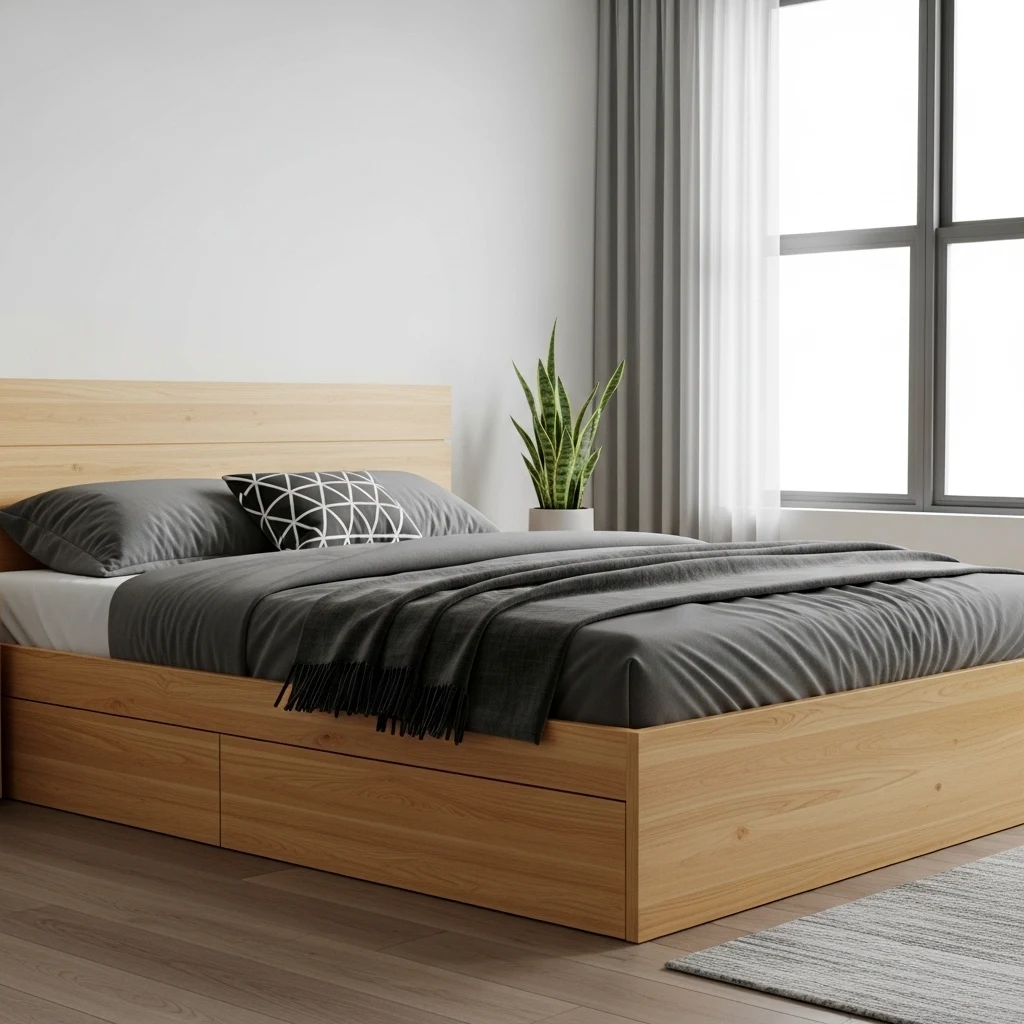
The Smart Alternative
Engineered wood combines wood fibers, particles, or veneers with adhesives to create a finished product. Common types include MDF, plywood, and particleboard.
I like to think of it as wood’s more affordable, practical cousin. It looks good, performs well, and does not drain your wallet.
Key Features of Engineered Wood
- Made from wood byproducts
- More affordable
- Lightweight and easier to move
- Uniform appearance
- Often laminated or veneered
Sounds convenient, right? But convenience always comes with trade-offs.
Shop Engineered Wood Bed Frames
Solid Wood vs Engineered Wood Bed Frame Which Is Better for Durability?
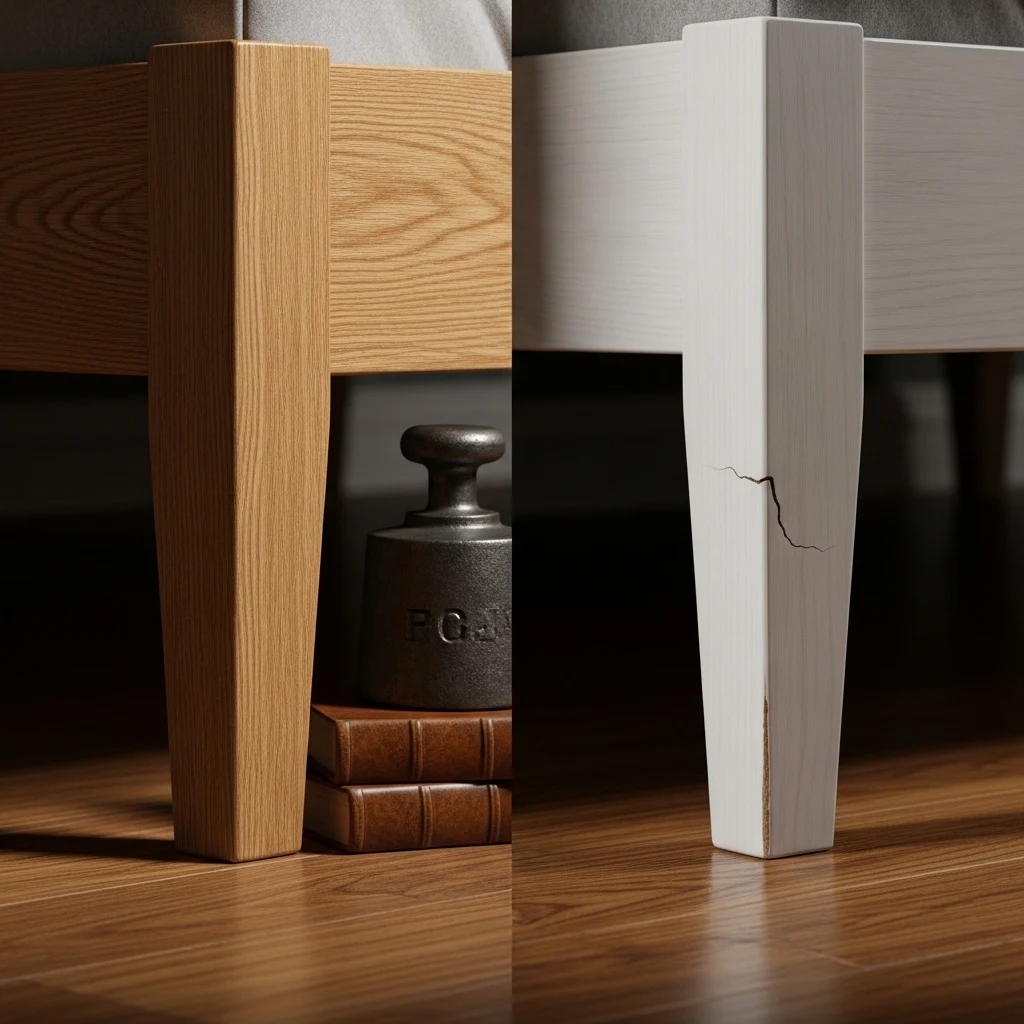
Let’s get straight to what most people care about. Will this thing last?
Solid Wood Durability
Solid wood wins this round without breaking a sweat.
- Handles heavy weight easily
- Resists wear over time
- Can last decades with proper care
- Can be repaired or refinished
I once owned a solid wood bed that survived three moves and still looked great. Try that with a flimsy frame.
Engineered Wood Durability
Engineered wood holds up well, but it has limits.
- Good for moderate use
- Can weaken with moisture exposure
- Harder to repair if damaged
- Shorter lifespan overall
So ask yourself this. Do you want something temporary or something that sticks around?
Appearance and Style Differences
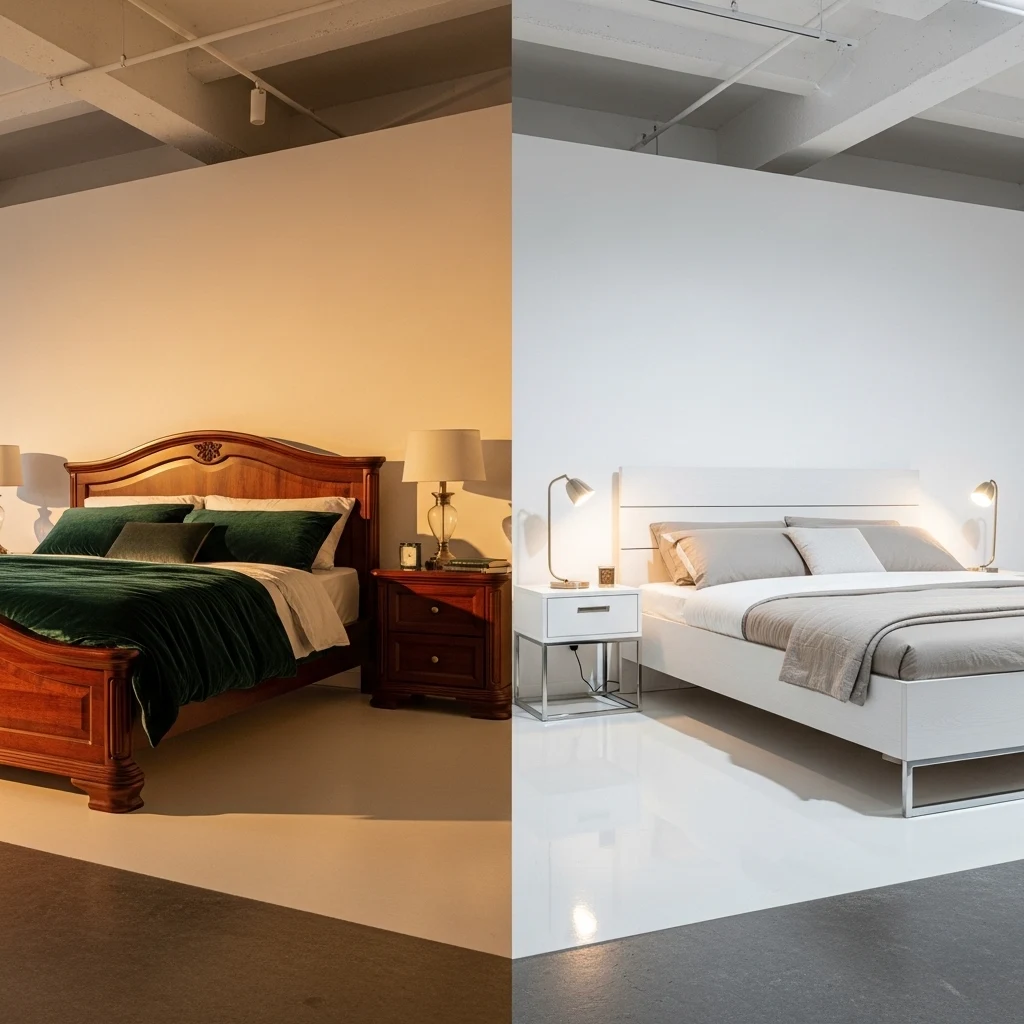
Let’s be honest. Looks matter. You see your bed every day.
Solid Wood Aesthetic
Solid wood offers natural beauty that feels warm and authentic.
- Rich grain patterns
- Unique imperfections
- Timeless appeal
Every piece tells a story. No two frames look exactly the same.
Engineered Wood Aesthetic
Engineered wood focuses on consistency and modern design.
- Smooth finishes
- Wide variety of colors
- Can mimic real wood
Sometimes it looks so good you cannot tell the difference. But sometimes it tries a little too hard. You know what I mean?
Price Comparison: Which One Saves You Money?
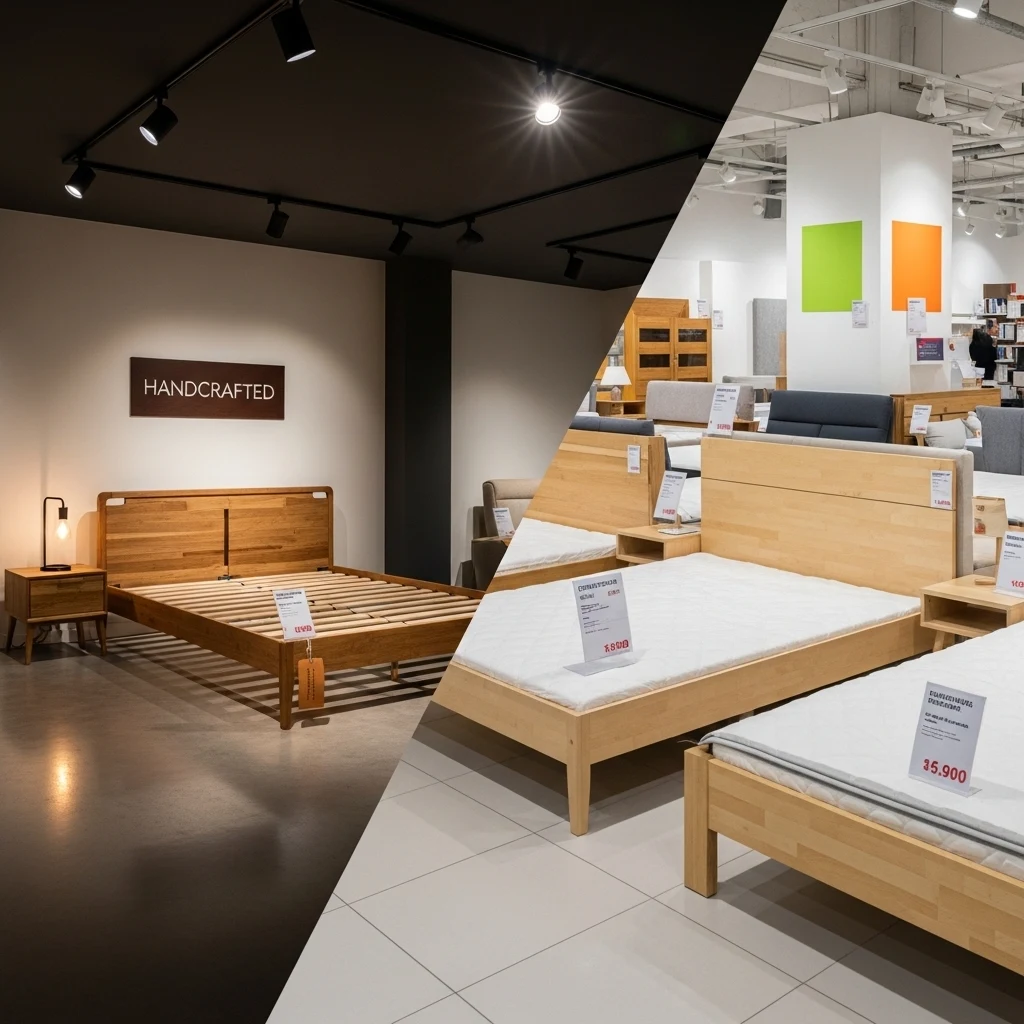
Let’s talk money because this decision often comes down to your budget.
Solid Wood Pricing
Solid wood costs more. No surprise there.
- Higher upfront investment
- Long-term value
- Less frequent replacement
You pay more now, but you might never need another bed frame again.
Engineered Wood Pricing
Engineered wood wins on affordability.
- Budget-friendly
- Great for short-term use
- Widely available
If you just moved out or need something quick, this option makes a lot of sense.
But here’s a question. Do you want cheap now or value over time?
Compare Bed Frame Prices on Amazon
Maintenance and Care
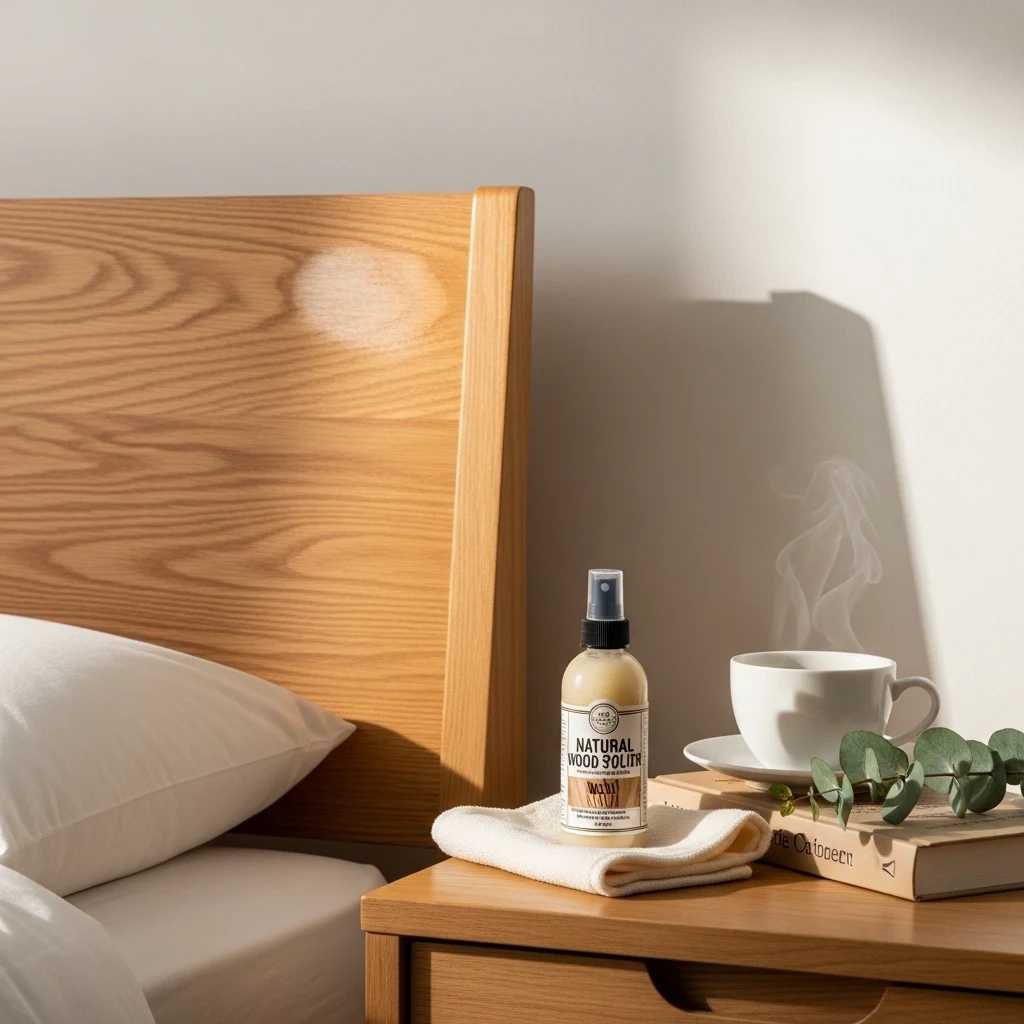
Nobody wants a high-maintenance bed frame. You just want to sleep, right?
Solid Wood Maintenance
Solid wood needs a little love.
- Occasional polishing
- Protection from moisture
- Avoid extreme temperature changes
I actually enjoy maintaining solid wood. It feels like taking care of something valuable.
Engineered Wood Maintenance
Engineered wood keeps things simple.
- Easy to clean
- Resists warping better in some conditions
- Sensitive to water damage
Spill water on it often, and you will regret it. Trust me.
Shop Low Maintenance Bed Frames
Weight and Mobility
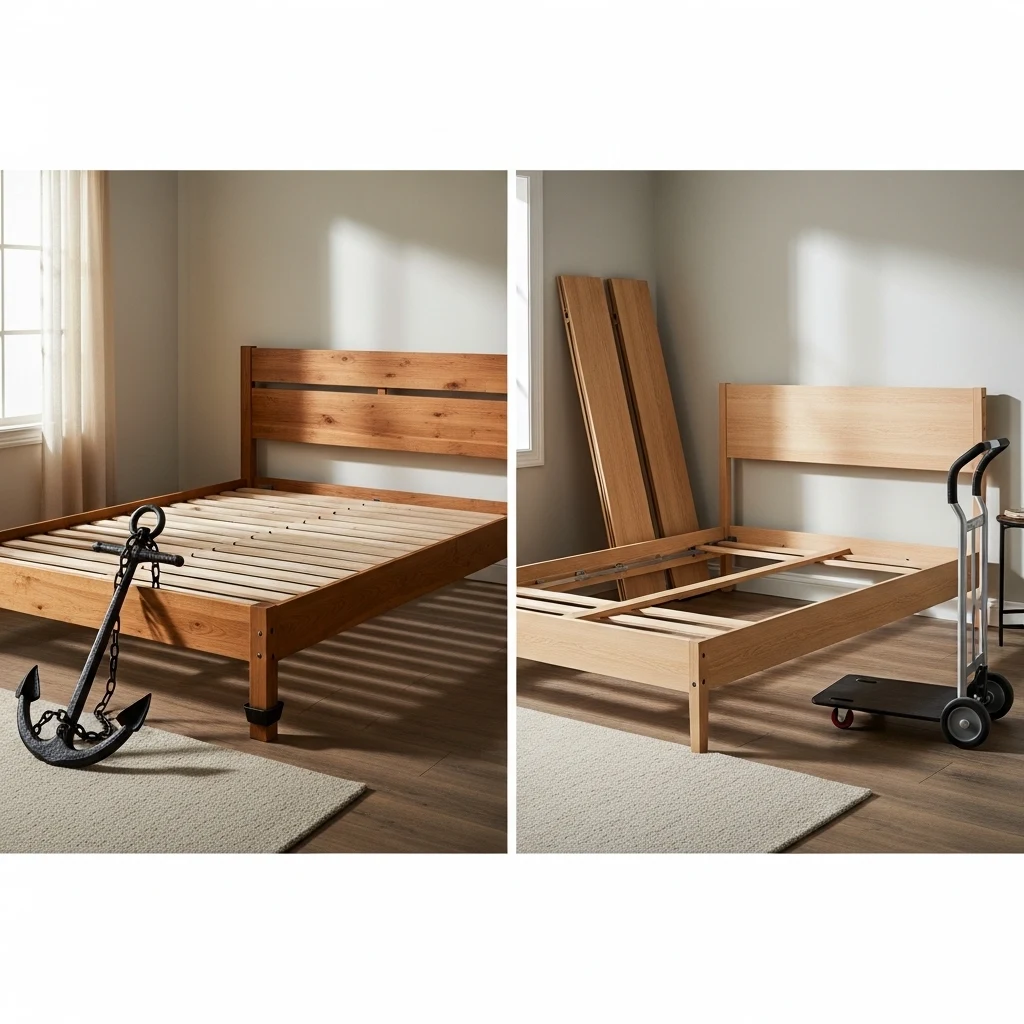
Ever tried moving a bed frame up a staircase? That experience changes your perspective fast.
Solid Wood Weight
- Heavy and sturdy
- Harder to move
- More stable once placed
Once you set it up, you will not want to move it again anytime soon.
Engineered Wood Weight
- Lightweight
- Easy to transport
- Better for renters
If you move often, engineered wood feels like a blessing.
Environmental Impact
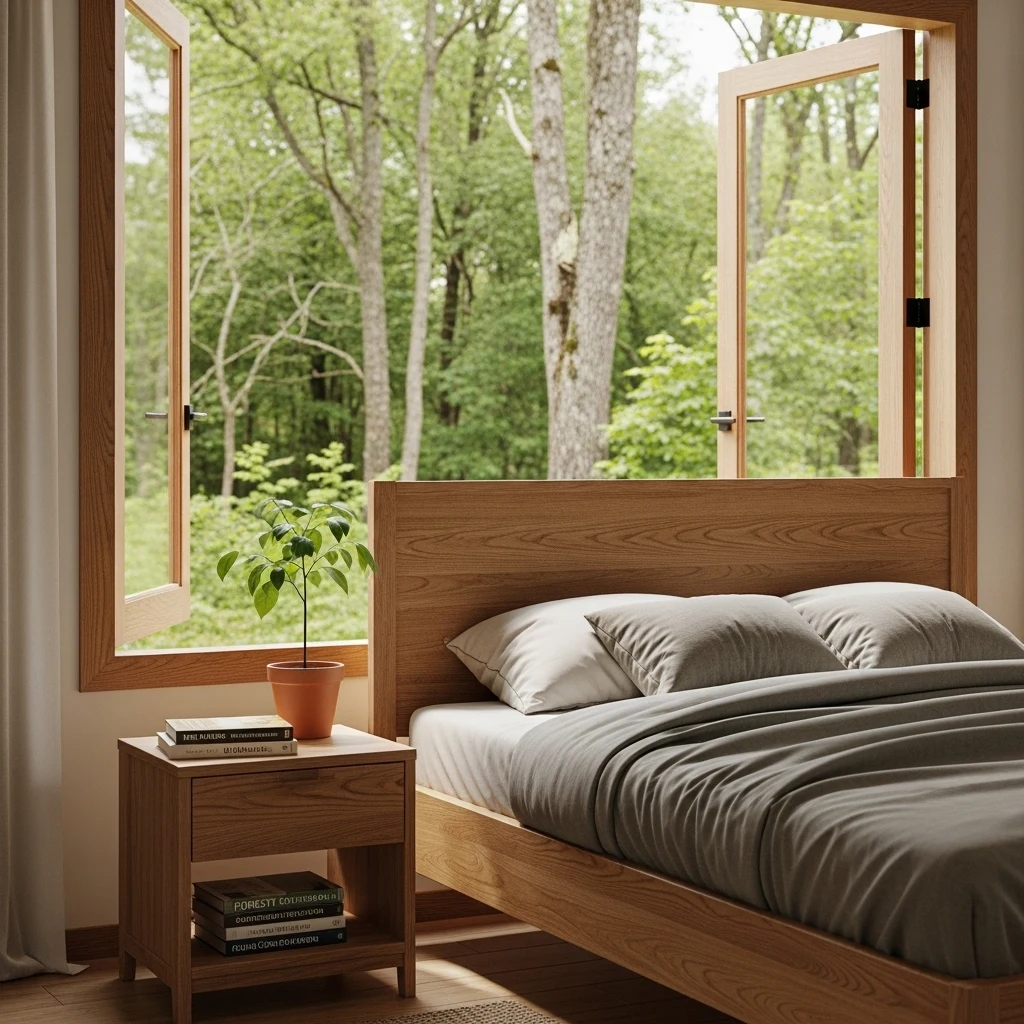
Let’s talk about sustainability for a second.
Solid Wood Impact
Solid wood can be eco-friendly if sourced responsibly.
- Biodegradable
- Long lifespan reduces waste
- Requires responsible forestry
Engineered Wood Impact
Engineered wood uses recycled materials, which sounds great.
- Reduces wood waste
- Uses adhesives and chemicals
- May not last as long
So which one feels greener? That depends on how you look at it.
Pros and Cons Breakdown
Let’s simplify everything into quick lists.
Solid Wood Bed Frame Pros
- Extremely durable
- Timeless appearance
- Long lifespan
- Repairable
Solid Wood Bed Frame Cons
- Higher cost
- Heavy to move
- Requires maintenance
Engineered Wood Bed Frame Pros
- Affordable
- Lightweight
- Modern designs
- Low maintenance
Engineered Wood Bed Frame Cons
- Less durable
- Shorter lifespan
- Sensitive to moisture
- Harder to repair
Which One Should You Choose?
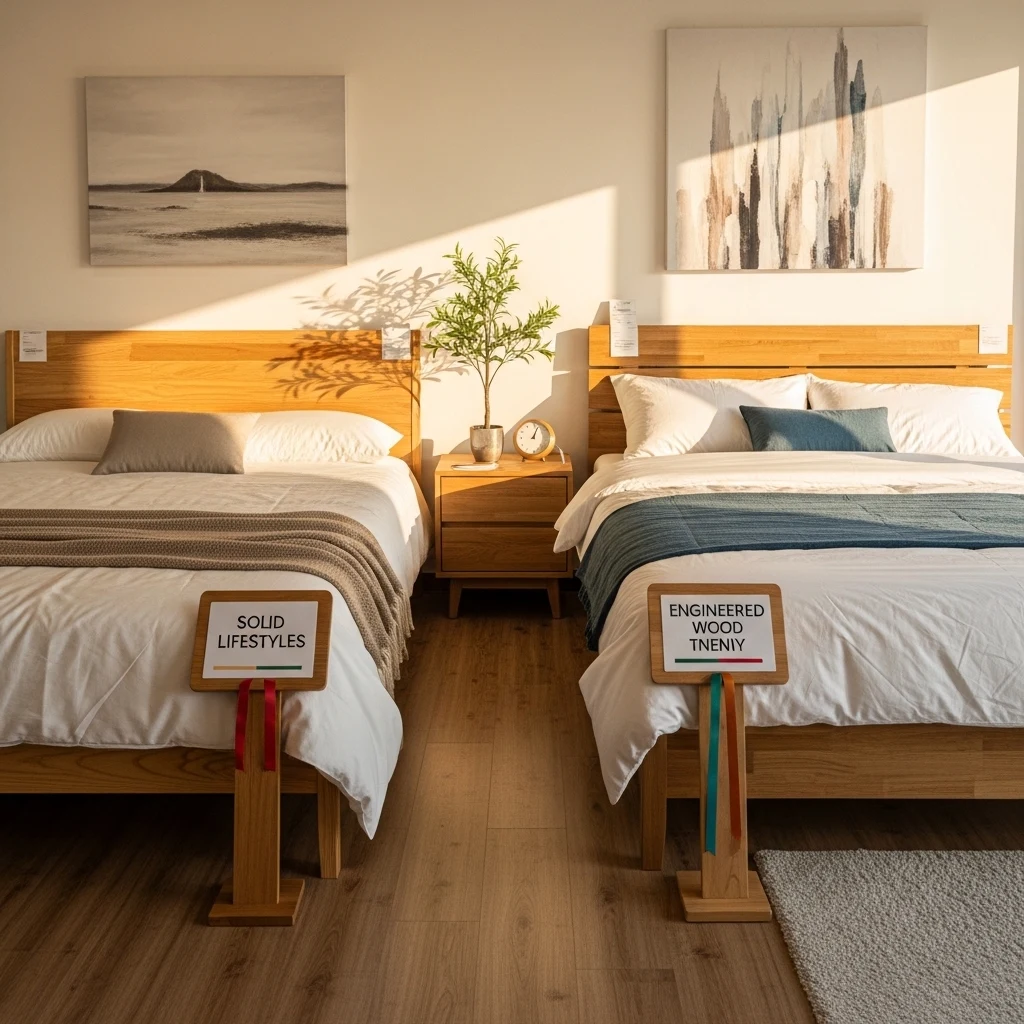
Now comes the real question. Which one is better for you?
Choose Solid Wood If:
- You want long-term durability
- You care about authentic aesthetics
- You prefer high-quality furniture
- You do not mind spending more upfront
Choose Engineered Wood If:
- You need a budget-friendly option
- You move frequently
- You want something lightweight and practical
- You do not need it to last decades
Still unsure? Let me make it simpler.
If you see your bed as a long-term investment, go solid wood. If you see it as a temporary solution, engineered wood works just fine.
Choose Your Ideal Bed Frame Today
My Honest Take
I lean toward solid wood. I like knowing my bed frame will not wobble after a year. I also appreciate that solid wood develops character over time.
That said, I have used engineered wood too. It did the job, looked good, and cost less. I just knew it had an expiration date.
So it really comes down to expectations. What do you want your bed frame to do for you?
Final Thoughts
So, solid wood vs engineered wood bed frame which is better? The answer depends on your priorities.
Solid wood offers strength, longevity, and timeless beauty. Engineered wood delivers affordability, convenience, and flexibility.
If you ask me, I would invest in solid wood if my budget allows it. But I would not hesitate to pick engineered wood for a temporary setup.
At the end of the day, you sleep on the mattress, not the frame. But the frame still matters more than people think.
So choose wisely. Your future self, the one enjoying a quiet, sturdy bed at night, will thank you.
Is A Solid Wood Bed Frame Better Than Engineered Wood?
A solid wood bed frame is often more durable and offers long-term value. It handles weight well and resists wear, making it a great investment for years.
Many also like its natural look, which adds warmth to a bedroom.
On the other hand, engineered wood has its benefits too. If you need an affordable option for short-term use, it can be a good choice.
Ultimately, your decision depends on how long you plan to use the bed and your budget.
How Long Do Engineered Wood Bed Frames Last?
Engineered wood bed frames usually last 5 to 10 years. This depends on their quality and usage.
Higher-quality materials like plywood last longer than particleboard or MDF, especially when shielded from moisture and heavy loads.
You can extend their lifespan with proper care. Keep the frame dry, avoid overloading, and assemble it correctly.
These steps can make a big difference. However, they often don’t last as long as solid wood frames.
Can Engineered Wood Look Like Solid Wood?
Yes, engineered wood can look like solid wood. This is especially true when high-quality veneers or laminates are used. Many modern designs appear sleek and stylish, so you might not notice the difference at first.
However, a closer look reveals that solid wood has more depth and natural variation. Engineered wood often looks more uniform. Some people love this, while others find it less authentic.
Which Bed Frame Is Better For Heavy Weight?
Solid wood bed frames handle heavy weight well. Their natural strength lets them support more pressure without bending or weakening. This makes them great for heavier mattresses or multiple sleepers.
Engineered wood can support weight too, but it has limits. Lower-quality materials may weaken quickly, especially under long-term stress. If strength is key for you, solid wood is the safer option.
Is Engineered Wood Bed Frame Good For Daily Use?
Engineered wood bed frames are great for daily use, especially if you pick a sturdy model. They offer good support for most sleepers and often have modern, space-saving designs that suit smaller rooms.
However, years of daily use can show their limits. Wear and tear may appear faster than with solid wood. If you need something that lasts longer without noticeable wear, consider upgrading to solid wood.