Signs It’s Time for a New Mattress
You know that feeling when you wake up more tired than when you went to bed? Your back aches, your neck is stiff, and you wonder if you wrestled in your sleep.
I’ve been there. Often, the real problem lies quietly beneath you. Your mattress might be asking for retirement.
Many people keep a mattress much longer than they should. Why? Because mattresses don’t wave a white flag.
They drop subtle hints instead. The key is spotting those signs it’s time for a new mattress before your sleep suffers.
Let’s discuss the signals your mattress gives when it’s had enough.
You Wake Up With Aches and Pains

Ever wake up and think, “Why does my back feel like I carried bricks all night?” Your mattress might answer that question.
Your Mattress Stops Supporting Your Body
A good mattress supports your spine and keeps your body aligned. Over time, materials inside the mattress wear down. Springs weaken, foam compresses, and suddenly your body sinks into odd positions.
Common warning signs include:
- Lower back pain in the morning
- Stiff shoulders or neck
- Pressure points in your hips
- Feeling sore even after a full night’s sleep
I once slept on an old mattress that felt fine at night but punished me every morning. When I replaced it, the difference shocked me. My back pain disappeared within a week.
Coincidence? I doubt it.
Check Top Rated Mattresses For Back Pain On Amazon
Your Mattress Looks Worn Out
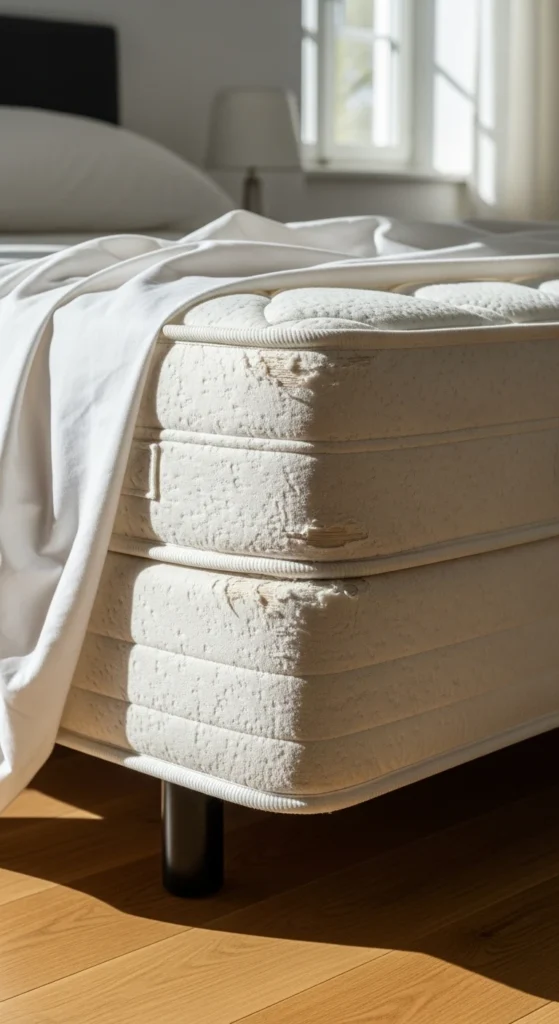
Sometimes the problem appears right in front of you.
Visible Sagging Or Indentations
Take a good look at your mattress. Do you see a dip where you usually sleep? Does the middle resemble a shallow valley?
Visible sagging ranks among the clearest signs it’s time for a new mattress.
Here are a few things to check:
- Permanent body impressions
- Sagging edges
- Uneven sleeping surface
- Lumps inside the mattress
A mattress should feel flat and supportive. If it resembles a worn couch cushion, your sleep probably suffers.
And let’s be honest. Nobody enjoys rolling toward the middle of the bed like gravity suddenly switched on.
See Highly Rated Mattresses With Strong Edge Support On Amazon
Your Mattress Makes Noise

A quiet mattress helps create peaceful sleep. An old mattress sometimes sounds like a rusty door hinge.
Creaking Springs And Strange Sounds
Traditional innerspring mattresses often develop noises after years of use. Springs shift, loosen, or weaken.
Listen for these clues:
- Creaking when you move
- Squeaking springs
- Popping sounds when you sit or lie down
Sure, your mattress does not need to stay completely silent. But if every movement creates a soundtrack, the internal support system probably struggles.
And if your bed squeaks loud enough to wake you up, the mattress definitely deserves a replacement.
You Sleep Better Somewhere Else

Here is a strange but common clue.
Hotel Beds Suddenly Feel Amazing
Have you ever slept in a hotel and thought, “Wow, this bed feels incredible”? Then you return home and your mattress suddenly feels terrible.
This situation often reveals a hidden problem.
If you consistently sleep better on other beds, your mattress may no longer support you properly.
Ask yourself a few questions:
- Do you fall asleep faster in hotels?
- Do you wake up without pain when traveling?
- Do you feel more refreshed away from home?
Your mattress might simply feel familiar, not comfortable.
Comfort and habit are not the same thing.
Your Mattress Is More Than 7 to 10 Years Old
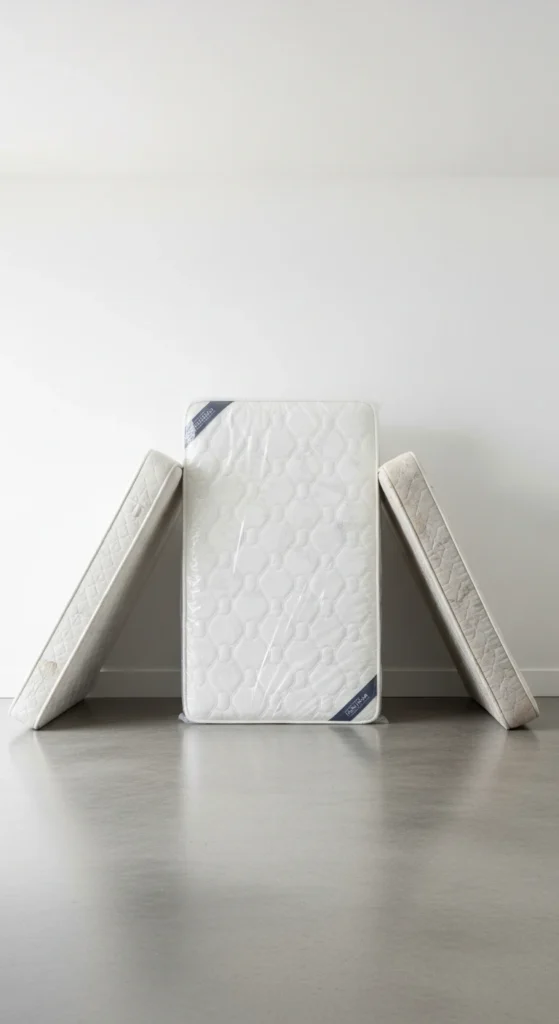
Time alone can signal trouble.
Mattress Lifespan Matters
Most mattresses last between 7 and 10 years depending on quality and materials. After that, performance usually declines.
Different types wear out at different speeds:
- Innerspring mattresses: 7 to 8 years
- Memory foam mattresses: 8 to 10 years
- Hybrid mattresses: 8 to 10 years
- Latex mattresses: up to 12 years with good care
Even if your mattress still looks fine, internal materials might break down. Foam loses resilience. Springs lose tension.
Think of it like running shoes. They may still look okay after years of use, but they no longer cushion your steps.
Your mattress works the same way.
Browse Popular Mattresses People Are Buying On Amazon
Allergies or Dust Issues Are Getting Worse

Let’s talk about something people rarely consider.
Mattresses Collect Dust Over Time
Your mattress collects a surprising amount of stuff over the years. Dust mites, skin cells, moisture, and allergens quietly build up.
Signs of a problem include:
- Waking up with sneezing or congestion
- Itchy eyes or throat
- Unexplained allergy flare-ups
- Dust when you move the mattress
Yes, that sounds unpleasant. Because it is.
Older mattresses often become a playground for dust mites. If your allergies worsen at night, replacing the mattress might solve the problem.
Suddenly breathing easier while sleeping feels like magic.
You Toss and Turn All Night

A restless night often points to a deeper issue.
Your Mattress No Longer Feels Comfortable
Comfort changes as mattresses age. Materials lose flexibility and pressure relief disappears.
You might notice:
- Frequent tossing and turning
- Difficulty finding a comfortable position
- Waking up multiple times during the night
- Feeling restless despite being tired
I remember lying on an old mattress and constantly shifting positions. I thought stress caused the problem. Turns out my mattress simply stopped supporting me.
Once I upgraded, I slept through the night again.
Funny how that works.
Explore Comfortable Memory Foam Mattresses On Amazon
Your Partner’s Movements Wake You Up
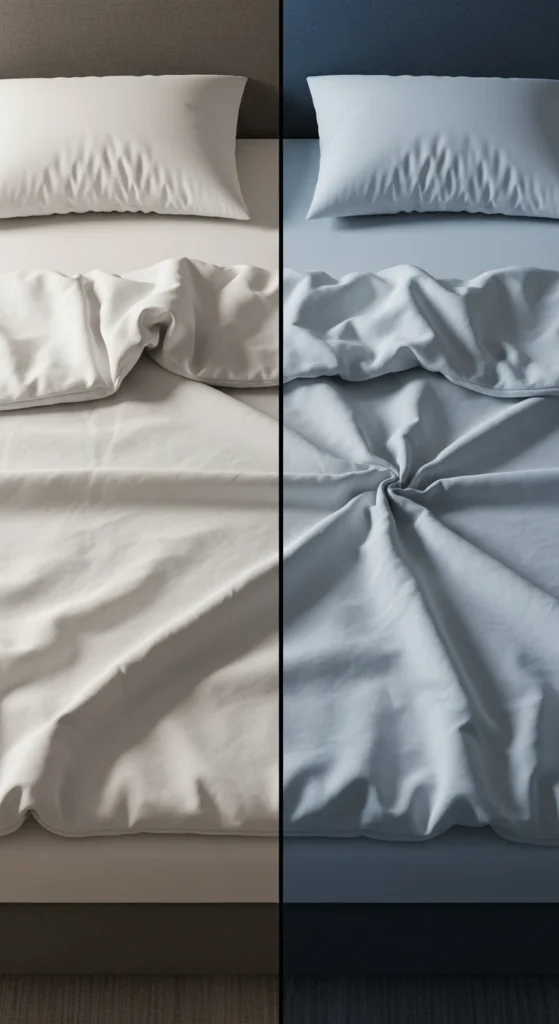
Sharing a bed should not feel like sleeping on a trampoline.
Motion Transfer Gets Worse Over Time
Older mattresses often lose their ability to isolate motion. Every movement travels across the bed.
If your partner shifts positions, you feel it immediately.
Common clues include:
- Waking up when your partner moves
- Feeling the bed bounce when someone gets up
- Disturbed sleep due to motion
A good mattress absorbs movement. A worn-out mattress spreads it like ripples on water.
If you feel every twist and turn, the mattress likely needs replacing.
Your Body Has Changed

Your sleep needs evolve over time.
Weight Changes Affect Mattress Support
If your weight changed significantly since buying your mattress, your comfort level may shift too.
Your mattress might now feel:
- Too firm
- Too soft
- Lacking proper pressure relief
Bodies change. Sleep preferences change too.
What worked five years ago may not work today. A new mattress designed for your current needs can dramatically improve sleep quality.
And let’s be honest. Good sleep makes everything better.
Find Today’s Best Selling Mattresses On Amazon
Your Mattress Smells Musty

Sometimes the nose reveals the problem first.
Persistent Odors Signal Trouble
Old mattresses can trap moisture and odors. Over time, that can lead to a musty smell.
Watch for signs such as:
- Lingering damp smell
- Odors that do not disappear after cleaning
- Visible stains or discoloration
A mattress should smell neutral. If yours smells like a forgotten basement corner, it probably reached the end of its life.
And no amount of air freshener will fix that.
You Simply Feel Ready For Better Sleep
Sometimes the decision feels obvious.
Comfort Matters More Than You Think
If you constantly think about replacing your mattress, your body might already know the answer.
Ask yourself honestly:
- Do you wake up tired most days?
- Does your bed feel uncomfortable?
- Do you struggle to stay asleep?
If you answered yes to several of those questions, your mattress likely deserves retirement.
Good sleep supports your health, mood, and energy levels.
Your mattress plays a huge role in that equation.
Conclusion
Your mattress quietly supports you every single night. But even the best mattress cannot last forever. Over time, wear and tear affect comfort, support, and sleep quality.
Watch for key warning signs like morning aches, visible sagging, poor sleep quality, increased allergies, or a mattress older than 7 to 10 years. These clues often reveal when it is time for an upgrade.
Think of it this way. You spend about a third of your life sleeping. Why settle for a mattress that makes you feel worse every morning?
If your bed feels more like a punishment than a place to rest, your body already knows the truth. It might be time to start shopping for a mattress that actually helps you wake up refreshed.
How Do You Know When It’s Time to Replace a Mattress?
Several clear signs show when to replace a mattress. Common signals are waking up with back pain, seeing visible sagging, or feeling uncomfortable at night.
A mattress that doesn’t support your body can disrupt sleep and create pressure points.
Age is another key factor. Most mattresses last between seven and ten years, depending on materials and use.
If yours is in that range and your sleep quality has dropped, replacing it can boost comfort and improve rest.
How Long Should A Good Mattress Last?
A good mattress lasts about seven to ten years. Innerspring mattresses wear out faster. Memory foam, hybrid, and latex mattresses may last longer if cared for properly.
The lifespan depends on factors like body weight, mattress quality, and daily use. Even if a mattress is under ten years, sagging or constant discomfort often means it’s time to replace it.
What Happens If You Sleep On An Old Mattress Too Long?
Sleeping on an old mattress can cause many problems. As it wears out, it stops supporting your spine correctly. This can lead to back pain, neck stiffness, and restless nights.
Older mattresses also collect dust mites and allergens. These can worsen allergies and breathing issues, especially for those sensitive to dust. Getting a new mattress can boost sleep quality and overall health.
Can A New Mattress Improve Sleep Quality?
Yes, a new mattress can greatly improve sleep quality. A supportive mattress keeps your spine aligned, reduces pressure points, and helps muscles relax at night.
Many people notice better sleep within days of getting a new mattress. They fall asleep faster, wake up less during the night, and feel more refreshed in the morning.
The right mattress can boost daily energy levels significantly.
Is Sagging Mattress A Serious Problem?
A sagging mattress usually means the support system is worn out. When it sags, your body may end up in awkward positions while you sleep. This can cause back pain and joint stiffness.
Even small dips can hurt comfort over time. If you see visible indentations or feel like you’re rolling to the center, replacing the mattress can help. It restores support and improves your sleep posture.