Night Light for Kids Room That Makes Bedtime Easy
The Tiny Light That Saves Your Entire Evening
Picture this: it is 8:30 PM, your kid is finally in bed, and just as you tiptoe out of the room, the crying starts. Not because of a nightmare. Not because they need water.
But because the room is too dark. Sound familiar?
A good night light for kids room can honestly change everything about your bedtime routine, and I say that as someone who spent way too many months doing three return trips to a toddler’s bedroom every single night.
Night lights are one of those parenting tools that look simple on the surface but carry a whole lot of weight in practice.
The right one keeps your child calm, helps them fall asleep faster, and even makes those 2 AM bathroom trips less of a production. So let me walk you through everything you need to know before you buy one.
Why Kids Actually Need a Night Light
The Fear of the Dark Is Very Real
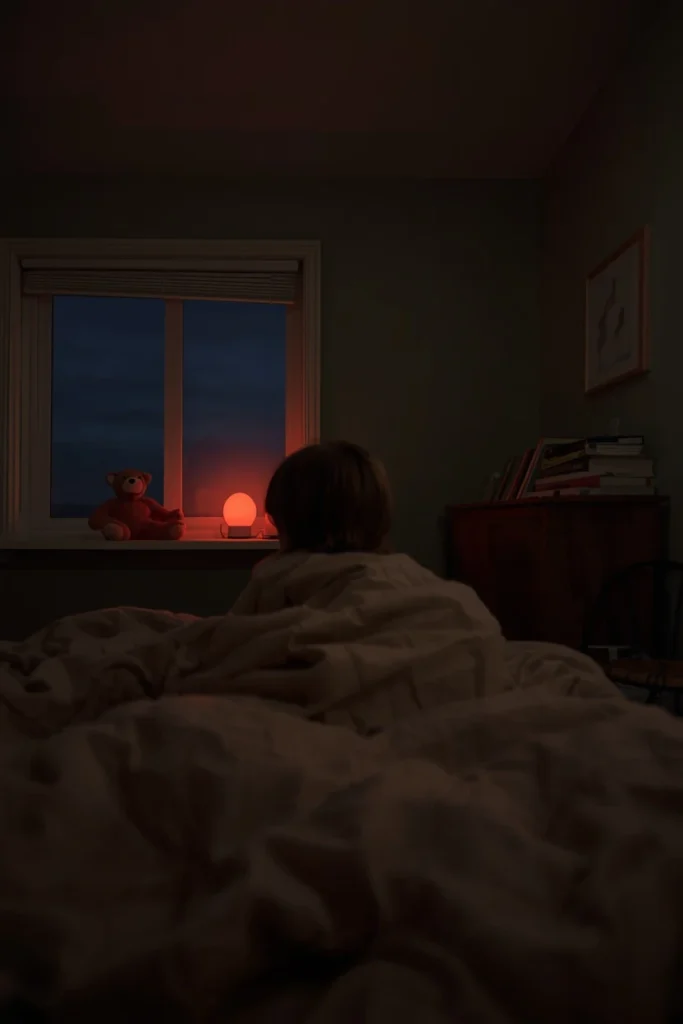
Kids are not being dramatic when they say the dark scares them. Fear of the dark is developmentally normal, especially between ages 2 and 8.
Their imaginations are running at full speed, and a pitch-black room gives those imaginations way too much room to work with.
A soft, consistent glow gives children a visual anchor. It tells their brain, “Everything is fine, nothing has changed.”
That reassurance is genuinely powerful for helping them settle down and stay asleep through the night.
Sleep and Light Are More Connected Than You Think
Here is something that surprised me when I first learned about it: the color and brightness of light directly affects melatonin production.
Melatonin is the hormone that makes you feel sleepy, and the wrong kind of light can suppress it completely.
Bright white or blue-tinted lights are the worst offenders. They trick the brain into thinking it is still daytime. Warm amber or red-toned lights, on the other hand, have very little impact on melatonin.
So if you want a night light that actually supports your child’s sleep, the color matters just as much as the brightness level.
What to Look for in a Night Light for Kids Room
Brightness That Does Not Blind Anyone
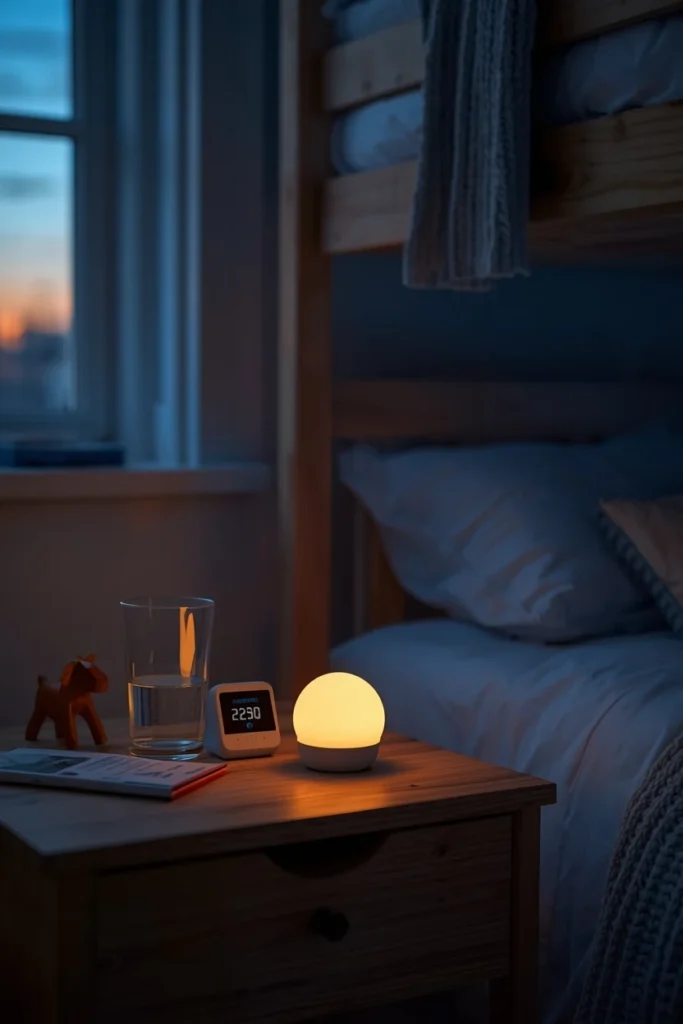
The whole point of a night light is to provide just enough glow to ease anxiety and allow for safe navigation, not to light up the room like a stadium.
Look for night lights with adjustable brightness settings so you can dial it down once your child is asleep or crank it up slightly during that pre-sleep wind-down period.
Most quality night lights offer between two and five brightness levels. Honestly, three levels is usually plenty for a kids room.
Warm Light Over Cool Light
As I mentioned earlier, warm-toned lights (think amber, orange, or soft yellow) are the gold standard for sleep-friendly illumination.
They create a cozy atmosphere without disrupting the body’s natural sleep rhythm.
Some night lights also offer a red light mode, which many sleep specialists consider the most sleep-safe option available.
If you have a child who really struggles to fall asleep, a red-toned night light is worth trying before you look for anything else.
Shop Warm-Toned Night Lights On Amazon
Timer and Auto-Off Features
Does your child fall asleep faster when there is some light but wake up better in complete darkness?
A built-in timer solves that problem without you having to sneak back into the room to switch anything off.
Look for options that let you set a 30-minute, 60-minute, or 90-minute auto-off.
You set it when you tuck your child in, and the light does the rest. Simple, effective, and your sneaky tip-toeing skills can finally take a rest.
Durability and Child-Safe Design
Kids knock things over. Kids drop things. Kids also occasionally decide to use their night light as a toy, a projectile, or both.
Choose a night light made from BPA-free materials, with no sharp edges and a design that does not shatter on impact.
Silicone night lights are especially popular right now because they are soft, squishy, and almost impossible to break.
They also stay cool to the touch, which matters if your child tends to grab theirs in the middle of the night.
The Best Types of Night Lights for Kids Rooms
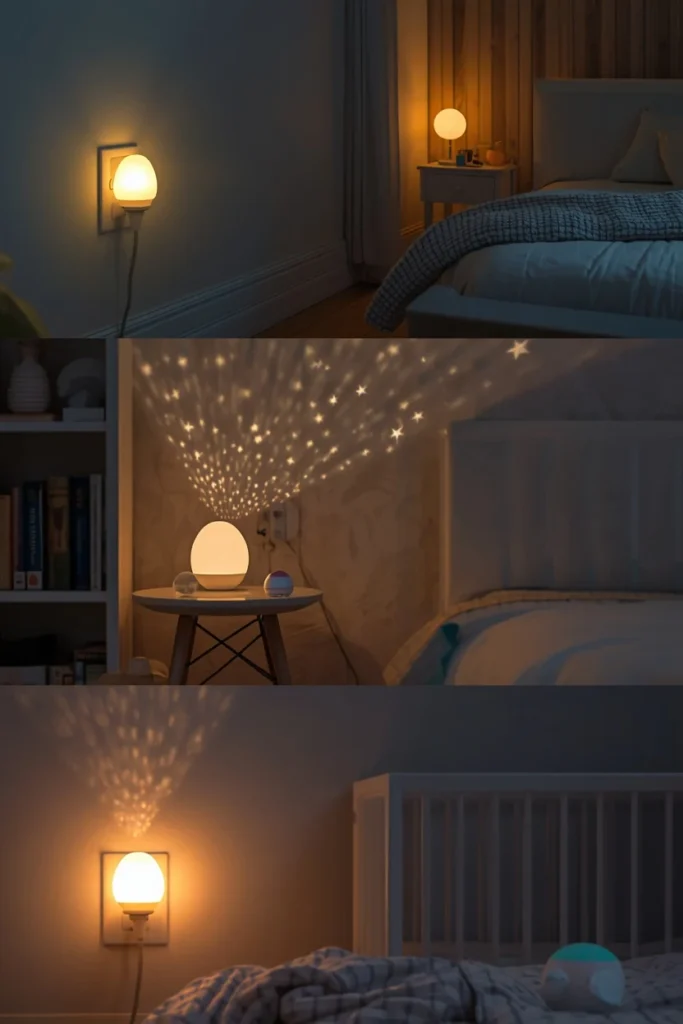
Plug-In Night Lights
Plug-in night lights are the most common option, and they work exactly like you would expect. You plug them into a wall outlet and they stay on until you turn them off or the timer kicks in.
They are affordable, low-maintenance, and do not require any batteries. The downside is that they have to live wherever the outlet is, which might not always be the most useful spot in the room.
Browse Plug-In Night Lights On Amazon
Portable and Rechargeable Night Lights
Portable night lights have become incredibly popular, and honestly, it is easy to see why.
Your child can carry it to the bathroom, bring it into a tent during a sleepover, or move it to the bookshelf when they want to read. That flexibility is genuinely useful.
Most rechargeable options now use USB-C charging and hold a charge for anywhere between 8 and 20 hours depending on the brightness setting you use.
Look for one with a magnetic base or a flat bottom so it stays put on a nightstand.
Find Rechargeable Night Lights On Amazon
Projector Night Lights
Projector night lights cast images, stars, moons, or animated scenes onto the ceiling and walls.
Kids absolutely love them, and they can serve double duty as a distraction tool during those “I refuse to stay in bed” phases.
The key is choosing a projector that rotates slowly and dims down over time. Some models project static images, while others rotate gradually to create a moving display.
The rotating ones tend to be more hypnotic and actually help lull kids to sleep rather than keeping them awake watching the show.
Explore Projector Night Lights On Amazon
Color-Changing Night Lights
Color-changing night lights give kids some control over their environment, which is a surprisingly effective tool for reducing bedtime resistance.
When a child feels like they have a choice, bedtime stops being something that happens to them and starts being something they participate in.
Just make sure the blue and white color settings are not the default.
Set it up so warm colors are the easiest to select, and you can always lock certain modes out if your child tends to put it on the brightest, bluest setting every night.
Features That Make Bedtime Smoother
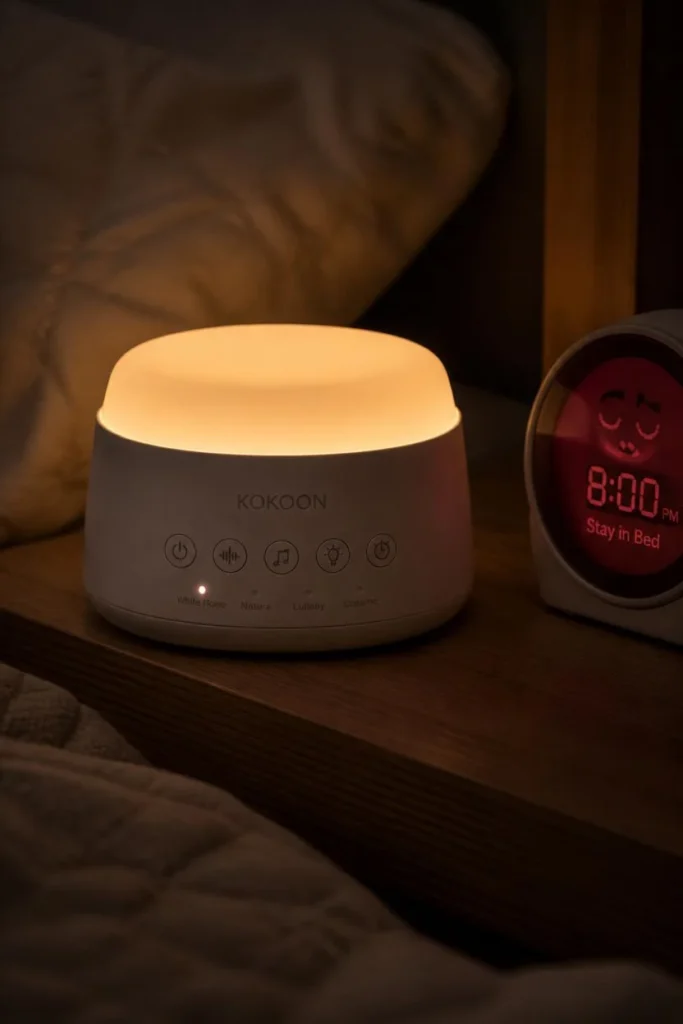
Sound Machines Built Into Night Lights
A lot of modern night lights now combine soft lighting with white noise or lullaby functions. This is genuinely brilliant because it handles two of the biggest bedtime variables in one device.
White noise drowns out household sounds, which is a game-changer if you have other kids, a noisy street, or a partner who apparently cannot close a cabinet quietly.
Many combo units let you run the sound independently from the light, so you get full flexibility.
Nightlight Alarm Clocks for Older Kids
If your child is old enough to understand the concept of staying in bed until a certain time, a nightlight with a built-in OK-to-wake clock is worth every penny.
These lights change color at the time you set, so when your child wakes up at 5:45 AM they can look at the light, see it is still red (or whatever color you set for “not yet”), and know to stay in bed.
Does this work perfectly every single time? No. But it works often enough to make mornings significantly less chaotic.
Shop OK-To-Wake Night Lights On Amazon
Touch Controls vs. App Controls
Some night lights use simple touch controls on the device itself, while others connect to an app on your phone.
App-controlled lights are more convenient for parents since you can adjust brightness or set timers from your phone without opening your child’s door.
Touch-controlled lights are simpler and more reliable since they do not depend on Wi-Fi.
If your home network has ever decided to take the night off at an inconvenient moment, you already know why simplicity sometimes wins.
Placement Tips That Actually Matter
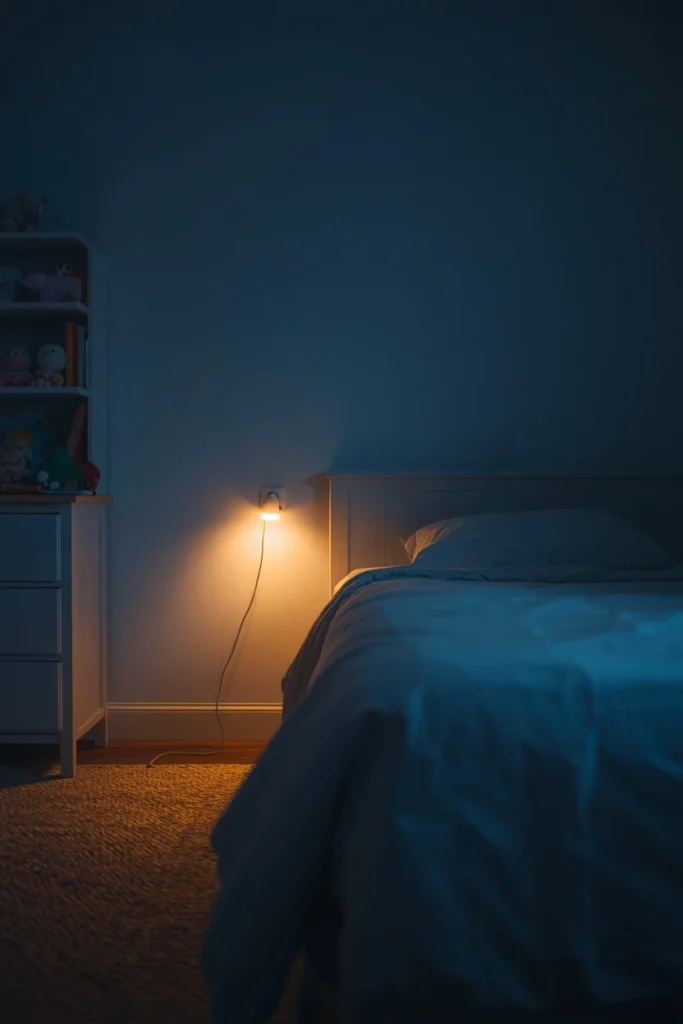
Where you put the night light makes a real difference. Here are the placements that tend to work best:
- Near the door: Makes nighttime bathroom trips easier and less scary
- Across from the bed: Gives your child a visual focal point without shining directly in their eyes
- Low on the wall: Keeps the light subtle and avoids disrupting overall sleep cues
- Near a bookshelf or dresser: Illuminates familiar objects that feel comforting rather than casting unfamiliar shadows
Avoid placing any night light directly behind your child’s head or at eye level when they are lying down. Even soft light can interfere with sleep quality when it shines straight at closed eyelids.
Making the Night Light Part of the Bedtime Routine
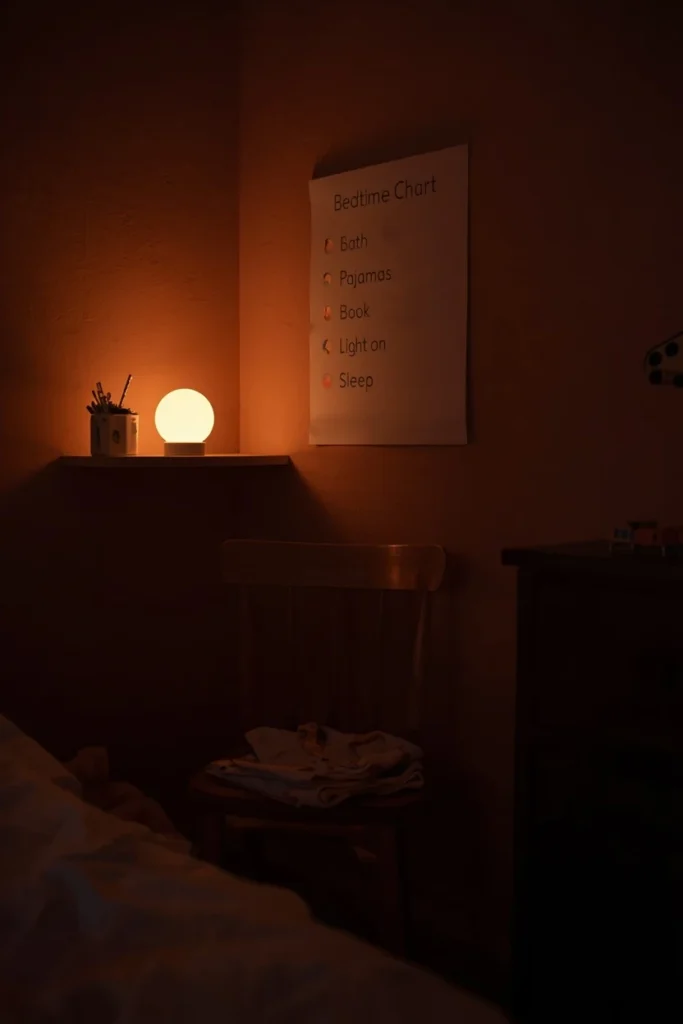
The night light works best when it becomes a reliable signal in your child’s routine. Use the moment you turn it on as a bedtime cue, just like brushing teeth or reading a story.
Over time, the act of switching the light on starts to tell your child’s brain that sleep is coming.
Kids thrive on predictability. When the same sequence of events happens every night, their body and mind learn to anticipate sleep at that point in the routine. The night light is not just a light; it is a trigger.
Wrapping It All Up
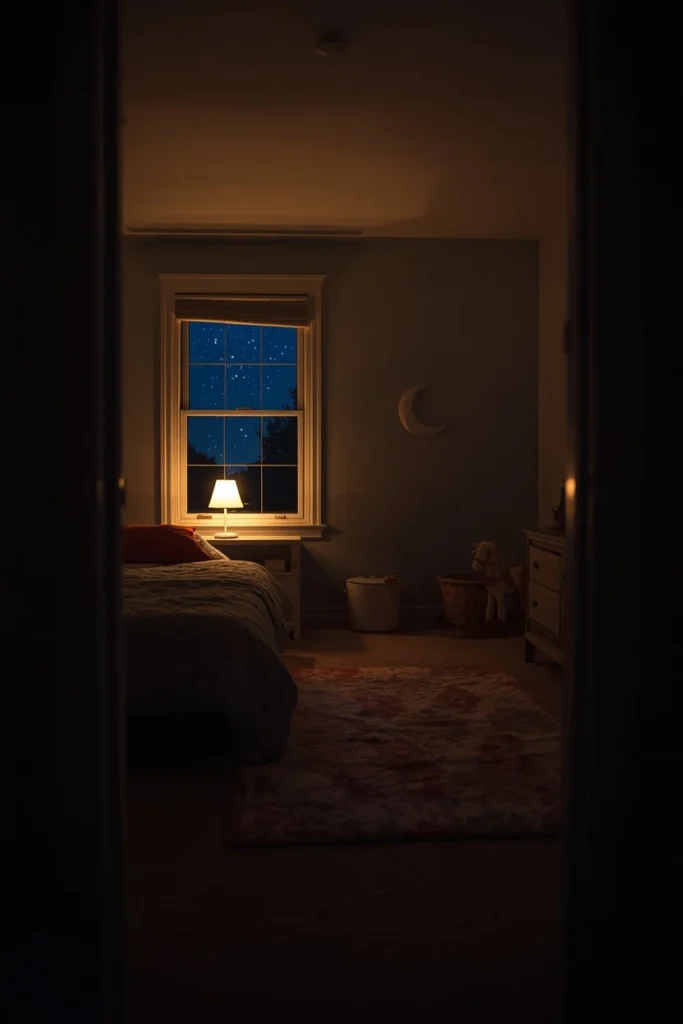
A quality night light for kids room does more than keep the monsters at bay.
It supports better sleep, reduces bedtime anxiety, and honestly makes the whole end-of-day experience calmer for everyone involved, including the adults who desperately want to sit on the couch for five minutes.
Focus on warm light, adjustable brightness, child-safe materials, and features that fit your specific routine.
Whether you go for a simple plug-in or a feature-packed projector with white noise and an app, the right night light will pay you back in better bedtimes almost immediately.
And if that is not worth a small investment, I genuinely do not know what is.
What Color Night Light Is Best for a Child’s Sleep?
Warm amber, soft orange, and red-toned night lights are the best choices for children’s sleep.
These colors have the least impact on melatonin production, which is the hormone your child’s body needs to feel sleepy.
Avoid bright white or blue-tinted lights at bedtime because they signal to the brain that it is still daytime, making it significantly harder for your child to wind down and fall asleep.
At What Age Should a Child Stop Using a Night Light?
There is no universal age at which a child must stop using a night light, and honestly, there is no real reason to force the transition.
Fear of the dark is most common between ages 2 and 8, but some children and even some adults sleep better with a dim light in the room.
If your child is comfortable and sleeping well with a night light, there is no developmental harm in letting them keep it as long as they want.
Is It Safe to Leave a Night Light on All Night in a Kids Room?
Yes, most modern night lights are completely safe to leave on all night. Look for options that are UL-listed or carry relevant safety certifications, stay cool to the touch, and are made from BPA-free materials.
LED night lights are the safest and most energy-efficient choice because they generate very little heat, consume minimal electricity, and last far longer than traditional bulb-based options.
Where Is the Best Place to Put a Night Light in a Child’s Room?
The most effective placement is near the bedroom door or low on the wall across from the bed.
This setup gives your child enough light to feel reassured and navigate safely during the night without shining directly at their eyes while they sleep.
Avoid placing the night light directly behind the child’s head or at eye level with the bed, as even dim light can reduce sleep quality when it hits closed eyelids directly.
Can a Night Light Actually Help My Child Fall Asleep Faster?
A night light does not directly cause sleep, but it removes one of the biggest barriers to it, which is anxiety about the dark.
When a child feels safe and calm in their environment, their body can relax and move through the natural process of falling asleep much more quickly.
Pairing a warm-toned night light with a consistent bedtime routine makes the light a reliable sleep cue over time, which can noticeably shorten the time it takes your child to settle down each night.