Best Supportive Mattress for Heavy Couples
Shopping for a mattress as a heavier couple can be tough.
You try a bed in the showroom, it feels great for a few minutes, but then three months later, you find yourselves sinking into what feels like a memory foam pit.
Sound familiar? Choosing the right mattress requires more than just picking the softest one. You need solid support, strong durability, and a mattress that lasts through the warranty.
This guide explains what to look for, which mattress types work best, and how to make a smart choice without wasting money on something that will sag by next summer.
Why Regular Mattresses Fall Short for Heavy Couples
Here is the honest truth: most mattresses on the market are designed with an average-weight sleeper in mind.
Manufacturers build for a baseline, and that baseline rarely accounts for two people who together weigh 400 pounds or more.
So when you buy a standard mattress and it starts dipping in the middle after six months, that is not bad luck. That is physics.
Heavier couples put significantly more pressure per square inch on a mattress, especially in areas like the hips, shoulders, and lower back.
A mattress that lacks adequate support in those zones does not just feel uncomfortable. It actively contributes to back pain, poor sleep posture, and restless nights.
The goal is not to find a mattress that feels soft and luxurious in the store. The goal is to find one that holds up under real conditions, night after night, for years.
What to Look for in a Mattress for Heavy Couples
Support Core Matters More Than the Comfort Layer
Most people obsess over how the top of a mattress feels. While comfort layers absolutely matter, the support core is the real workhorse.
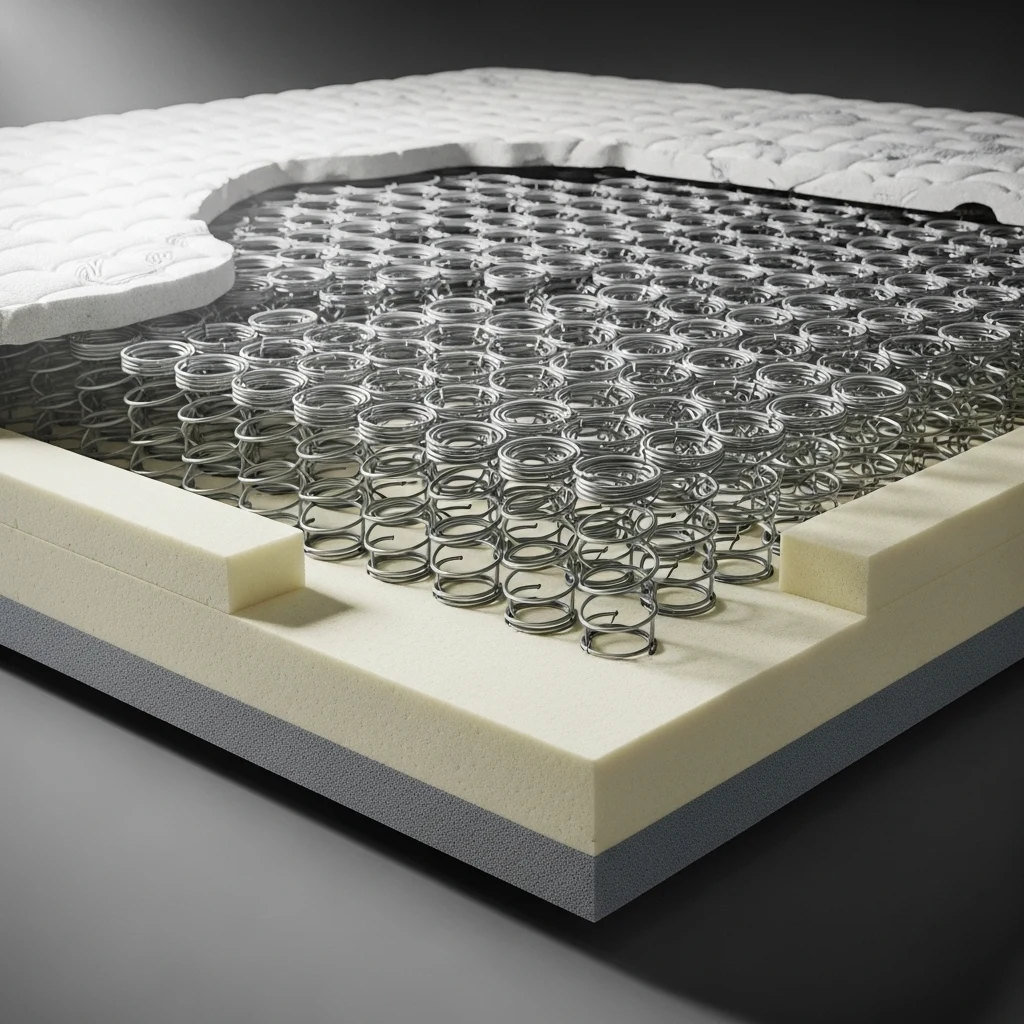
For heavier couples, you want a support core that resists compression and maintains its shape over time.
- Coil count and gauge: In innerspring or hybrid mattresses, look for individually wrapped coils with a lower gauge number (meaning thicker coils). A gauge of 13 to 15 is solid for heavier sleepers.
- High-density foam base: If you go with an all-foam mattress, the base layer should be at least 1.8 PCF (pounds per cubic foot). Anything lower and you will feel the dreaded bottoming-out effect.
- Zoned support systems: Some mattresses use firmer zones under the hips and lower back. For heavier couples, this targeted reinforcement is a genuine game-changer.
Firmness: Firm Is Your Friend (Mostly)
A medium-firm to firm mattress is almost always the right call for heavier couples. Softer mattresses feel amazing for about two weeks before they start cradling you a little too aggressively.
Medium-firm (around a 6 out of 10 on the firmness scale) works well for couples where one or both partners sleep on their side.
Firm options (7 to 8 out of 10) suit back and stomach sleepers better because they prevent the hips from sinking too far and throwing the spine out of alignment.
That said, firmness preference is personal. If you and your partner have different sleeping styles, look for a mattress with split firmness options. Yes, those exist, and yes, they are worth every penny.
Thickness: Go Tall or Go Home
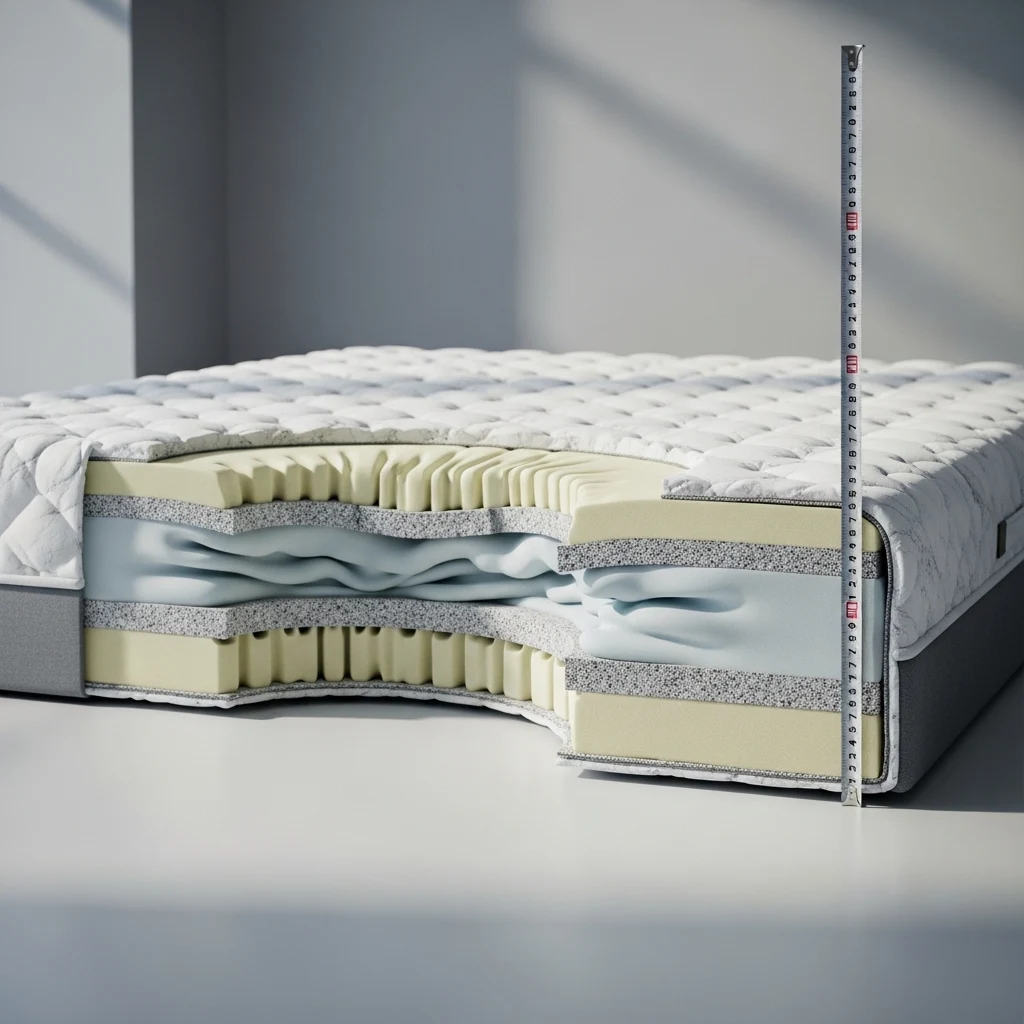
For heavier couples, a mattress should be at least 12 inches thick, and 14 inches or more is even better.
The extra height gives you room for a generous comfort layer on top without sacrificing the depth of the support core beneath.
Thin mattresses compress more quickly and bottom out faster. You might save a couple hundred dollars upfront, but you will be mattress shopping again in two years. Not a great trade.
Edge Support: The Unsung Hero
Edge support is one of those features that nobody talks about until they need it.
If you have ever sat on the side of a bed and felt like you were about to roll off a cliff, you understand. Strong edge support means:
- More usable sleep surface (especially important for larger couples sharing a bed)
- Easier entry and exit from the mattress
- Better overall durability because the perimeter does not collapse first
Hybrid mattresses with reinforced coil edges typically perform best here. High-density foam perimeters also work well.
Best Mattress Types for Heavy Couples
Hybrid Mattresses: The Gold Standard
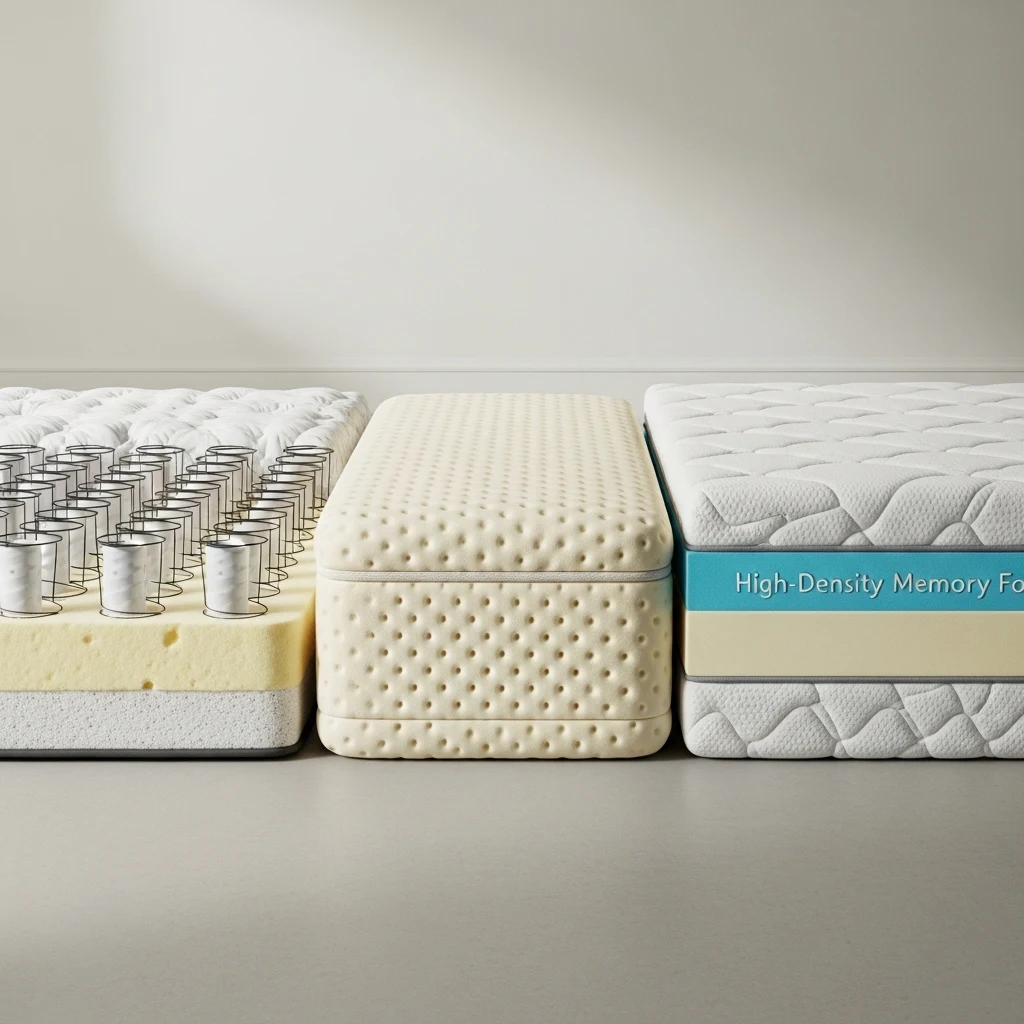
If there is a category that consistently wins for heavier couples, it is the hybrid mattress. A hybrid combines a coil support system with foam or latex comfort layers, giving you the best of both worlds.
Why hybrids work so well:
- Individually wrapped coils provide responsive, targeted support
- The coil system allows airflow, which prevents the heat buildup that memory foam is notorious for
- Foam or latex comfort layers cushion pressure points without letting you sink through
- Edge support is generally superior compared to all-foam options
Look for hybrids with at least 1,000 individually wrapped coils in a queen size, and prioritize models that specifically advertise suitability for heavier sleepers or use terms like “reinforced support” in their product descriptions.
Browse Top-Rated Hybrid Mattresses on Amazon
Latex Mattresses: Durable and Responsive
Natural latex is one of the most durable mattress materials available.
It does not break down the way memory foam does, and it offers a buoyant, responsive feel rather than that slow, sinking sensation some people love and others cannot stand.
Key advantages of latex for heavier couples:
- Exceptional durability (natural latex mattresses can last 12 to 20 years with proper care)
- Naturally breathable and temperature-neutral
- Does not develop permanent body impressions as quickly as foam
- Available in a range of firmness options
The downside? Latex mattresses tend to cost more upfront. But when you factor in longevity, the cost per year of sleep is often lower than cheaper alternatives that need replacing every few years.
Shop Latex Mattresses on Amazon
High-Density Memory Foam: Proceed With Caution
Memory foam gets a lot of love, and for good reason. It contours beautifully and relieves pressure points.
However, not all memory foam is built the same, and lower-density options are a poor match for heavier couples.
If you prefer memory foam, go with gel-infused or copper-infused high-density foam (at least 4 PCF in the comfort layer and 1.8 PCF or higher in the base).
These denser formulations hold up better under sustained pressure and sleep cooler than traditional memory foam.
Avoid any all-foam mattress under 12 inches with a cheap, low-density base. You will feel it failing you sooner than you think.
Find High-Density Memory Foam Mattresses on Amazon
Innerspring Mattresses: Not the Best Pick
Traditional innerspring mattresses with a connected coil system are generally not the best choice for heavier couples.
The interconnected coils transfer motion between partners, and the lack of contouring foam layers means less pressure relief. They also tend to wear out faster under heavier loads.
If innerspring is the only option in your budget, look for a model with a pillow-top or euro-top addition and thicker gauge coils.
Top Features to Prioritize When Shopping
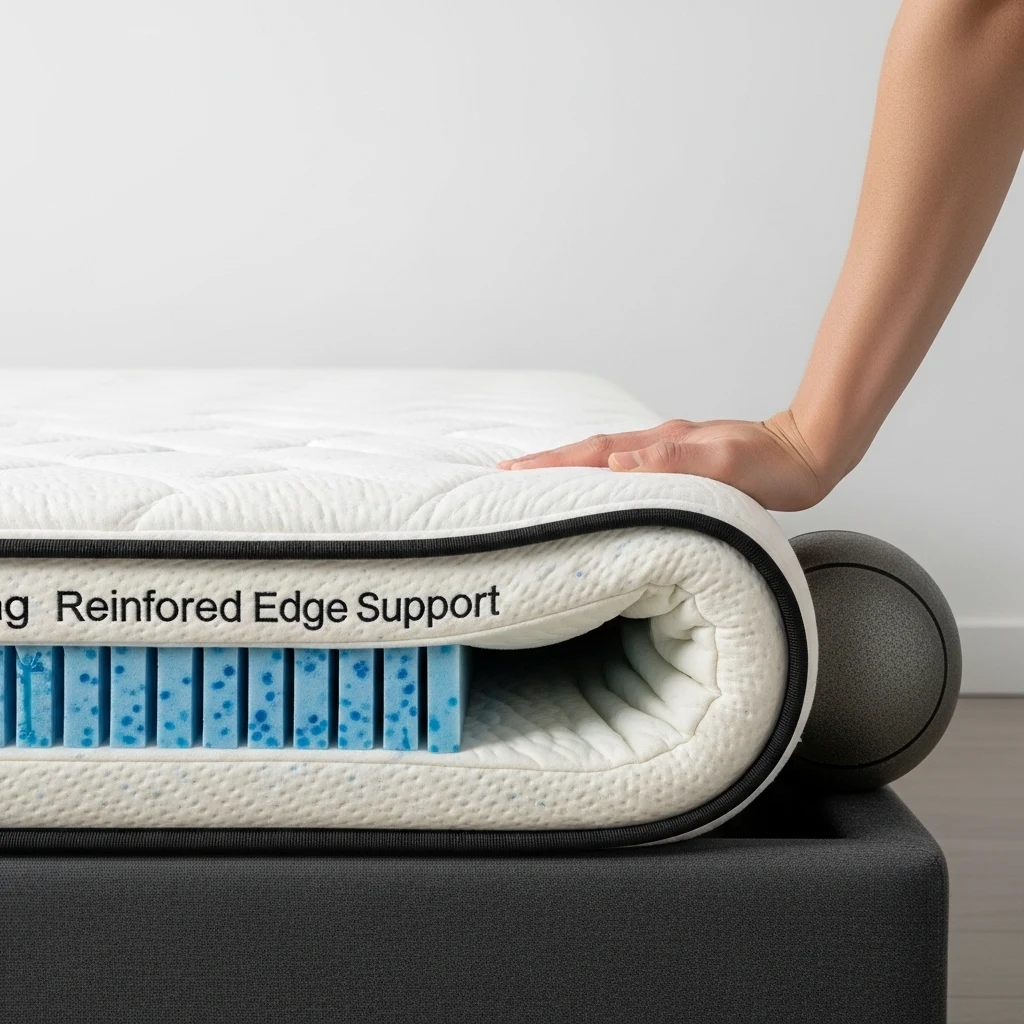
Here is a quick checklist to keep in your back pocket when you start browsing:
- Mattress thickness: 12 inches minimum, 14 or more preferred
- Support core density: 1.8 PCF or higher for foam bases; reinforced coils for hybrids
- Weight capacity: Always check the stated weight limit. Many quality mattresses support 500 to 1,000 pounds total.
- Trial period: Look for at least a 100-night trial so you can test it properly in your own home
- Warranty: A 10-year warranty is the minimum. Brands confident in their durability offer 15 to 25 years.
- Motion isolation: Especially important if one partner moves around more at night
- Cooling technology: Gel infusions, copper layers, or breathable covers help regulate temperature
Does the Bed Frame Matter?
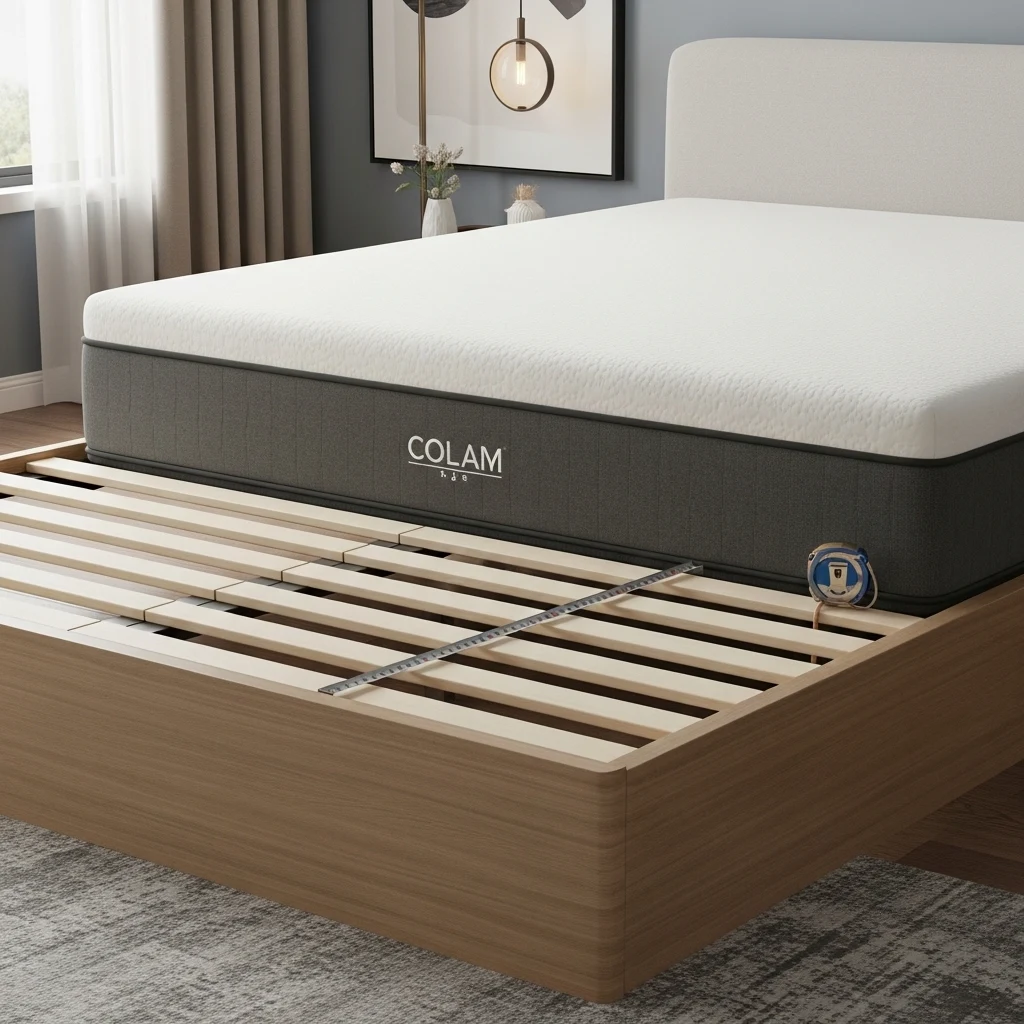
Absolutely, and this is a detail many couples overlook. Even the most supportive mattress will sag prematurely if the foundation underneath it is inadequate.
For heavier couples, use a platform bed or slatted frame with slats no more than 3 inches apart.
Wider gaps allow the mattress to bow between slats over time, which creates uneven support and speeds up wear. A solid platform or a high-quality adjustable base is even better.
Avoid old box springs unless they are specifically rated for heavier loads. Many standard box springs are not designed to handle significant weight without flexing excessively.
Shop Bed Frames and Platform Bases on Amazon
How Long Should a Mattress Last for Heavy Couples?
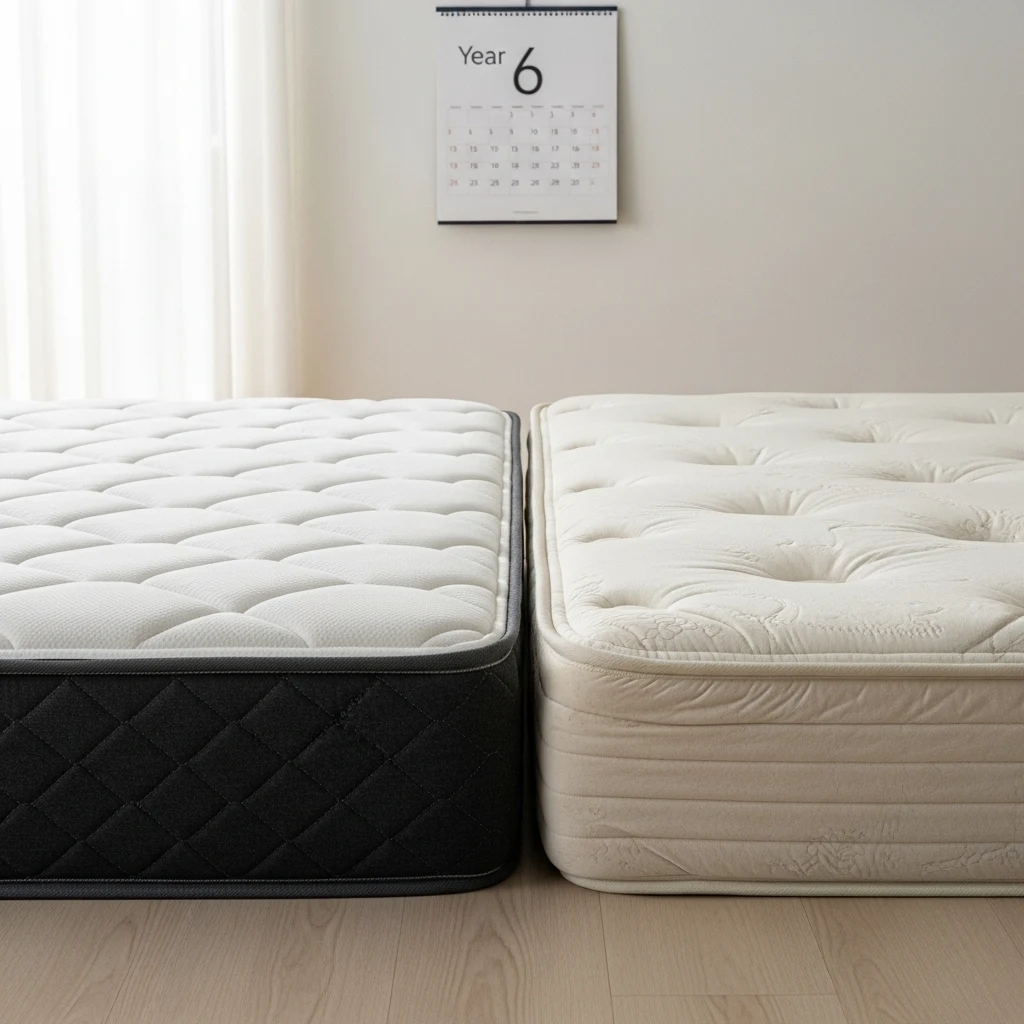
A quality mattress for average-weight sleepers typically lasts 7 to 10 years. For heavier couples, that timeline realistically sits closer to 5 to 8 years, depending on the mattress type and how well you maintain it.
Rotating your mattress every 3 to 6 months helps distribute wear more evenly. Using a mattress protector prevents moisture and debris from breaking down the materials faster.
And if you start noticing visible sagging, persistent back pain that was not there before, or you wake up feeling worse than when you went to bed, it is time to start shopping again.
Final Thoughts
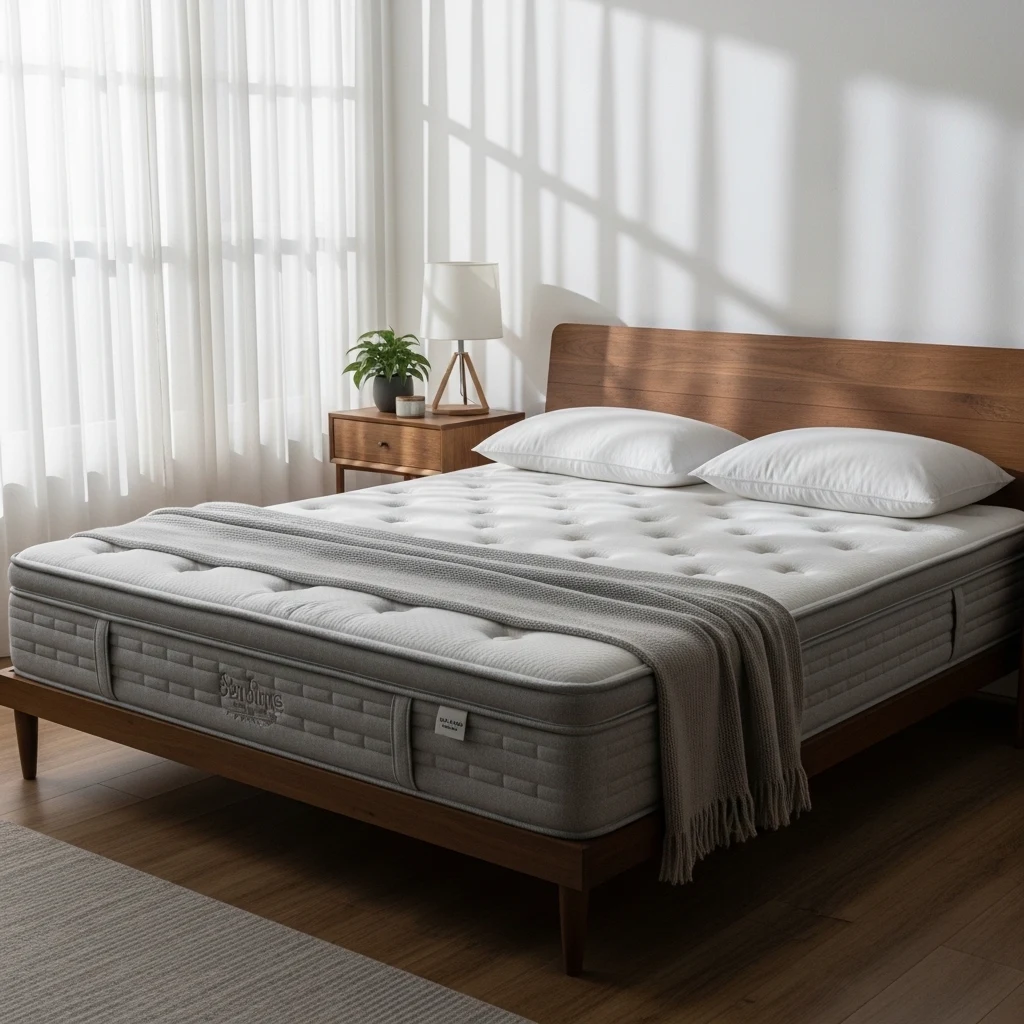
Finding the best supportive mattress for heavy couples comes down to prioritizing the right features over the most attractive price tag or the softest feel.
A hybrid with reinforced coils, a high-density foam or latex option with a solid base, and a minimum thickness of 12 inches will serve most heavier couples far better than anything marketed as “plush” or “ultra-soft.”
Take the trial period seriously. Sleep on it for at least 30 nights before making a final judgment because your body needs time to adjust. And remember, a mattress is not just furniture.
It is where you spend a third of your life, and for a heavy couple sharing that space, getting it right matters more than most people realize. Your back will thank you, and so will your sleep quality.
Ready To Upgrade Your Sleep? Shop Supportive Mattresses for Heavy Couples on Amazon
What Is the Best Mattress Type for Heavy Couples?
Hybrid mattresses are often the best choice for heavy couples. They mix individually wrapped coils with foam or latex layers.
This combination offers strong support, great edge reinforcement, and improved airflow compared to all-foam mattresses.
Choose hybrids that mention a high weight capacity and have reinforced coil edges for added durability.
How Firm Should a Mattress Be for a Heavy Couple?
A medium-firm to firm mattress, rated 6 to 8 on the firmness scale, suits most heavy couples. Side sleepers prefer medium-firm options. Back and stomach sleepers need a firmer surface.
This keeps the hips aligned and prevents the lower back from bowing during sleep.
What Mattress Thickness Do Heavy Couples Need?
Heavy couples should choose a mattress at least 12 inches thick. A mattress that is 14 inches or more is even better. Thicker mattresses have a deeper support core.
This core resists compression better. It also helps prevent that sinking feeling that thinner mattresses get with heavy weight over time.
How Long Does a Mattress Last for Heavy Couples?
A quality mattress for heavy couples can last 5 to 8 years with proper care. To extend its lifespan, rotate the mattress every 3 to 6 months and use a mattress protector.
Replace the mattress if you notice visible sagging, new or worsening back pain, or consistently poor sleep quality that wasn’t an issue before.
Does the Bed Frame Affect Mattress Support for Heavy Couples?
Yes, the bed frame is important for mattress performance over time. Heavy couples should choose a platform bed or a slatted frame with slats no more than 3 inches apart.
Wider gaps can cause the mattress to bow between slats. This creates uneven support and speeds up wear. A solid platform base or a reinforced adjustable base provides the best long-term support.