How to Arrange Furniture in a Small Rectangular Bedroom
Have you ever walked into your bedroom and thought, “Why does this room feel smaller every time I move something?” A small rectangular bedroom can feel like a tricky puzzle.
One wrong furniture placement can make the room feel cramped and awkward.
I’ve rearranged small bedrooms more times than I can count. Sometimes it worked great. Other times, the bed blocked the closet, and I wondered what I was thinking.
But once you learn a few simple layout tricks, arranging furniture in a small rectangular bedroom gets easier. Let’s explore how to make the most of your space without losing your sanity.
Understand the Shape of Your Room First
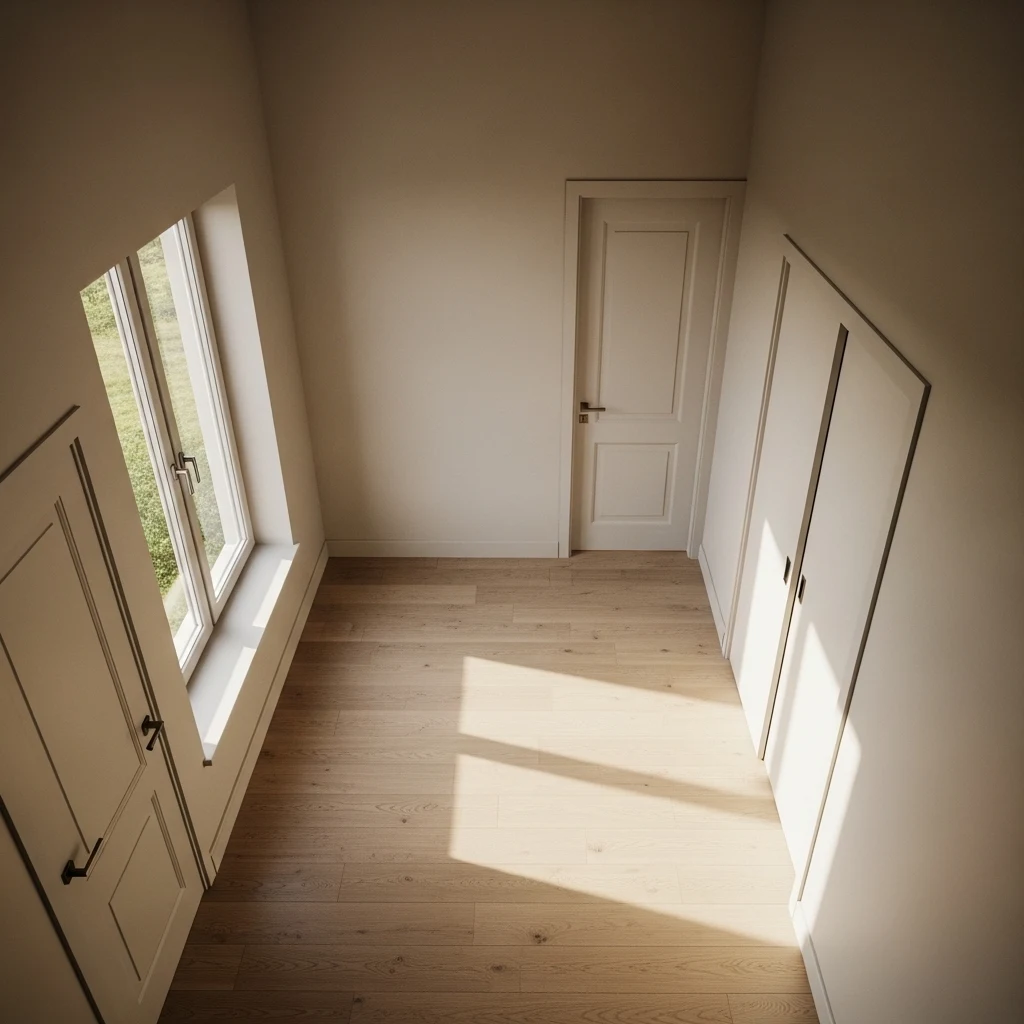
Before you start dragging furniture across the floor, take a moment to look at the room itself.
A rectangular bedroom layout creates natural long and short walls, and those walls determine where things should go.
Many people ignore this step. They shove furniture wherever it fits and hope the room magically works. It rarely does.
Instead, ask yourself a few simple questions:
- Where are the windows?
- Where does the door open?
- Where is the closet located?
- Which wall feels like the natural focal point?
Once you answer those questions, the room starts making more sense.
Why the Long Wall Matters
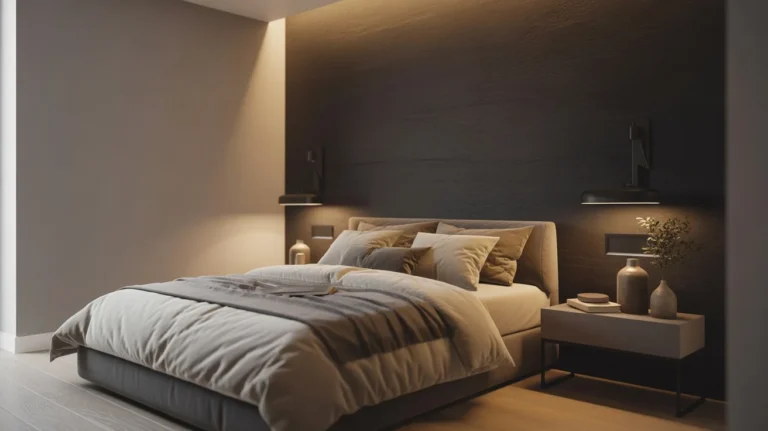
In most small rectangular bedrooms, the long wall works best for the bed. It balances the room and prevents that cramped hallway feeling.
Place the bed along the long wall and suddenly the room feels wider. Funny how a small shift changes everything, right?
Start With the Bed Placement
Let’s be honest. The bed dominates the bedroom. Everything else works around it.
So if you place the bed poorly, the rest of the layout will struggle.
The Best Bed Position for Small Rectangular Bedrooms
Most of the time, one of these placements works best:
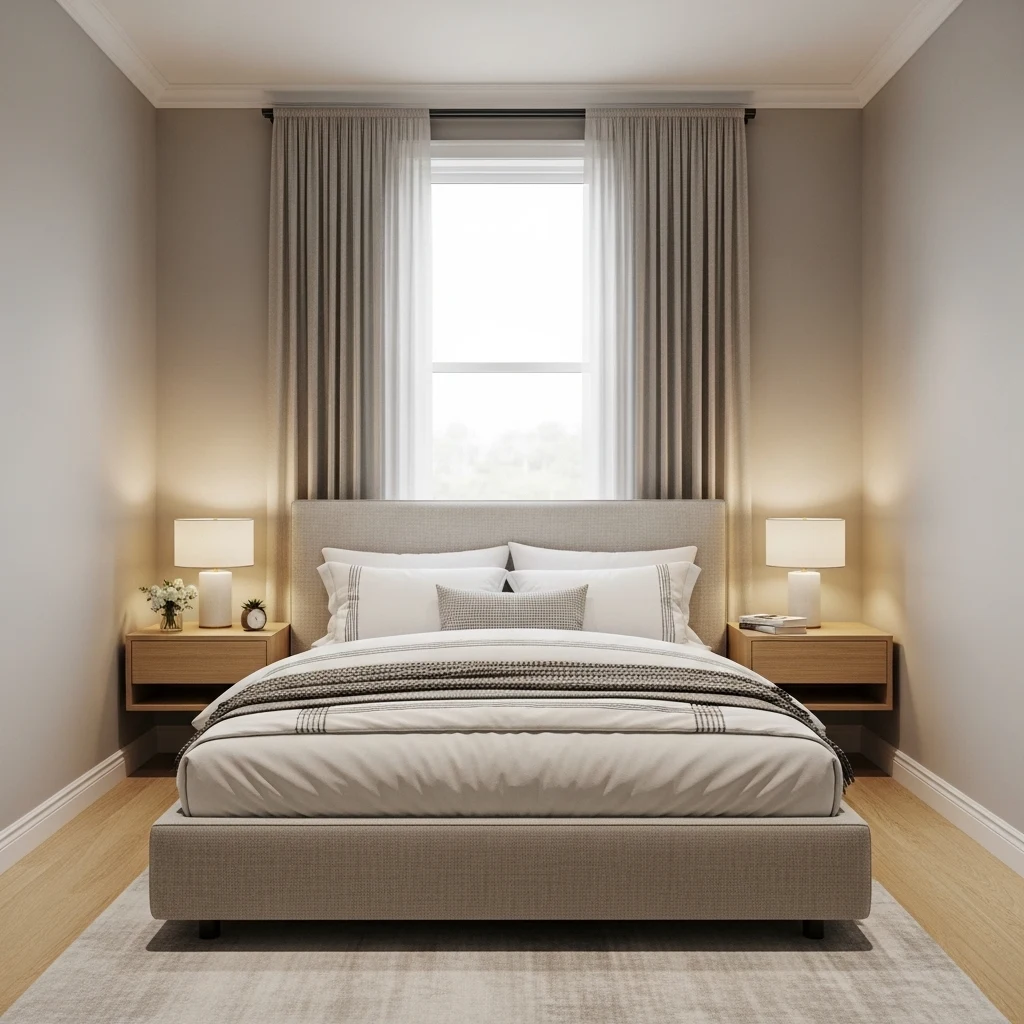
Option 1: Center the bed on the long wall
- Creates visual balance
- Leaves walking space on both sides
- Makes the room feel organized
Option 2: Place the bed against one side wall
- Works well in very narrow bedrooms
- Frees up more floor space
- Allows room for a desk or dresser
I prefer the centered option whenever possible. It simply looks better. But small rooms sometimes demand compromise.
Ever tried squeezing two nightstands into a narrow bedroom? Yes, that rarely ends well.
Avoid This Common Bed Placement Mistake
Many people push the bed directly into a corner because they think it saves space.
Sometimes it does. Often it just makes the room look cramped and awkward.
Only use corner placement when the room is extremely narrow.
Otherwise you lose balance and comfort.
Shop Low Profile Beds on Amazon
Create Clear Walking Paths
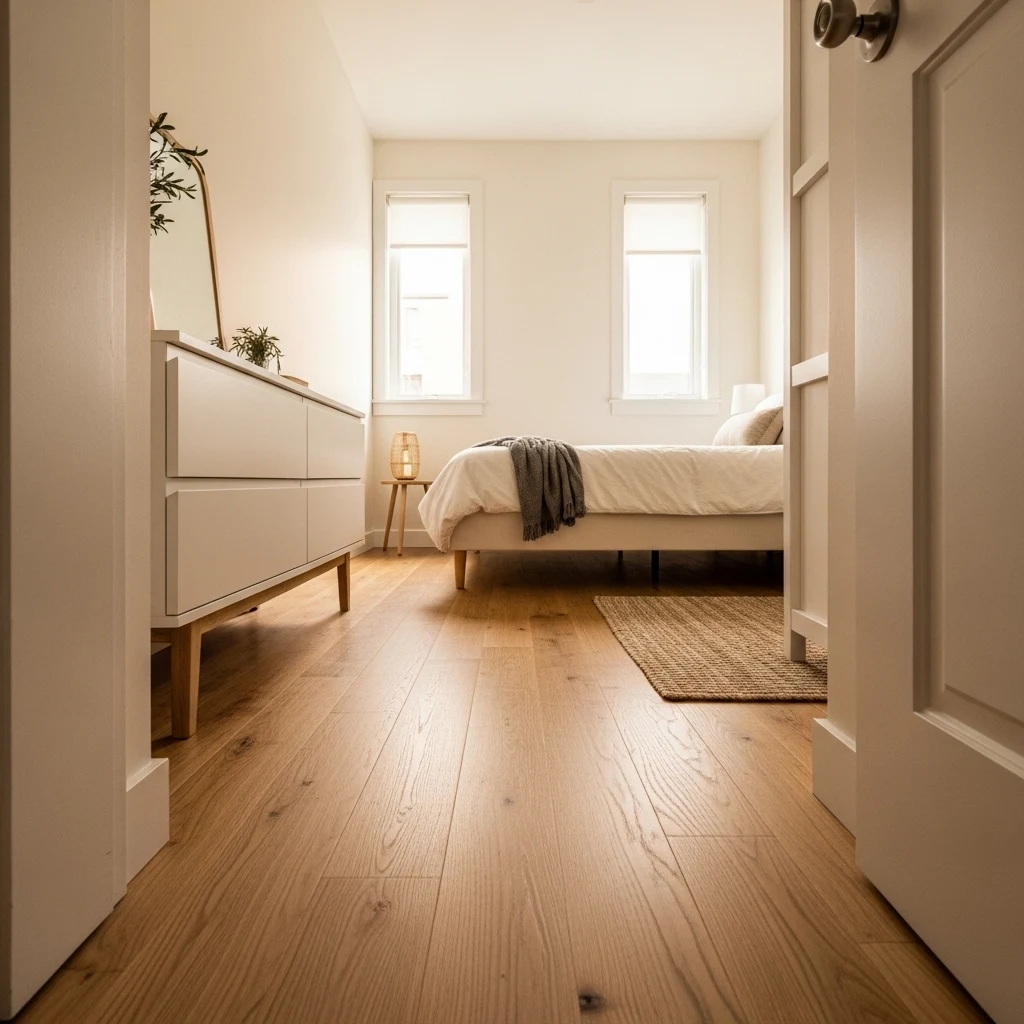
A bedroom should feel calm and easy to move around in. If you bump into furniture every morning, the layout needs help.
Interior designers always focus on clear walking paths.
Ideal Walking Space
Try to maintain at least 24 inches of walking space around major furniture pieces.
That small gap makes a big difference.
For example:
- Space between bed and dresser
- Path from door to bed
- Path to the closet
When you maintain those paths, the room feels larger even if the square footage stays the same.
Ever noticed how hotel rooms feel spacious even when they are small? Smart walking paths play a huge role.
Choose the Right Furniture Size
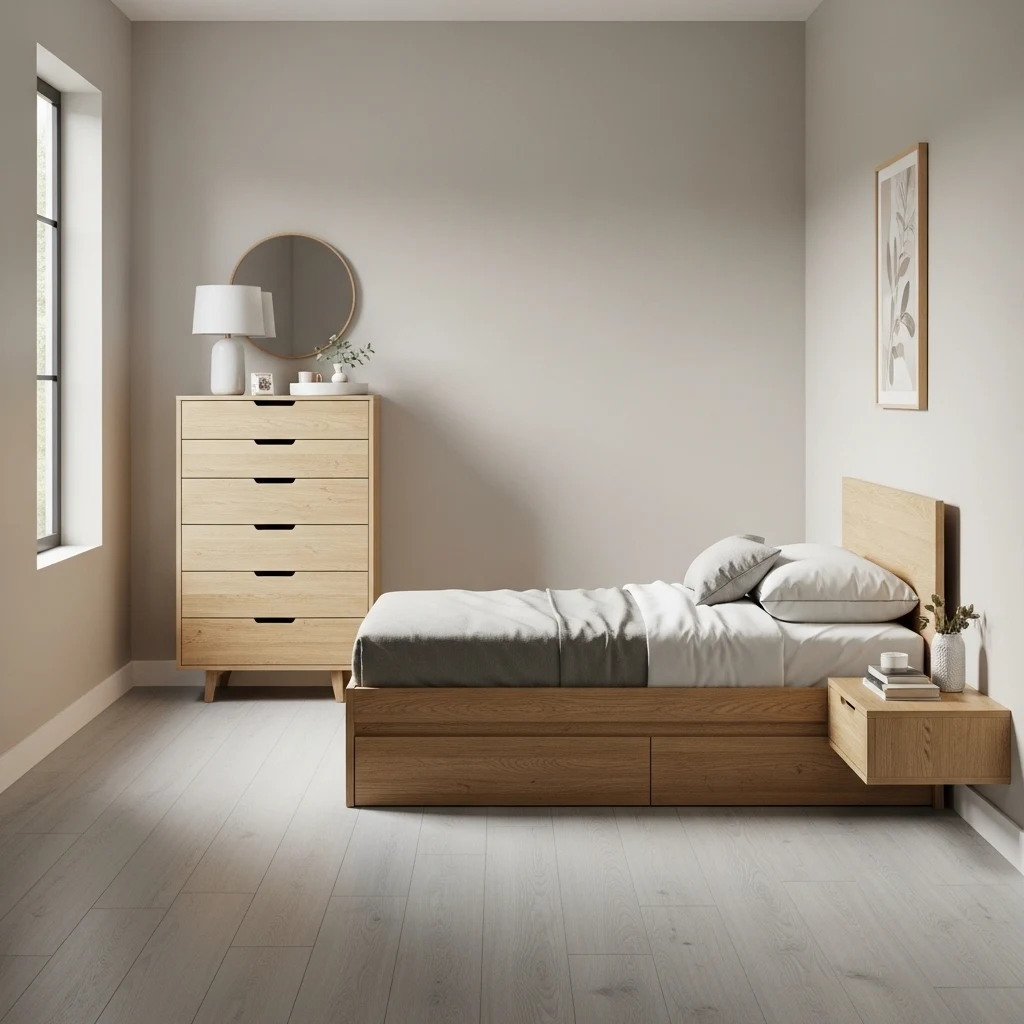
Let’s talk about something people rarely admit.
Oversized furniture ruins small bedrooms.
That giant dresser might look impressive in a showroom, but it can overwhelm a small rectangular room.
Smart Furniture Choices
Look for pieces that offer function without bulk.
Great options include:
- Low profile beds that reduce visual clutter
- Narrow dressers instead of wide ones
- Wall mounted shelves instead of bulky bookcases
- Slim nightstands with storage
These choices keep the room open and breathable.
I once replaced a massive dresser with a slim vertical one and gained almost two feet of usable space. Two feet may not sound exciting until you live in a small bedroom.
Discover Slim Dressers for Small Rooms
Use Corners Wisely
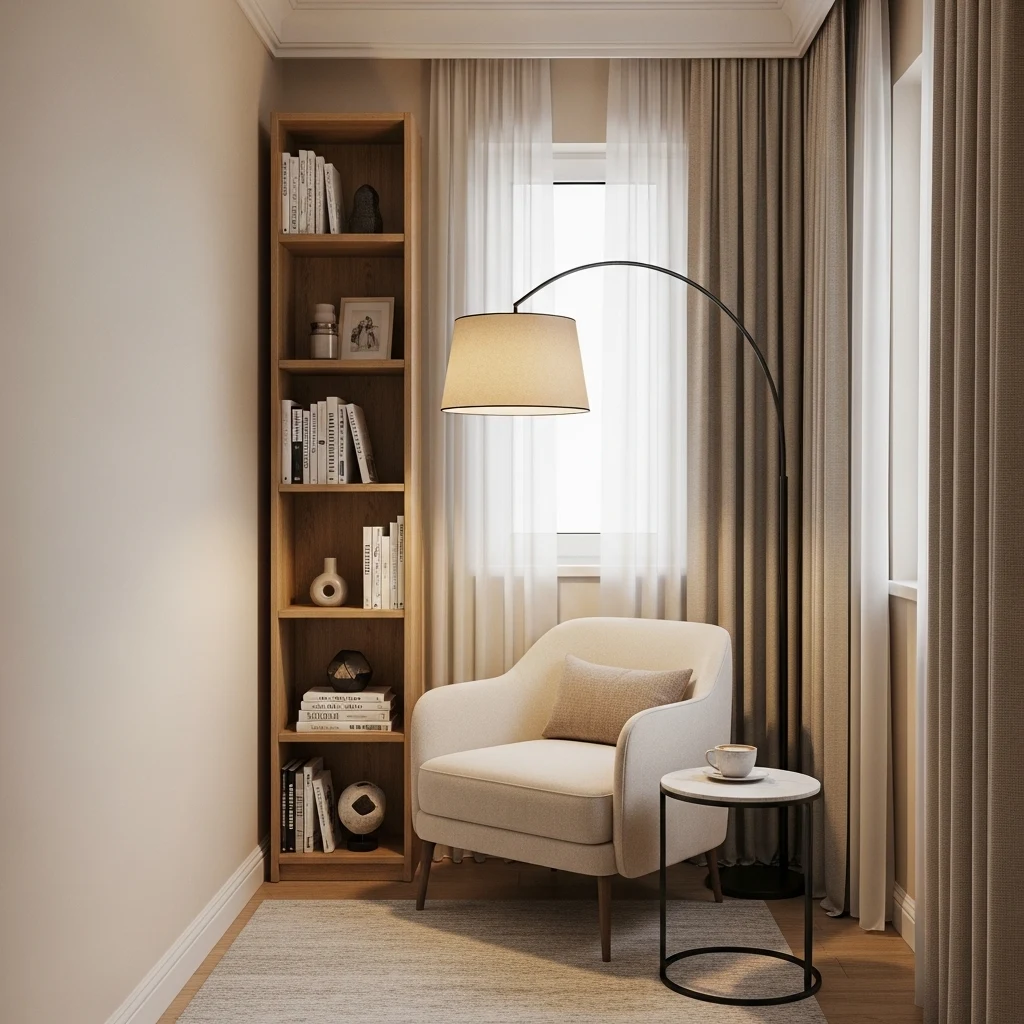
Corners often become wasted space. People ignore them because they feel awkward to decorate.
But in a small rectangular bedroom, corners can save your layout.
Smart Corner Ideas
You can turn corners into useful zones with the right furniture.
Consider using:
- Corner shelves for books or decor
- A small corner desk for work or study
- A tall corner lamp for lighting
- A corner plant to soften the room
Tall vertical items work especially well in corners because they use height instead of floor space.
And yes, a plant can make a room feel calmer. Science agrees. Your brain enjoys a bit of greenery.
Find Corner Desks That Save Space
Use Vertical Space
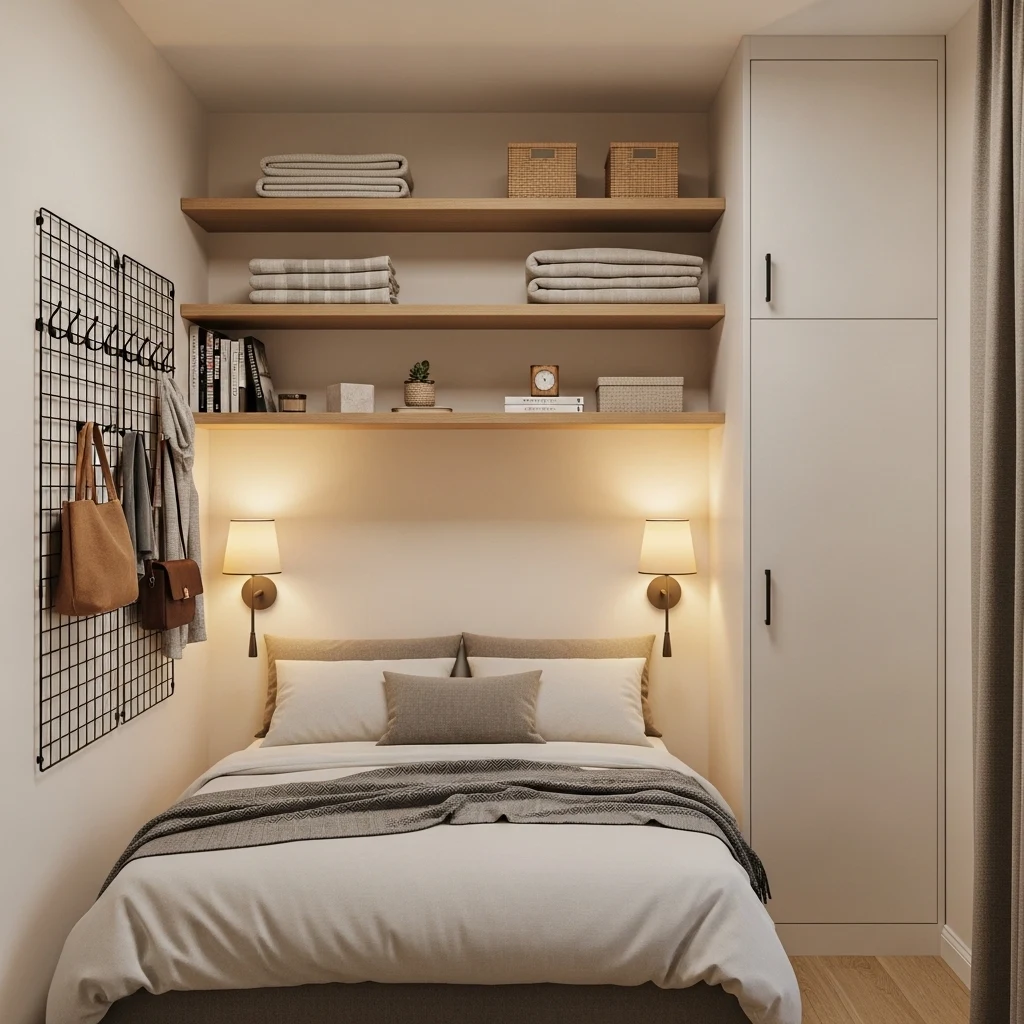
When floor space disappears, you look up.
Many small bedrooms ignore the walls above eye level. That space sits empty while the floor struggles with clutter.
Smart Vertical Storage
Use your walls to store and organize items.
Try these ideas:
- Floating shelves above the bed
- Wall mounted lighting instead of table lamps
- Tall narrow wardrobes
- Hanging organizers behind the door
Vertical storage keeps the floor clear, which instantly makes the room feel larger.
Ever noticed how tiny apartments in big cities feel organized? They rely heavily on vertical space.
Position Your Dresser Strategically
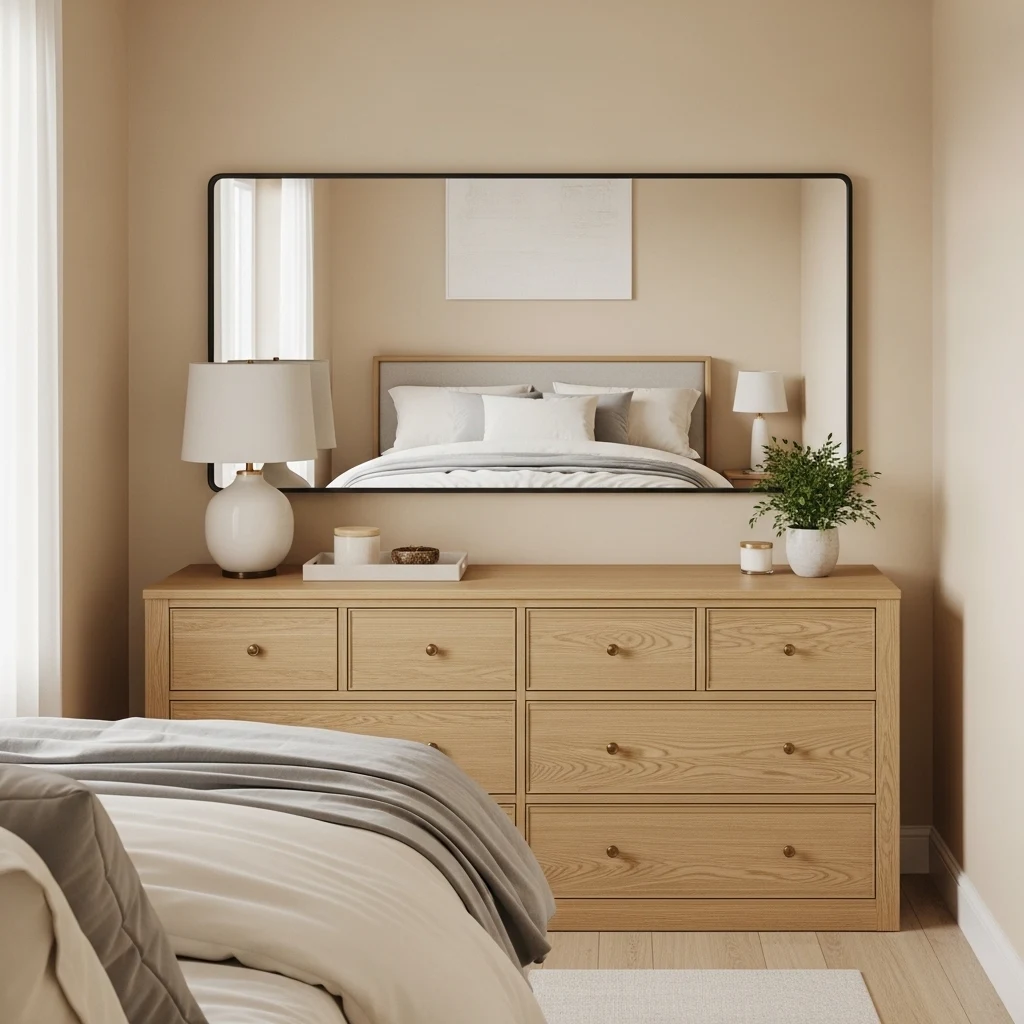
Dressers create another common layout problem. They need space to open drawers and space to walk around them.
In a small rectangular bedroom, placement matters.
Best Dresser Locations
The dresser usually works well in one of these spots:
- Across from the bed
- Beside the closet
- Along the shorter wall
These positions keep the room balanced.
Avoid placing a dresser directly in the middle of the room’s long side if the bed already occupies that wall. That setup creates a narrow hallway effect that feels uncomfortable.
Keep the Layout Visually Light
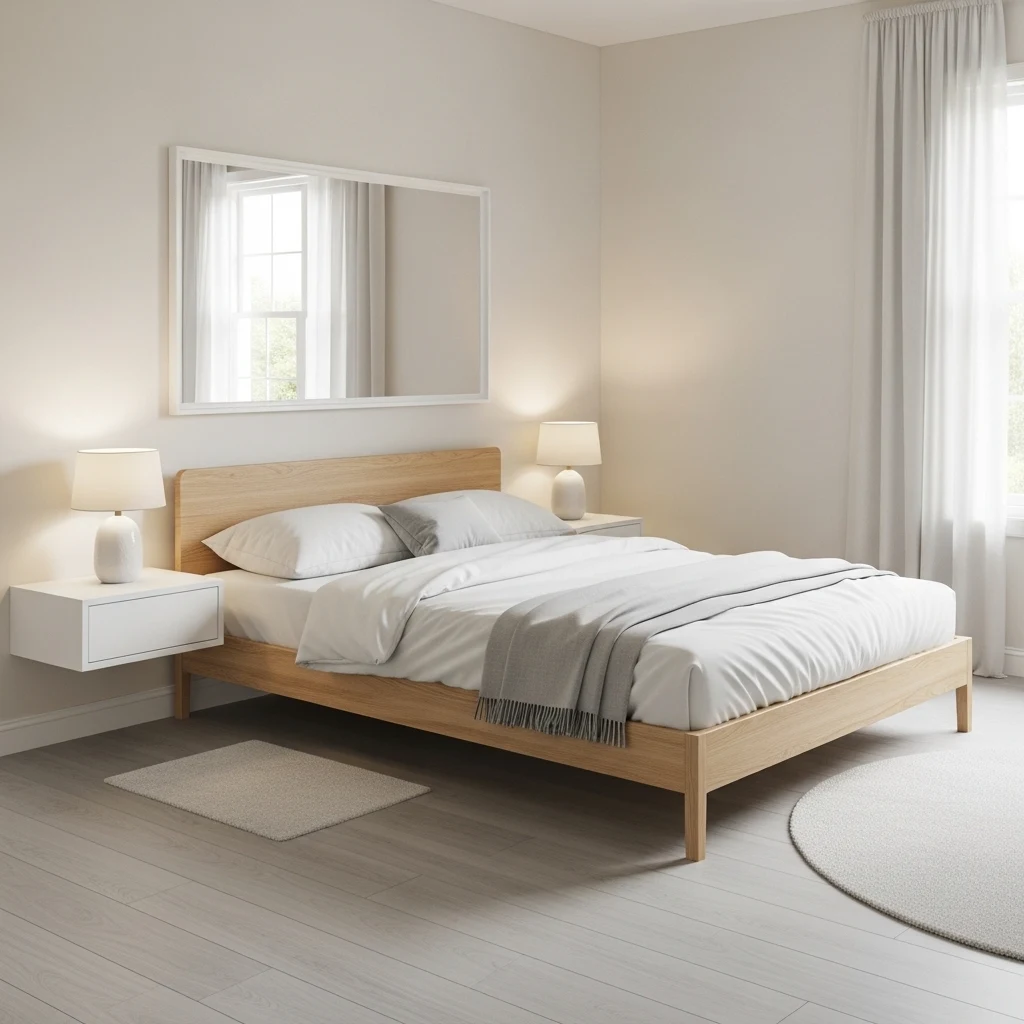
Small bedrooms suffer from visual clutter more than physical clutter.
Too many heavy pieces make the room feel crowded even if the layout technically works.
Simple Ways to Lighten the Room
Use design tricks that reduce visual weight.
Helpful ideas include:
- Light colored furniture
- Legged furniture that shows floor space
- Mirrors that reflect light
- Minimal decor
A mirror across from a window works especially well. It spreads natural light and creates the illusion of more space.
It sounds like a simple trick, but it works surprisingly well.
Shop Stylish Mirrors for Small Bedrooms
Try the Zone Method
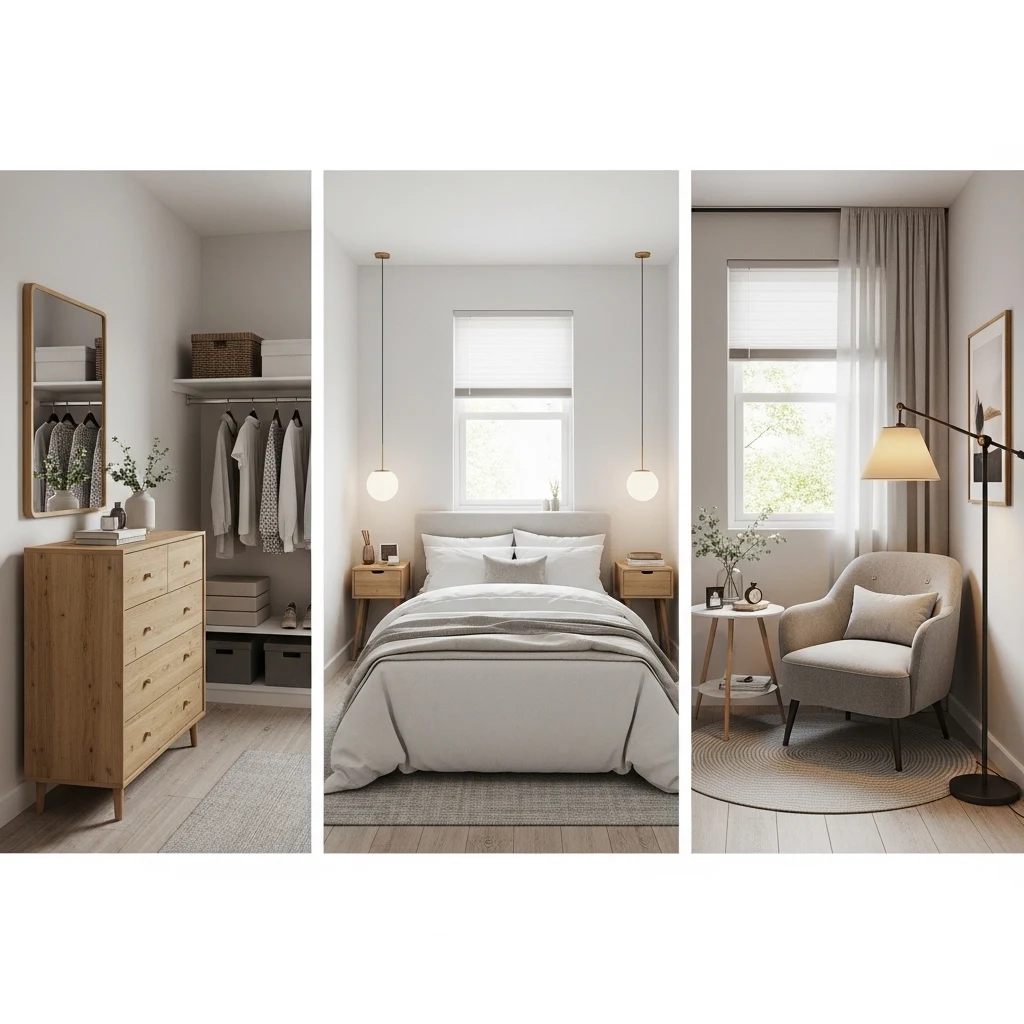
This trick works great for rectangular bedrooms.
Instead of treating the room as one big space, divide it into small functional zones.
Example Bedroom Zones
You might create:
- Sleeping zone with bed and nightstand
- Storage zone with dresser or wardrobe
- Relaxing zone with chair or bench
Each zone gets a clear purpose.
This method keeps the room organized and prevents furniture from crowding one area.
And yes, even small rooms can support multiple zones when you plan carefully.
Discover Small Bedroom Chairs and Benches
Test Your Layout Before Committing
Rearranging furniture can feel like a workout. Nobody wants to move a heavy bed five times in one afternoon.
So test your layout first.
Easy Planning Tricks
Before moving furniture, try:
- Sketching the room on paper
- Using painter’s tape to mark furniture size on the floor
- Measuring the room and furniture
These quick steps prevent a lot of frustration.
Trust me, realizing your dresser blocks the closet after moving everything feels incredibly annoying.
Conclusion
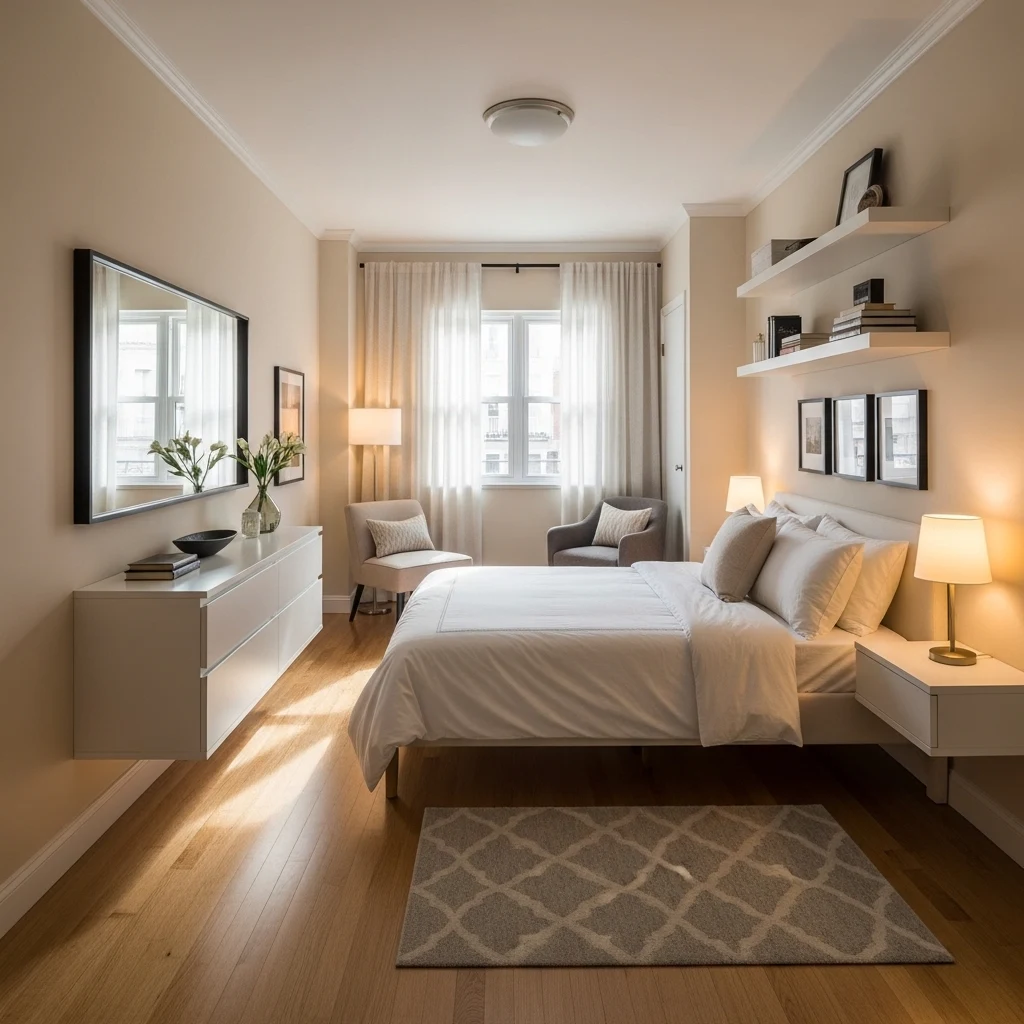
Arranging furniture in a small rectangular bedroom does not require magic. It requires smart placement, thoughtful furniture choices, and a bit of creativity.
Focus on bed placement, clear walking paths, proper furniture size, vertical storage, and smart use of corners. Those simple principles transform a cramped bedroom into a comfortable space that actually works.
And remember something important. You do not need a massive room to create a great bedroom layout. You just need a good plan and the willingness to move things around a little.
So the next time your bedroom feels awkward, ask yourself one question. What happens if I move the bed first? You might be surprised how quickly the rest of the room falls into place.
What is the best way to place a bed in a small rectangular bedroom?
The best spot for a bed in a small rectangular bedroom is along the long wall. This balances the room and maximizes walking space on both sides.
In narrow rooms, placing the bed against a short wall or in a corner can open up space for other furniture. Always leave at least 24 inches around the bed for easy movement.
How can I make a small rectangular bedroom feel larger?
To make a small rectangular bedroom feel larger, use visual tricks and smart furniture choices. Choose light-colored or low-profile furniture. Add mirrors to reflect light and keep walking paths clear.
Use vertical storage and corner shelves to free up floor space. Even small changes, like showing floor under furniture, can make the room feel airy.
What furniture should I avoid in a small rectangular bedroom?
Avoid oversized furniture that takes over the room. Wide dressers, bulky armchairs, and large bed frames can make the space feel tight.
Instead, opt for slim, vertical, or legged pieces that use height rather than floor space. Multi-functional furniture, like storage beds or nightstands with drawers, helps control clutter.
Can corners be used effectively in small bedrooms?
Absolutely. Corners in small bedrooms are great for storage and decor. You can add a corner desk, shelves, or a tall lamp to use that awkward space.
A small plant or decorative piece can also soften the room and add character. Using corners wisely keeps the floor space open and organized.
How do I plan furniture layout without moving heavy pieces repeatedly?
You can plan furniture layout in advance by sketching the room on paper or using painter’s tape to mark where the furniture will go.
Measure all furniture and room dimensions carefully. Planning ahead avoids heavy lifting and ensures a good flow with clear walking paths and functional zones.