Why a Silk Pillowcase Transforms Your Hair Overnight
You spend twenty minutes every morning detangling your hair. Yet, it still looks like you wrestled with a tumble dryer at night.
Sound familiar? I used to think switching to a silk pillowcase was just a luxury for those with too much money. But after trying one, I haven’t looked back.
The difference was clear within a week. I noticed less frizz and fewer broken strands on my pillow.
My hair actually looked like I styled it the night before. Let’s explore what happens while you sleep. The science behind this is truly fascinating.
What Your Regular Pillowcase Is Actually Doing to Your Hair
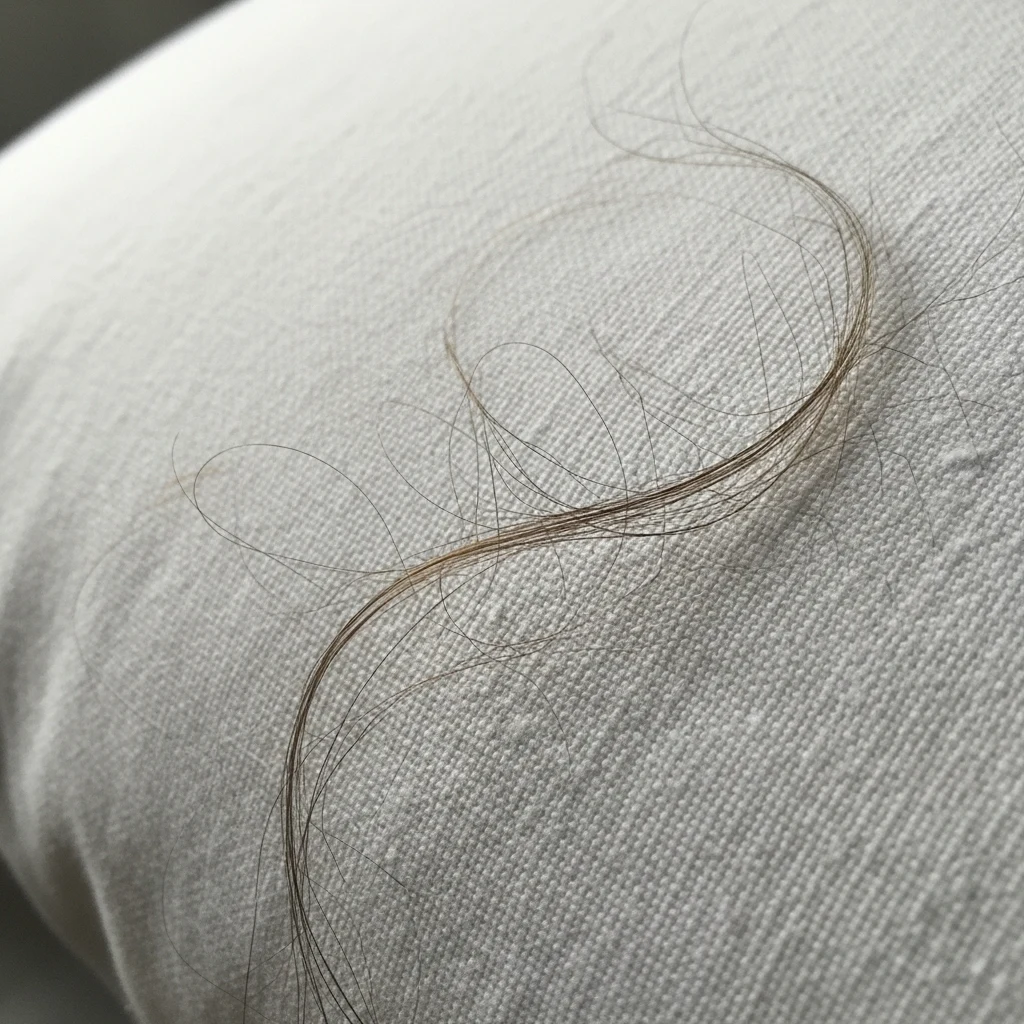
Here is something nobody tells you when you are building your hair care routine: your pillowcase is quietly undoing most of your hard work every single night.
The Friction Problem
Cotton and polyester pillowcases have a rough surface texture at the microscopic level.
When you move around in your sleep (and most people move far more than they realize), your hair strands rub against that rough surface repeatedly. This friction does three things:
- Roughens the hair cuticle, causing strands to look dull and frizzy
- Creates mechanical breakage, snapping fine or already-damaged hair
- Tangles the hair shaft, leading to those impossible morning knots
Your hair cuticle is the outer protective layer of each strand. Think of it like roof shingles. When those shingles lie flat, your hair looks shiny and smooth.
When friction lifts and chips them repeatedly, your hair looks rough, frizzy, and dull. Cotton is essentially sandpaper compared to silk, and it works on your hair all night long.
Moisture Absorption: The Silent Thief
Cotton is a highly absorbent fabric. That is great for towels. It is terrible for your hair.
As you sleep, your cotton pillowcase actively pulls moisture from your hair strands and from any product you applied the night before.
If you spend money on leave-in conditioners, hair oils, or overnight masks, a cotton pillowcase absorbs a significant portion of that product before your hair even gets the benefit.
You are essentially moisturizing your pillow. Which, last time anyone checked, does not need soft, hydrated hair.
Why Silk Works Differently
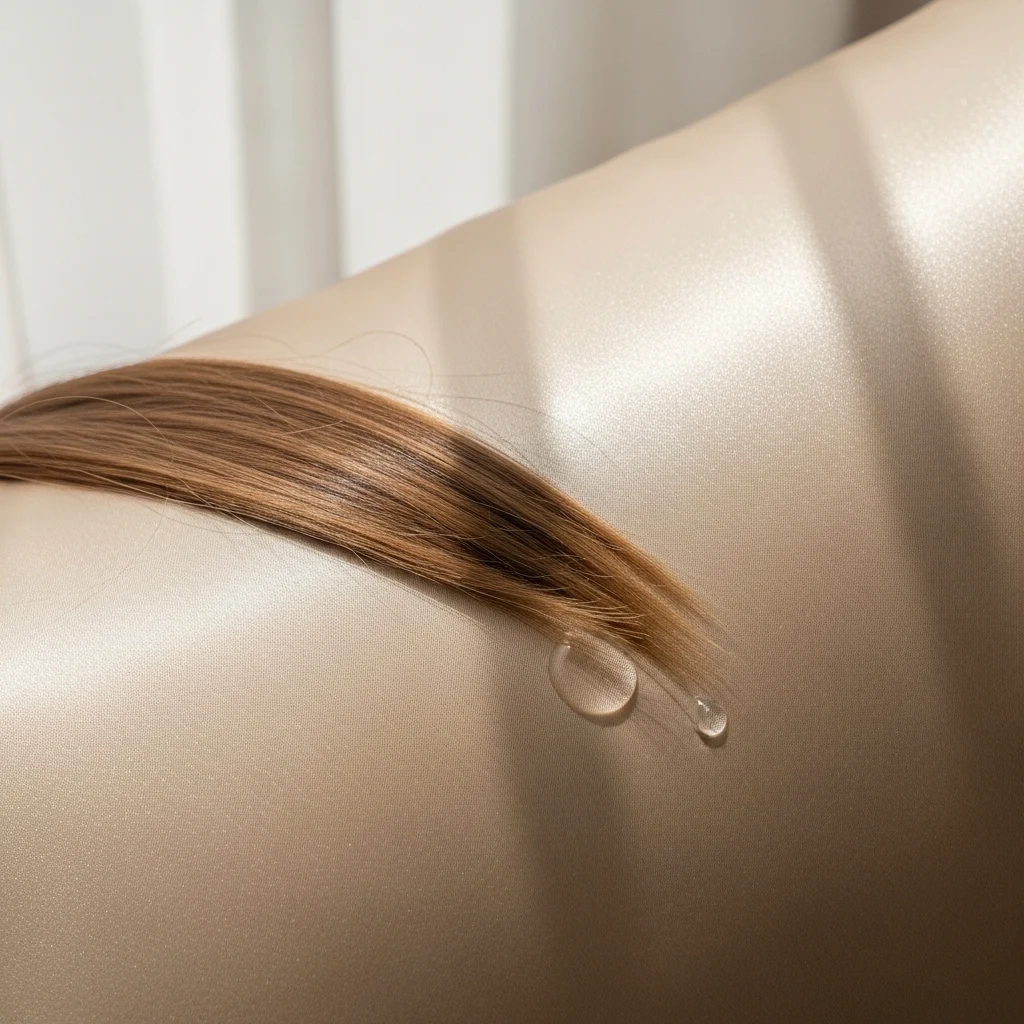
Silk is a naturally smooth protein fiber, and that smoothness changes everything about how your hair behaves overnight.
The Low-Friction Surface
Silk’s tightly woven, smooth surface dramatically reduces the friction your hair experiences during sleep. Instead of your strands catching and dragging across a rough surface, they glide. This means:
- The hair cuticle stays flat and sealed
- Tangles form far less frequently
- Breakage from mechanical stress drops significantly
- Your blowout, braid-out, or natural curl pattern actually survives the night
I noticed this first with my blowout. I used to get one day, maybe two if I was lucky and did not move in my sleep like a person being chased.
On a silk pillowcase, I started getting three to four days from a single blowout. That alone paid for the pillowcase several times over.
Silk Does Not Steal Your Moisture
Unlike cotton, silk does not absorb moisture from your hair. It is a low-absorbency fabric, which means your hair retains its natural oils and any product you apply stays on your strands where it belongs.
This matters enormously for people with dry, curly, color-treated, or chemically processed hair. These hair types already struggle to retain moisture.
A cotton pillowcase compounds that problem every single night. Silk simply gets out of the way and lets your hair do its thing.
A Bonus Your Skin Will Thank You For
While this article focuses on hair, it would be wrong not to mention that your skin benefits from the same low-friction, low-absorption properties.
Fewer sleep creases, less moisture loss, and a gentler surface for anyone dealing with sensitive or acne-prone skin. Two birds, one very smooth stone.
The Hair Types That Benefit Most From Silk
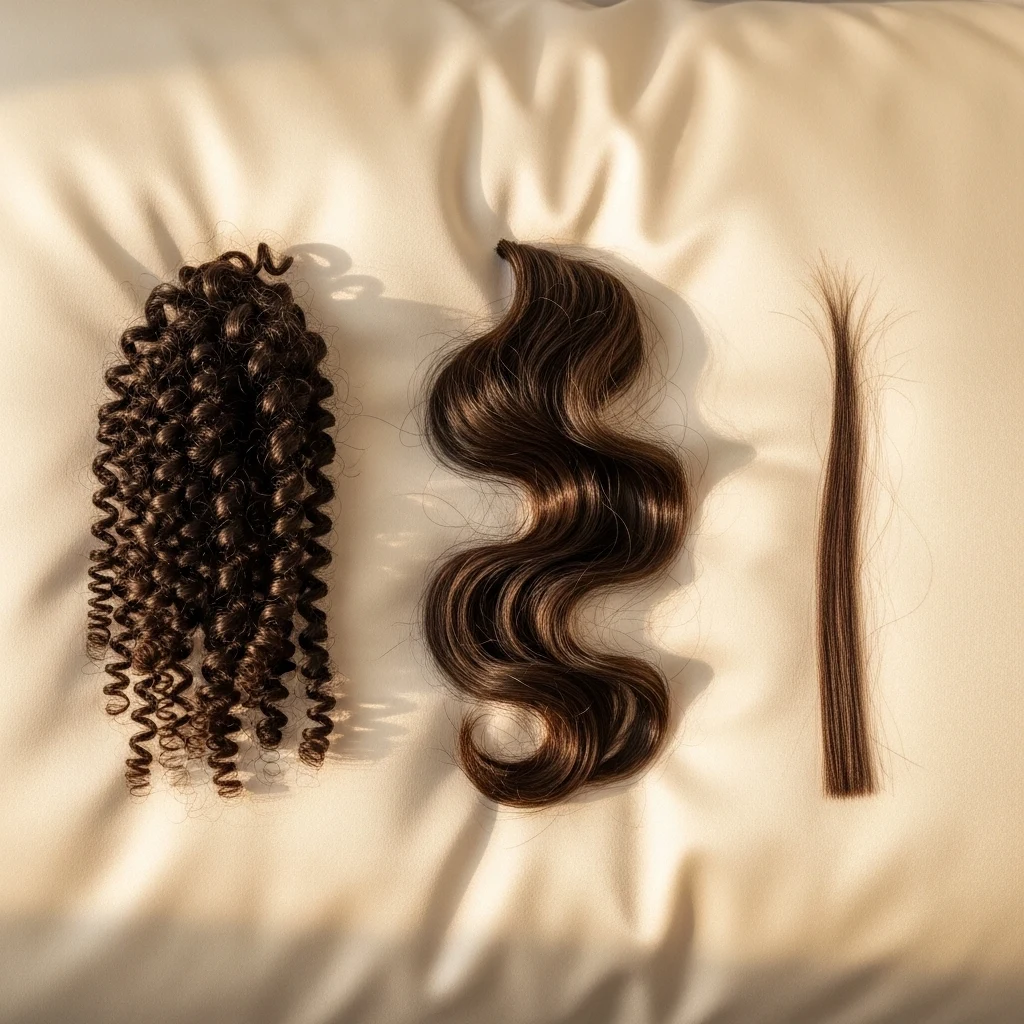
Honestly, most hair types see some benefit. But certain hair types experience a more dramatic transformation.
Curly and Coily Hair
Curly and coily hair types are the biggest winners here. These textures are naturally drier because the curl pattern makes it harder for scalp oils to travel down the hair shaft.
They are also more prone to tangling and breakage. Cotton pillowcases accelerate every one of these problems.
Silk pillowcases reduce friction, keep moisture in, and help curls maintain their definition overnight.
Many people with curly hair have ditched the traditional “pineapple” sleep method entirely after switching to silk. The pillowcase does enough of the protective work on its own.
Fine and Color-Treated Hair
Fine hair breaks easily. Color-treated hair is structurally compromised compared to virgin hair.
Both of these hair types desperately need less mechanical stress in their lives, and a silk pillowcase delivers exactly that.
Reduced nightly friction means less daily shedding and breakage, which translates to hair that looks and feels thicker and healthier over time.
Natural and Heat-Styled Hair
Whether you wear your hair in its natural state or you rely on heat styling, you are protecting your investment with silk.
Natural styles like twist-outs and wash-and-gos last longer when the fabric you sleep on does not disturb the curl pattern.
Heat-styled hair maintains its shape far better when it is not battling a rough surface all night.
What to Look for When Buying a Silk Pillowcase
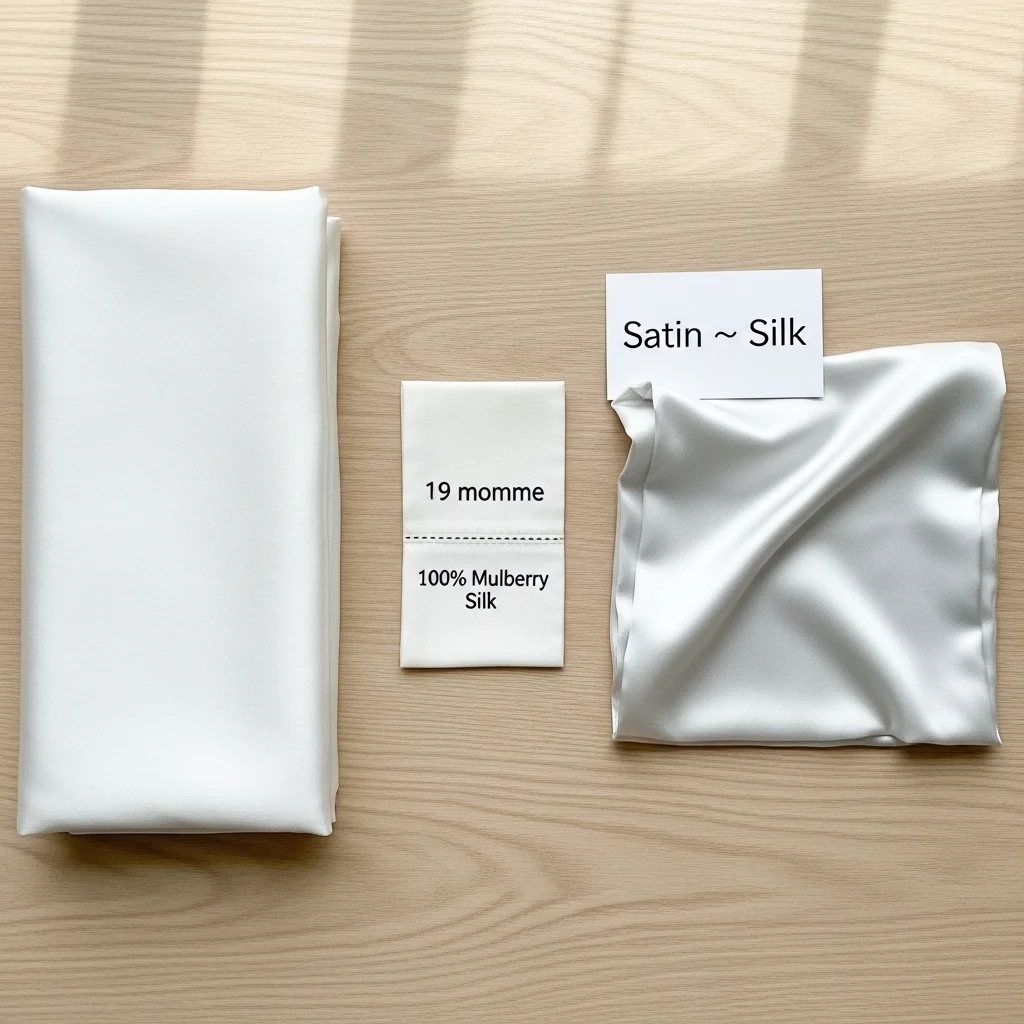
Not all silk pillowcases are equal, and the market is flooded with options that use the word “silk” very loosely.
Momme Weight Matters
Momme (mm) is the unit used to measure silk fabric weight and quality. Here is a simple breakdown:
- 15-19 momme: Lightweight, budget-friendly, decent quality for hair use
- 19-22 momme: The sweet spot for most people, good durability and smoothness
- 22-25 momme: Luxurious, thicker, and very durable, worth the investment if you care about longevity
Anything below 15 momme tends to be quite delicate and may not hold up well over time. Anything marketed as silk but priced suspiciously low is almost certainly satin or a synthetic blend.
Shop Silk Pillowcases On Amazon
Mulberry Silk vs. Other Types
Mulberry silk is the gold standard. It comes from silkworms raised on mulberry leaves, which produces a finer, more uniform fiber than other silk varieties.
It is smoother, stronger, and more consistent in quality. If a pillowcase does not specify the type of silk, that is worth questioning.
Charmeuse is the weave most commonly used for silk pillowcases. It has a glossy side and a matte side. The glossy side faces your hair and skin, and it is that smooth surface that delivers the benefits.
Find Mulberry Silk Pillowcases On Amazon
Satin vs. Silk: Do Not Get Fooled
This is the one area where a little skepticism serves you well. Satin is a weave, not a fabric. Satin can be made from silk, polyester, or other synthetic materials.
Polyester satin pillowcases are far cheaper than real silk and they do offer some reduction in friction compared to cotton.
However, they do not provide the same moisture-retention benefits, and they tend to retain heat, which can make for an uncomfortable night.
If you want the full hair-transforming package, genuine silk is worth the investment.
Browse Genuine Silk Pillowcases On Amazon
How to Get the Most Out of Your Silk Pillowcase
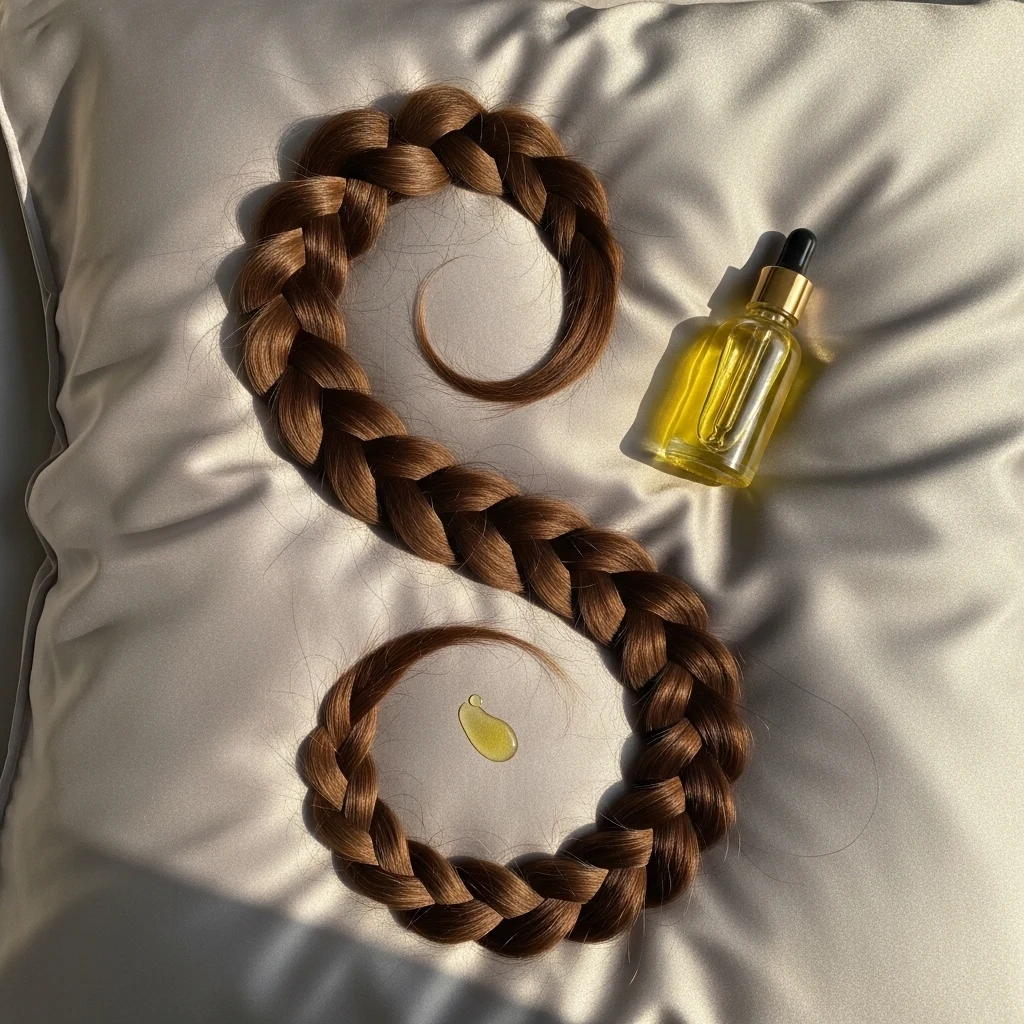
Owning a silk pillowcase is a good start, but pairing it with a few simple habits maximizes the results.
Sleep With Your Hair Loose When Possible
Tight hairstyles like ponytails and buns create tension at the roots and along the hair shaft.
Sleeping with your hair loosely down or in a very loose braid lets the silk surface do its job across your entire length.
If you have very long or very thick hair, a loose braid or a gentle clip keeps things manageable without adding stress to the hair.
Apply Overnight Treatments Confidently
Since silk does not absorb your products, overnight treatments actually work as intended.
A few drops of a hair oil or a small amount of leave-in conditioner applied before bed will still be there in the morning, absorbed into your hair rather than your pillowcase.
This makes your hair care routine significantly more effective without adding any extra steps.
Wash Your Silk Pillowcase Properly
Silk requires gentler care than cotton. Hand washing in cool water with a gentle detergent is the safest approach.
If you use a washing machine, always use a delicate cycle, a mesh laundry bag, and cold water.
Never wring or tumble dry silk. Lay it flat or hang it to air dry. Treat it well and a good silk pillowcase will last you years.
The Long-Term Hair Benefits You Will Actually Notice
The changes from using a silk pillowcase are not always dramatic after a single night.
Some people see immediate results; others notice a gradual shift over two to four weeks. Here is what consistent use delivers over time:
- Significantly less morning frizz across all hair types
- Reduced breakage, which shows up as fewer strands on your pillow and less hair in your brush
- Better moisture retention, especially for dry or curly hair
- Longer-lasting styles, from blowouts to curl definitions
- Overall improvement in hair texture and shine as the cuticle stays healthier
These are not miraculous claims. They are the logical result of reducing nightly friction and moisture loss, two things that genuinely damage hair with repeated exposure.
Is a Silk Pillowcase Actually Worth the Price?
Let’s be straightforward about this: a quality silk pillowcase costs more than a cotton one.
A good mulberry silk option typically runs anywhere from thirty to one hundred dollars depending on the brand and momme weight. That can feel like a lot for something you sleep on.
But consider what you spend on hair products, treatments, and salon visits in a year. A silk pillowcase actively extends the results of every one of those investments.
Your deep conditioning treatment works better. Your blowout lasts longer. Your hair products absorb into your hair instead of your pillow.
When you frame it that way, the cost starts to look much more reasonable.
It is one of those purchases that quietly pays for itself over time, without you even noticing.
Check Current Prices On Amazon
Final Thoughts
Your pillowcase probably gets zero credit in your hair care routine, and it deserves a lot more attention than it gets.
A silk pillowcase reduces friction, preserves moisture, protects your hair cuticle, and makes your morning routine easier. That is a lot of work for something that just sits there while you sleep.
If your hair has been frustrating you and you have already tried every product on the market, this is the step worth taking.
Start with a good quality mulberry silk pillowcase at 19 momme or above, give it a few weeks, and pay attention to what changes. Chances are, you will wonder why it took you this long to make the swap.
Your hair has been putting up with a rough surface every single night for years. It is time to give it something better to sleep on.
Shop Silk Pillowcases On Amazon Today
Does a Silk Pillowcase Actually Help Your Hair?
Yes, the difference is clear. Silk’s smooth surface cuts down friction on your hair while you sleep. Less friction leads to fewer tangles, less frizz, and much less breakage.
Unlike cotton, silk doesn’t absorb moisture from your hair, so your strands stay hydrated all night. Most people see a real difference in just one to two weeks of regular use.
What Type of Silk Pillowcase Is Best for Hair?
Mulberry silk is the top choice for hair care. It has the finest, most uniform fiber, giving a smooth surface and great durability.
Aim for a momme weight of 19 to 22 for the best quality and longevity. Always ensure the product states 100% mulberry silk.
Be cautious of blends or polyester satin, as they often use similar terms but lack the same benefits.
How Long Does It Take for a Silk Pillowcase To Show Results on Hair?
Some people see results after the first night. They often notice less frizz and fewer tangles in the morning. For bigger changes, like less breakage and better moisture, use it for two to four weeks.
Your hair type also matters. Curly, coily, and color-treated hair usually show the fastest and most noticeable changes.
Is a Silk Pillowcase Better Than a Satin Pillowcase for Hair?
Real silk beats polyester satin in two key ways. First, silk has a smoother, more even surface, which means less friction.
Second, silk doesn’t hold heat like polyester, leading to a more comfortable sleep. While polyester satin does lower friction compared to cotton, it doesn’t retain moisture like real silk.
If you’re on a budget, satin is a decent option. However, for the best experience, choose real mulberry silk.
Can a Silk Pillowcase Help With Hair Breakage and Thinning?
A silk pillowcase tackles a common cause of hair breakage: friction from rough fabrics. By using silk, you lower the stress on your hair while you sleep, which is usually seven to nine hours.
This reduced stress can lead to less shedding and breakage over time.
While silk won’t fix thinning from medical issues or poor nutrition, it does eliminate a major source of preventable damage in your routine.