Organic Cotton vs Linen Sheets for Hot Sleepers
If you’ve ever woken up at 2 a.m., drenched in sweat and glaring at the ceiling, you’re not alone. Hot sleeping is truly awful.
Many don’t realize that their sheets play a big role in this discomfort. The right fabric can change the game between restful sleep and just lying there.
Today, we’re comparing two popular natural fabrics: organic cotton and linen. Both have loyal fans and real perks. The answer to which is best for hot sleepers might surprise you.
What Even Makes a Sheet “Good” for Hot Sleepers?
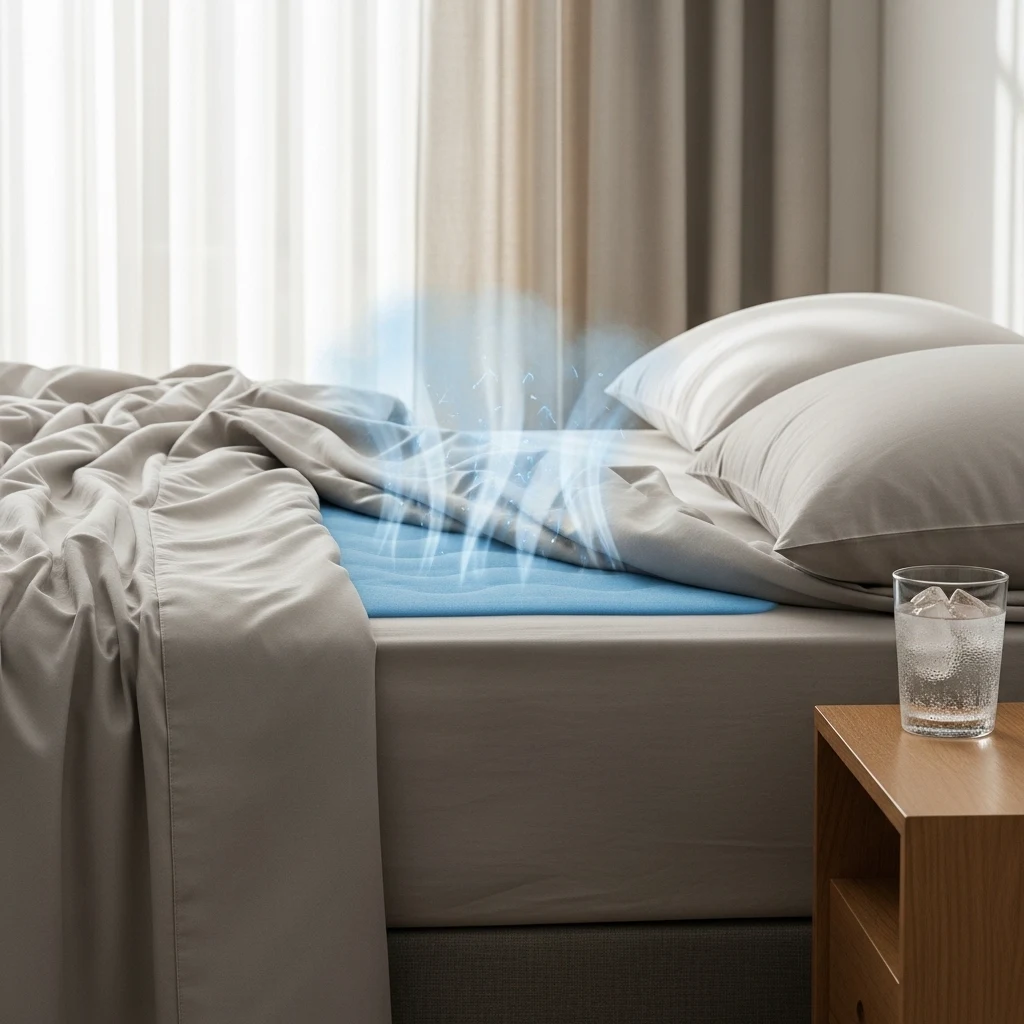
Before we pit these two fabrics against each other, let’s agree on what we’re actually looking for. When you sleep hot, you need sheets that do three things really well:
- Breathe freely so heat doesn’t get trapped against your skin
- Wick moisture so sweat moves away from your body instead of pooling
- Feel cool to the touch so climbing into bed doesn’t feel like sliding into a warm bath
Both organic cotton and linen check most of these boxes, but they do it in very different ways. The details matter a lot here.
Organic Cotton Sheets: The Familiar Favorite
What Makes Organic Cotton Different from Regular Cotton
Most people have slept on cotton sheets at some point.
Organic cotton takes that familiar comfort and removes the synthetic pesticides, harsh chemicals, and processing agents that regular cotton carries.
That means the fabric stays softer at a fiber level and doesn’t leave chemical residues against your skin all night.
For hot sleepers specifically, that cleaner processing matters because over-processed cotton can lose some of its natural breathability. Organic cotton tends to retain more of the fiber’s inherent airflow properties.
How Organic Cotton Handles Heat
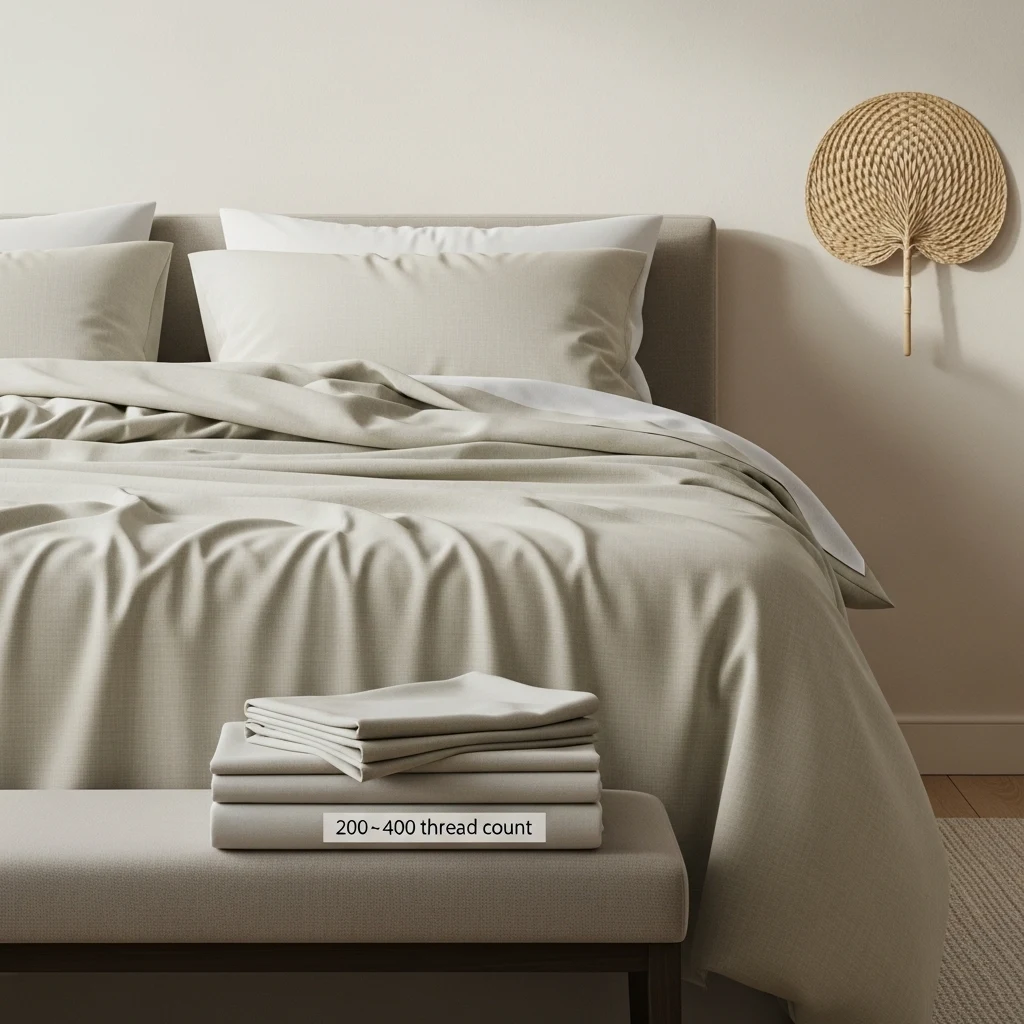
Organic cotton sheets breathe well, especially in lower thread counts. Here’s the thing that surprises a lot of people: a higher thread count does not mean a cooler sheet.
Thread counts above 400 actually create a denser weave that traps heat. If you’re a hot sleeper shopping for organic cotton, look for something in the 200 to 400 range with a percale weave.
Percale weave is the magic word here. It creates a crisp, lightweight feel with a one-over-one-under construction that maximizes airflow.
Sateen weave, on the other hand, has more fibers sitting on the surface, which traps heat and feels warmer.
So if someone tries to sell you on high thread count sateen organic cotton for hot sleeping, smile politely and walk away.
Shop Organic Cotton Percale Sheets On Amazon
The Moisture Factor
Organic cotton absorbs moisture reasonably well, but here’s a limitation worth knowing: it holds onto that moisture.
So if you sweat a lot, organic cotton can start to feel damp rather than dry throughout the night. It absorbs sweat, but it doesn’t release it particularly fast.
For light to moderate hot sleepers, this is usually fine. For people who genuinely drench their sheets, it can become uncomfortable by morning.
Organic Cotton: Quick Snapshot
- Best for: Moderate hot sleepers who want familiar softness
- Weave to look for: Percale, not sateen
- Thread count sweet spot: 200 to 400
- Moisture handling: Absorbs well, releases slowly
- Feel: Soft and smooth from night one
Browse Organic Cotton Sheets On Amazon
Linen Sheets: The Underdog That Runs Hot Sleepers’ Lives
Why Linen Has Such a Devoted Following
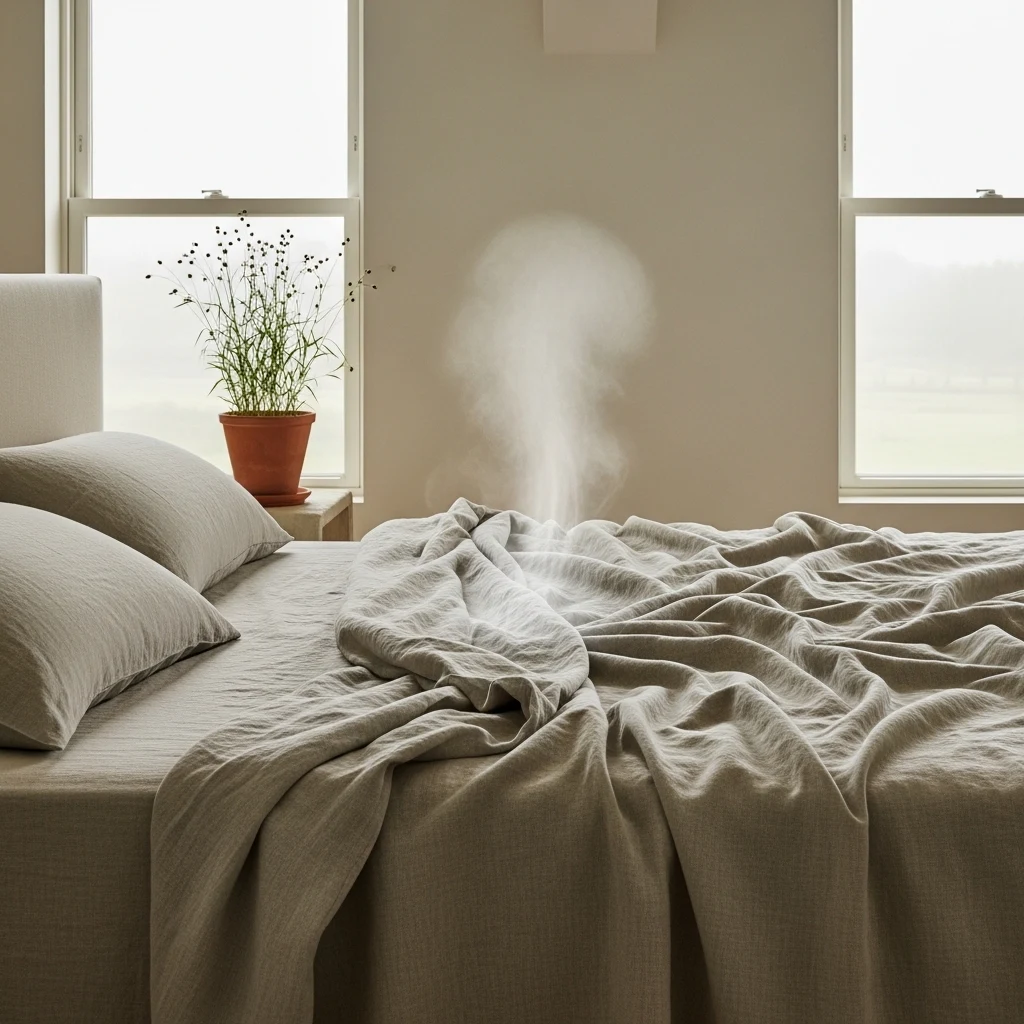
Linen comes from the flax plant, and people have used it for thousands of years for a reason: it is genuinely exceptional at regulating temperature.
If you have never slept on linen sheets, the first night is a little weird because the texture feels nothing like cotton. But ask anyone who has made the switch and they will tell you they cannot go back.
Linen is naturally thermoregulating, which is a fancy way of saying it actively works with your body temperature rather than just sitting there passively.
In warm conditions, it pulls heat away from your skin. In cooler conditions, it provides a little insulation. For hot sleepers, that heat-pulling ability is the whole game.
The Breathability Argument
Linen wins on breathability, full stop. The flax fibers create a naturally loose, open weave structure that allows significantly more airflow than cotton.
You can almost feel air moving through quality linen sheets, which sounds dramatic but is actually accurate.
This is why linen has been the go-to fabric in hot climates for centuries.
People in Mediterranean countries did not reach for linen because it was trendy. They reached for it because it kept them cooler than anything else available.
Moisture Wicking: Linen’s Real Superpower
Here is where linen genuinely separates itself from organic cotton for hot sleepers. Linen does not just absorb moisture, it wicks it away and dries fast.
Linen can absorb up to 20 percent of its weight in moisture before it even starts to feel damp. Then it releases that moisture back into the air quickly.
What this means practically: if you sweat during the night, linen pulls the sweat away from your skin, releases it into the air, and the sheet stays relatively dry to the touch.
That cycle keeps you feeling fresher throughout the night than cotton does.
The Texture Question
Okay, real talk. Linen feels rough at first. That’s just the truth.
New linen sheets have a texture that some people describe as scratchy, and if you’re used to buttery soft cotton, the first week on linen is an adjustment.
The good news is that linen softens significantly with every wash. After a few months, quality linen gets genuinely beautiful and soft.
It’s basically the fabric equivalent of a friendship that takes a little time but turns out to be the best one you ever made.
Linen: Quick Snapshot
- Best for: Heavy sweaters and serious hot sleepers
- Breathability: Superior to organic cotton
- Moisture handling: Wicks and releases quickly
- Feel: Initially coarse, gets softer with use
- Durability: Outlasts cotton by years with proper care
Head-to-Head: The Key Differences That Actually Matter
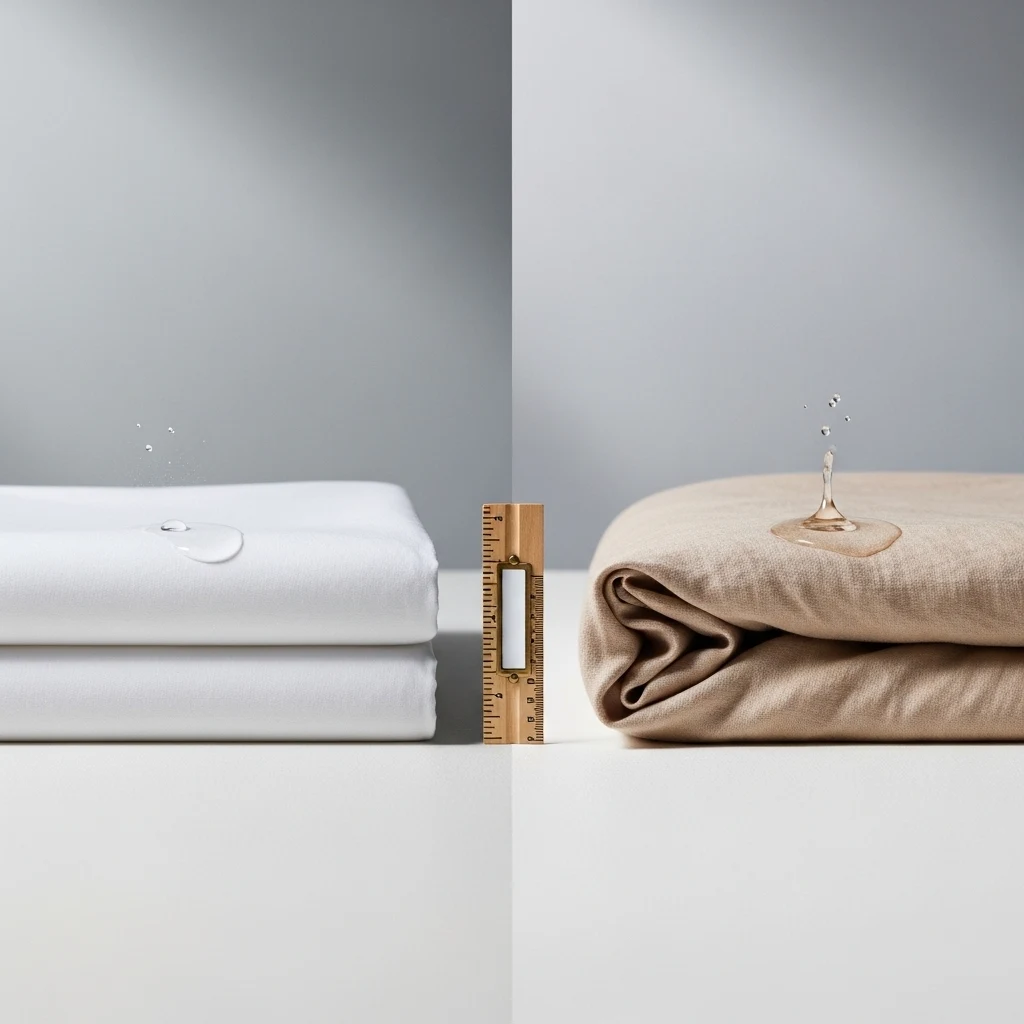
Let’s lay this out clearly because this is where the decision really lives.
| Feature | Organic Cotton | Linen |
|---|---|---|
| Breathability | Good (percale) | Excellent |
| Moisture wicking | Absorbs, holds | Absorbs, releases |
| Initial softness | Soft from day one | Rough, softens over time |
| Durability | 3 to 5 years | 5 to 10 years or more |
| Price point | More affordable | Higher upfront cost |
| Eco-friendliness | Good (organic certification) | Excellent (minimal water use) |
Compare Organic Cotton And Linen Sheets On Amazon
Which One Should You Actually Choose?
Go With Organic Cotton If…
You sleep warm but not excessively so, and you value that immediate softness that makes bed feel like the reward it should be.
Organic cotton in a percale weave at a mid-range thread count delivers solid temperature regulation without the adjustment period linen requires.
It’s also generally more budget-friendly, which matters when you’re buying a full set.
Organic cotton is also the better pick if you share a bed with someone who runs cold. Its moderate breathability does not create that sometimes-too-cool feeling that linen can produce on chilly nights.
Go With Linen If…
You wake up drenched and desperate and no sheet has ever really solved it. If your hot sleeping crosses from “I run a little warm” into “I am genuinely concerned about how much I sweat,” linen is the answer.
Its moisture-wicking ability and superior breathability operate at a level that organic cotton simply cannot match.
Linen is also worth the investment if you live in a hot and humid climate. Humidity makes hot sleeping dramatically worse because sweat does not evaporate easily from your skin.
Linen’s fast-drying properties counteract that in a way that makes a real and immediate difference.
A Note on Budget
Linen costs more upfront. A quality linen set will run you significantly more than comparable organic cotton. But linen also lasts two to three times longer with proper care.
Over the life of the sheets, the cost per year often evens out or even tips in linen’s favor. Think of it as a long-term investment in not waking up feeling like you slept in a puddle.
Care Tips for Both Fabrics
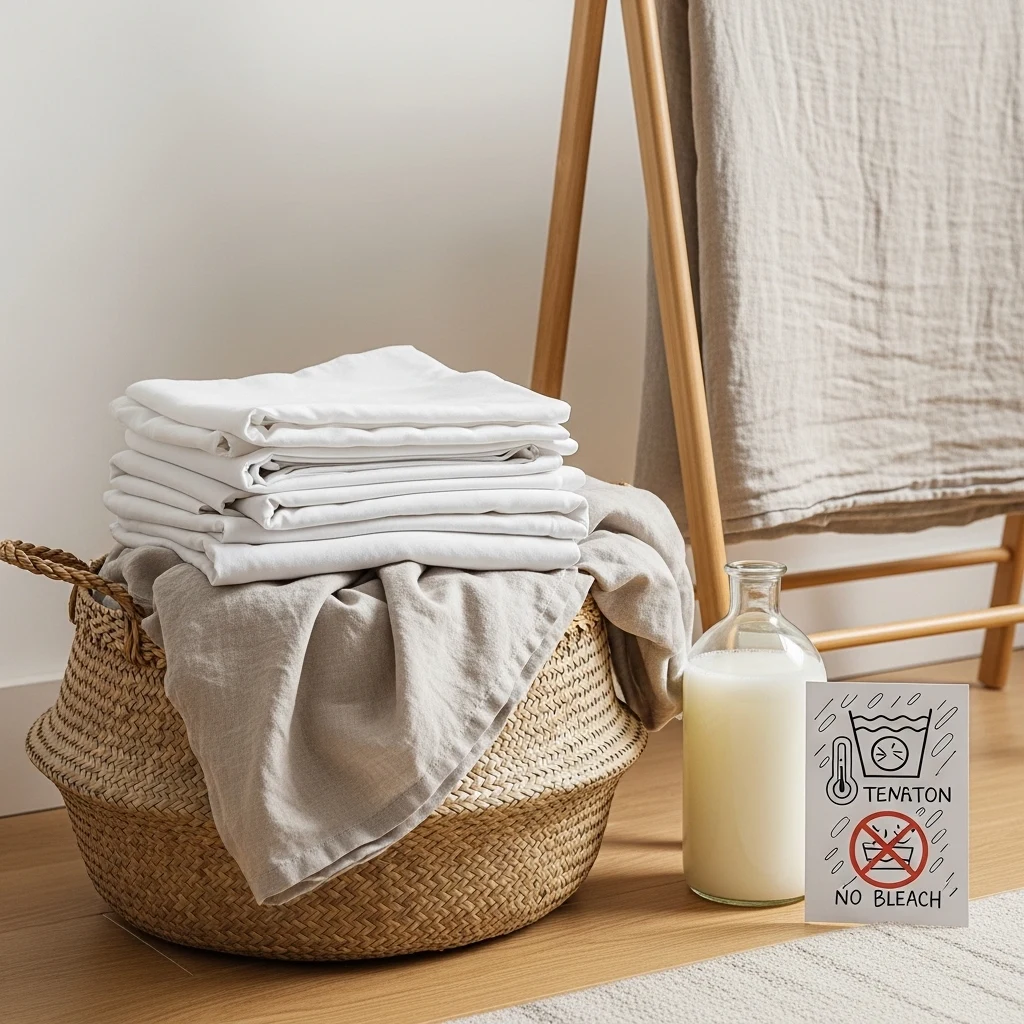
Hot sleepers wash their sheets more often than average, which means care matters a lot.
For organic cotton:
- Wash in cool or warm water, not hot
- Tumble dry on low to preserve fiber integrity
- Avoid fabric softeners, which coat fibers and reduce breathability over time
For linen:
- Wash in cool water to prevent shrinkage
- Line dry or tumble dry on low
- Do not use bleach, which breaks down flax fibers
- Expect the sheet to soften noticeably after the first three to five washes
The Verdict
Both organic cotton and linen beat synthetic fabrics by a wide margin for hot sleepers.
Within the natural fabric category, linen is the superior choice for serious heat and heavy sweating, while organic cotton in percale weave handles moderate warmth beautifully with less of an adjustment period and a friendlier price tag.
The best thing you can do is figure out how hot you actually sleep. If your current sheets feel warm but manageable, try a quality organic cotton percale set.
If you’ve been through multiple cotton options and nothing has worked, stop delaying the inevitable and get yourself some linen. Your future well-rested self will genuinely thank you.
What Is the Coolest Sheet Material for Hot Sleepers?
Linen is the best sheet material for hot sleepers. Its open weave lets in more airflow than most fabrics. Plus, it pulls sweat from your skin and releases it quickly.
For those who sleep very hot or live in humid areas, linen beats all other natural fabrics, even organic cotton.
Is Organic Cotton Breathable Enough for Hot Sleepers?
Yes, organic cotton can be breathable for moderate hot sleepers, but the weave type is crucial. A percale weave with a thread count of 200 to 400 offers the best airflow.
Sateen weaves and thread counts above 400 trap heat, which defeats the purpose.
If you sleep warm but not too hot, a quality organic cotton percale set will work well. It won’t require the adjustment period that linen does.
Why Does Linen Feel Rough at First?
Linen feels rough at first due to the stiffness of flax fibers. These fibers are tougher than cotton until they break in. The good news is that linen gets softer with each wash.
After three to five washes, it feels much more comfortable. After a few months of regular use, quality linen develops a soft, lived-in feel. Many sleepers actually prefer this to cotton.
Are Linen Sheets Worth the Higher Price Tag?
For hot sleepers, linen sheets are worth the higher cost. With proper care, linen lasts two to three times longer than cotton.
This often makes the yearly cost equal to or less than cheaper cotton sets. Besides durability, linen offers excellent temperature regulation and moisture wicking.
This makes it a smart investment, not just a luxury.
Can Organic Cotton Sheets Be Eco-Friendly?
Yes, organic cotton sheets have real eco-friendly benefits. The organic certification shows the cotton was grown without synthetic pesticides or harmful fertilizers.
This cuts down on environmental damage compared to regular cotton farming.
However, linen from flax uses much less water and fewer resources overall. If environmental impact is your main concern, linen is the greener option.