How to Sleep With Lower Back Pain and Wake Up Pain Free
Lower back pain can ruin a good night’s sleep. You lie down, hoping for rest, but your back feels like it’s hosting a meeting with every nerve in your spine. Does that sound familiar?
I’ve been there too. Sleeping with lower back pain doesn’t mean you have to wake up stiff, sore, and grumpy.
With the right sleep position, mattress setup, and some good habits, you can wake up feeling great again. Want to know how? Let’s dive in.
Why Lower Back Pain Gets Worse at Night
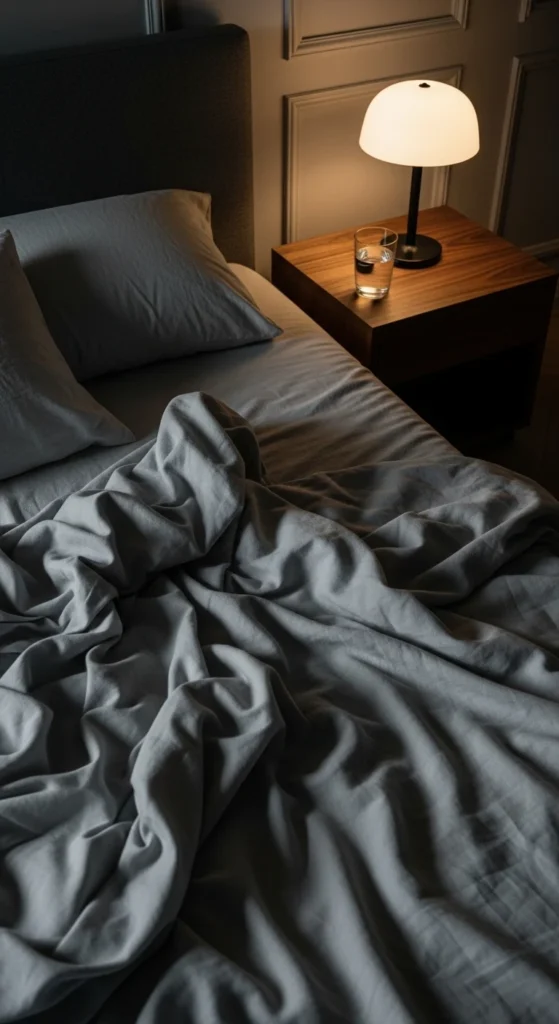
Nighttime should help your body recover. Yet somehow your lower back often hurts more when you try to sleep. Why does that happen?
Your spine spends the whole day supporting your body. When you finally lie down, your muscles relax and your spine settles into whatever position your mattress and pillow allow.
If that position lacks proper support, your lower back absorbs the stress.
A few common issues often cause nighttime back pain:
- Poor sleeping posture
- A mattress that sags or feels too firm
- Pillows that push your spine out of alignment
- Tight muscles from sitting all day
Ever wake up feeling like someone replaced your spine with a rusty hinge overnight? Your sleep setup likely needs a few adjustments.
The Best Sleeping Positions for Lower Back Pain
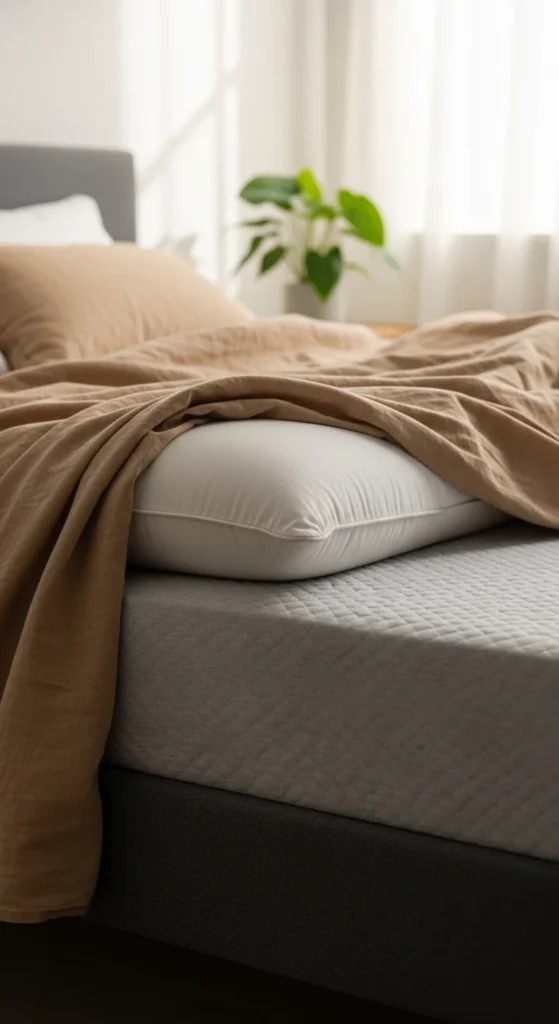
Your sleeping position can make or break your back comfort. Some positions support your spine naturally. Others force your lower back into awkward angles.
Let’s break down the ones that actually help.
Sleeping on Your Side
Side sleeping often works best for people with back pain. It keeps your spine in a fairly neutral position.
Want to make it even better? Try this small trick.
Place a pillow between your knees.
That simple move:
- Keeps your hips aligned
- Reduces pressure on your lower spine
- Prevents your top leg from twisting your pelvis
I started doing this years ago, and the difference surprised me. My back stopped complaining halfway through the night.
Check Out The Best Knee Pillows For Side Sleepers On Amazon
Sleeping on Your Back
Back sleeping works well if you support your spine correctly.
Place a pillow under your knees while lying on your back. This position slightly bends your hips and reduces pressure on the lumbar spine.
Why does this help?
- It flattens the natural arch in your lower back
- It relaxes your spinal muscles
- It spreads your body weight evenly across the mattress
Many people skip the pillow and wonder why their back still aches. That small support changes everything.
See Supportive Knee Pillows That Help Relieve Lower Back Pressure On Amazon
The Position to Avoid
Sleeping on your stomach often creates the most problems.
This position forces your neck to twist and pushes your lower back into an exaggerated arch. Your spine spends the whole night fighting gravity.
Can you sleep on your stomach occasionally? Sure. But if you struggle with lower back pain, this position rarely helps your situation.
Choosing the Right Mattress for Back Support
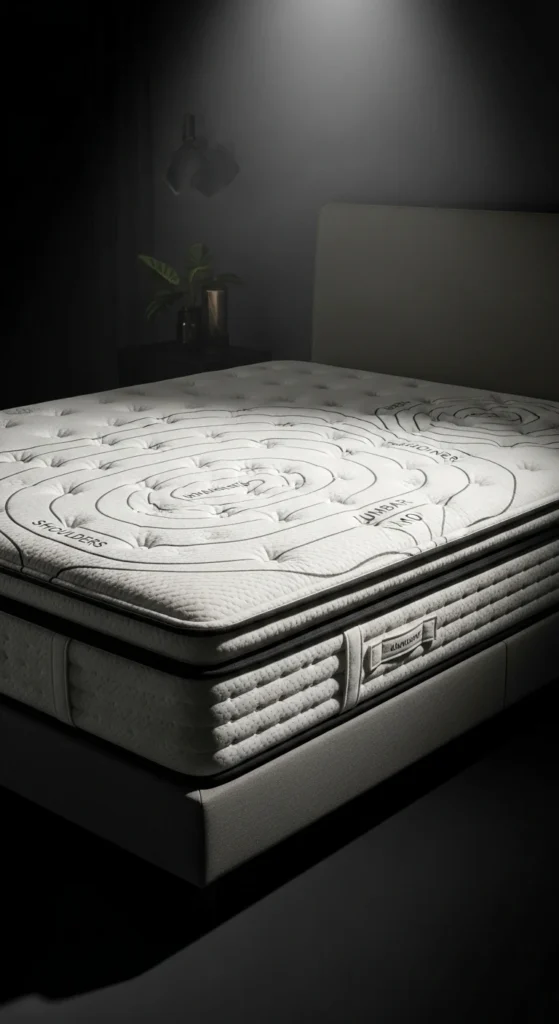
Your mattress plays a huge role in whether you wake up refreshed or regret every life choice that led you to that bed.
The goal is simple. Your mattress should support your spine while relieving pressure points.
What to Look For in a Mattress
A good mattress for lower back pain usually offers a balance between comfort and support.
Look for these features:
- Medium to medium firm support
- Pressure relief around the hips and shoulders
- Even weight distribution
- Strong lumbar support
Too soft and your hips sink like quicksand. Too firm and your spine feels like it slept on a wooden board.
Neither scenario ends well.
Memory Foam vs Hybrid Mattresses
People often ask which type works better.
Here is a quick comparison:
Memory Foam Mattresses
- Excellent pressure relief
- Contours closely to your body
- Great for side sleepers
Hybrid Mattresses
- Combination of foam and coils
- Better airflow and bounce
- Stronger overall support
Personally, I lean toward hybrids because they balance comfort and support well. But the best mattress always depends on your sleeping style.
Browse Highly Rated Mattresses For Back Pain On Amazon
Pillows Matter More Than You Think
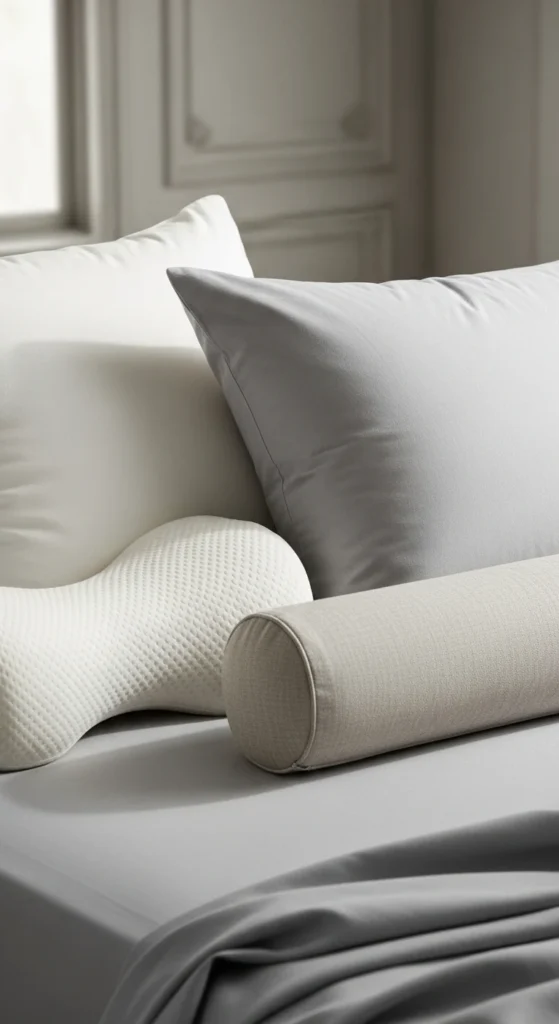
Many people obsess over mattresses and completely ignore their pillow. That pillow quietly decides whether your spine stays aligned all night.
Your pillow should keep your head, neck, and spine in a straight line.
If your pillow sits too high or too flat, your spine bends in ways it does not appreciate.
Choosing the Right Pillow for Your Sleep Position
Your sleep position should guide your pillow choice.
Side sleepers
- Use a thicker pillow
- Fill the gap between shoulder and head
Back sleepers
- Choose a medium height pillow
- Support the natural curve of your neck
Stomach sleepers
- Use a thin pillow or no pillow
Ever wake up with neck pain and back pain at the same time? That pillow might be the culprit.
Explore Supportive Pillows Designed For Proper Spinal Alignment On Amazon
Simple Nighttime Habits That Help Your Back
A good mattress helps, but your habits before bed matter just as much.
Your body needs a little preparation before lying down for hours.
Stretch Before Bed
A quick stretch session loosens tight muscles and prepares your back for rest.
Try simple stretches like:
- Knee to chest stretch
- Cat cow stretch
- Child’s pose
Spend five minutes doing this. Your back will thank you.
Avoid Long Periods of Sitting
Many people sit all day, then expect their back to magically behave at night.
Your spine needs movement.
Stand up, walk around, or stretch every hour during the day. An active spine tends to sleep better at night.
Apply Heat if Needed
Heat relaxes muscles and improves blood flow.
A warm shower or heating pad before bed can reduce stiffness in your lower back.
Think of it as telling your muscles, “Relax, you worked hard today.”
View Popular Heating Pads For Back Pain Relief On Amazon
Small Bedroom Adjustments That Make a Big Difference
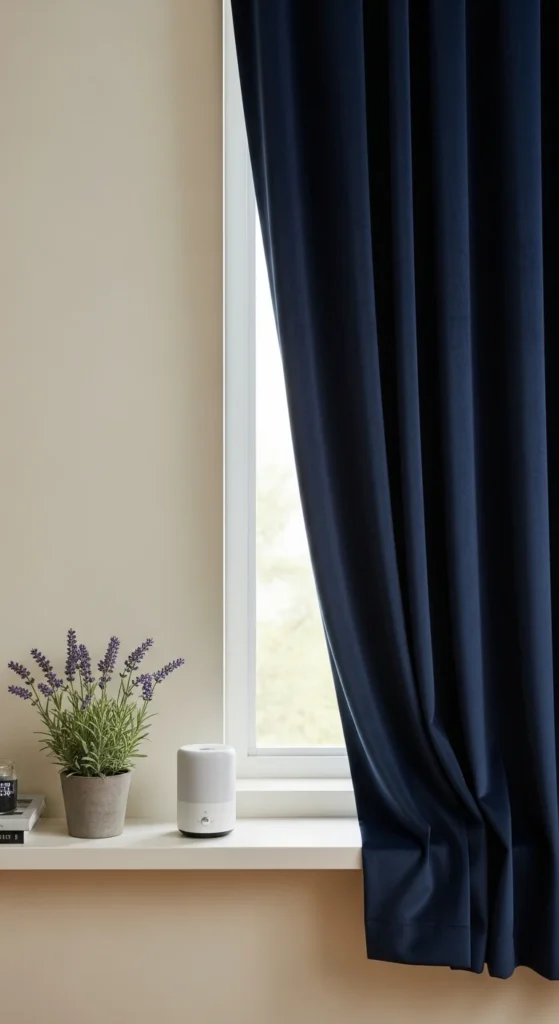
Your entire sleep environment influences how your body rests.
Some small tweaks can make a surprising impact.
Upgrade Your Mattress Foundation
A weak bed frame or worn out foundation ruins even the best mattress.
Make sure your bed provides solid, even support.
Keep Your Spine Neutral
Your sleep setup should keep your spine in a natural line.
That means:
- Pillow height matches your sleep position
- Mattress supports your hips and shoulders
- Extra pillows provide targeted support
When everything aligns correctly, your spine finally gets the break it deserves.
Replace Old Sleep Gear
Mattresses and pillows wear out over time.
General rule of thumb:
- Replace mattresses every 7 to 10 years
- Replace pillows every 1 to 2 years
Sleeping on a decade old mattress often feels like sleeping in a hammock. Your back does not enjoy that adventure.
When to See a Doctor
Most lower back pain improves with better sleep habits and posture. However, sometimes your body asks for professional help.
Watch for these signs:
- Pain lasts longer than several weeks
- Pain spreads down your legs
- Numbness or tingling appears
- Pain worsens instead of improving
A medical professional can identify underlying problems and guide proper treatment.
Ignoring serious pain rarely solves anything.
Conclusion
Lower back pain and good sleep do not have to live on opposite sides of the universe. The right sleep position, supportive mattress, proper pillow, and a few smart habits can transform your nights.
Try sleeping on your side with a pillow between your knees. Support your back with the right mattress. Stretch before bed. Make sure your pillow actually supports your neck.
Will these changes fix everything overnight? Maybe not instantly. But give your spine the support it needs, and you will likely notice a big difference.
And imagine this for a moment. What if you woke up tomorrow morning without that familiar ache in your lower back?
That would be a pretty great way to start the day.
What Is the Best Sleeping Position for Lower Back Pain?
The best position for lower back pain is sleeping on your side with a pillow between your knees. This keeps your hips, pelvis, and spine aligned, reducing pressure on your lower back.
Back sleeping can also help if you put a pillow under your knees. This simple change flattens the natural arch in your lower spine and relaxes nearby muscles.
Both positions aim to maintain a neutral and comfortable spine alignment all night.
Can a Mattress Cause Lower Back Pain While Sleeping?
Yes, a mattress can cause or worsen lower back pain. If it is too soft, your hips may sink too much, misaligning your spine. If it is too firm, it can create pressure points and lack proper support.
A medium or medium-firm mattress usually works best for most people with back pain. This mattress supports the spine while cushioning areas like the hips and shoulders.
How Can I Relieve Lower Back Pain Before Going to Sleep?
A few simple bedtime habits can ease lower back pain and help you relax. Light stretching is effective because it loosens tight muscles and boosts circulation.
Try gentle stretches like knee-to-chest, child’s pose, or cat-cow movements. You might also find relief with a heating pad or a warm shower before bed to soothe the muscles around your spine.
Is It Bad to Sleep on Your Stomach With Lower Back Pain?
Sleeping on your stomach can worsen lower back pain for many. This position forces your spine into an unnatural arch and adds pressure on your lower back.
It also twists your neck to one side for long periods. If you have lower back pain, try side sleeping or back sleeping with proper pillow support. This usually helps your spinal alignment.
How Do I Know if My Mattress Is Causing My Back Pain?
Your mattress might cause back pain if you wake up stiff or sore but feel better after moving. Another sign is visible sagging or uneven support on the surface.
Most mattresses last about 7 to 10 years. If yours is older or doesn’t provide proper support, replacing it can greatly improve sleep comfort and reduce lower back pain.