How to Choose the Best Duvet Insert for Every Season
Getting a good night’s sleep is important. Your duvet insert affects this more than you might think. Pick the wrong one, and you could sweat in July like you’re in the Sahara.
Or, you might shiver in January, wrapped in something that feels like a flimsy tissue. I’ve been there, and trust me, neither option is enjoyable.
Choosing the right duvet insert for each season isn’t hard. You just need to know a few key points before you shop. Let’s break it down so you can sleep well, like you deserve.
Understanding Fill Power: The Number That Actually Matters
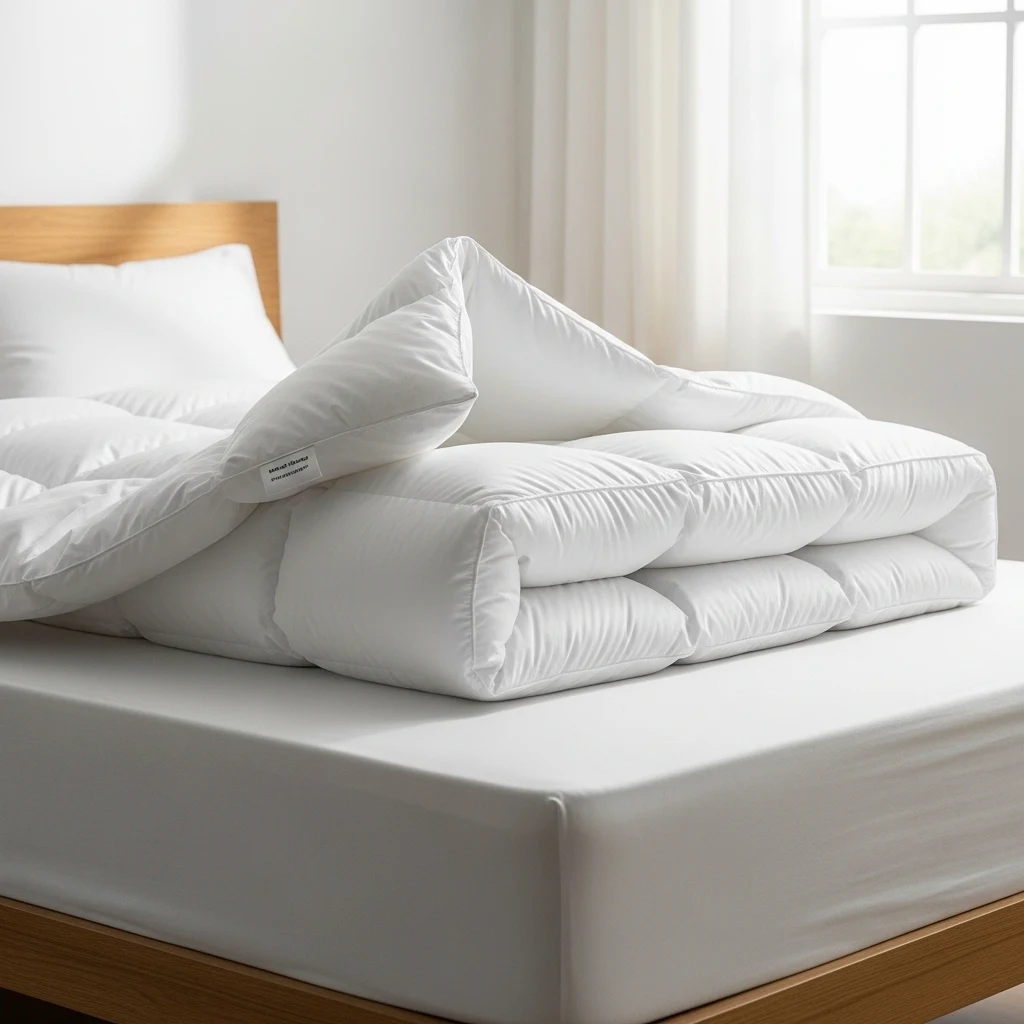
Before we talk seasons, you need to understand fill power, because this single number will save you from making a very expensive mistake.
Fill power measures how much space one ounce of down filling occupies. The higher the fill power, the fluffier, lighter, and more insulating the duvet. Here’s a quick breakdown:
- 400-500 fill power: Budget-friendly, decent warmth, heavier
- 550-650 fill power: Mid-range, good warmth-to-weight ratio, great for most people
- 700-800+ fill power: Premium, ultra-light, exceptional insulation
Higher fill power doesn’t always mean warmer, though. It means the filling is more efficient at trapping heat.
So a high fill power duvet can be made thinner and lighter while still keeping you warm. Pretty clever, right?
Shop Down Duvets By Fill Power On Amazon
Down vs. Down Alternative: Picking Your Side
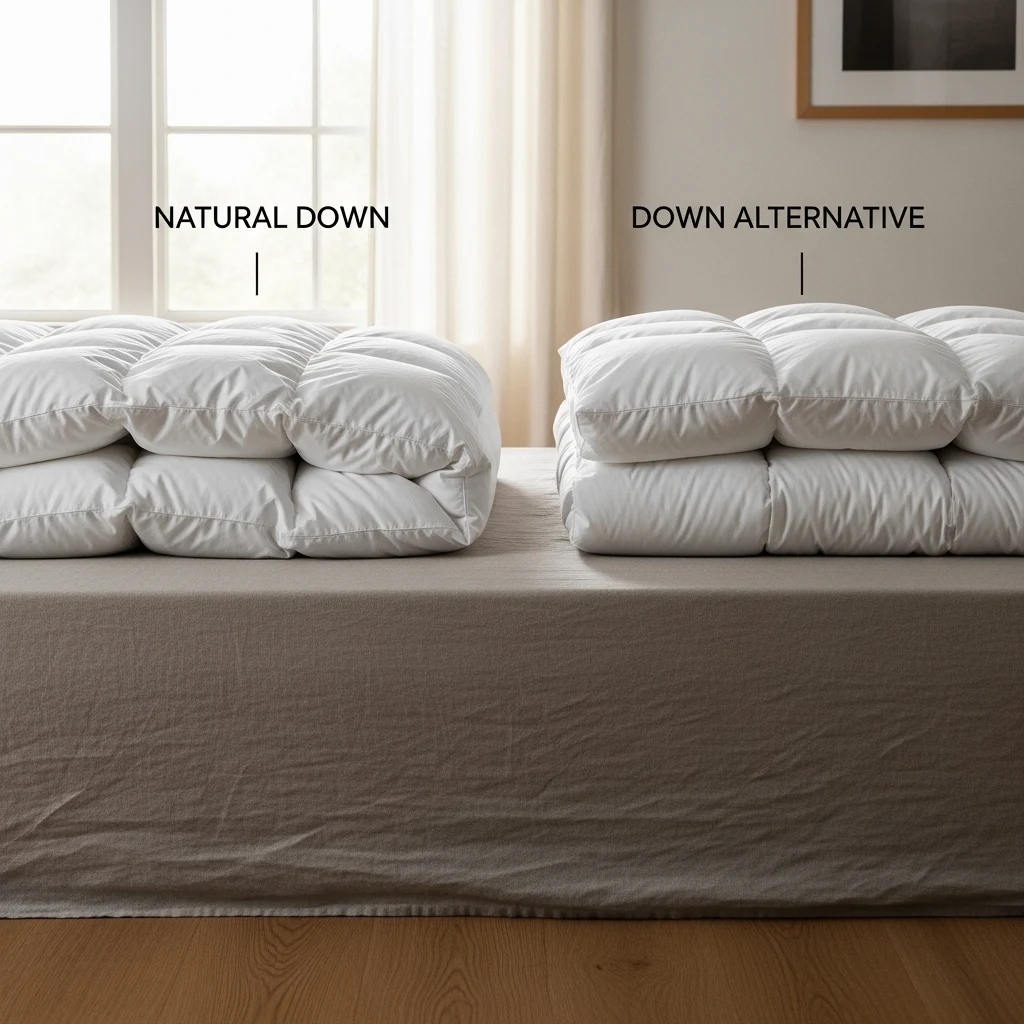
This is the great duvet debate, and people have strong opinions about it. Let me give you the honest breakdown.
Natural Down
Natural down comes from the soft underfeathers of geese or ducks. It’s breathable, lightweight, incredibly warm for its weight, and it lasts for years when cared for properly.
Goose down tends to be slightly superior to duck down in terms of loft and longevity, but both do an excellent job.
The downsides? Down is more expensive, it requires careful washing, and if you have allergies, it might not be your best friend.
Also, if you care about animal welfare, it’s worth looking for brands that source ethically certified down.
Down Alternative
Synthetic fills like polyester microfiber have come a long way. They’re hypoallergenic, machine washable, more affordable, and easier to care for. For allergy sufferers, they’re genuinely a lifesaver.
The tradeoff is that synthetic fills tend to clump over time, don’t breathe as well as natural down, and rarely match that cloud-like loft.
But for the price and practicality? They’re hard to argue against for everyday use.
Browse Down Alternative Duvet Inserts On Amazon
Choosing a Duvet Insert for Each Season
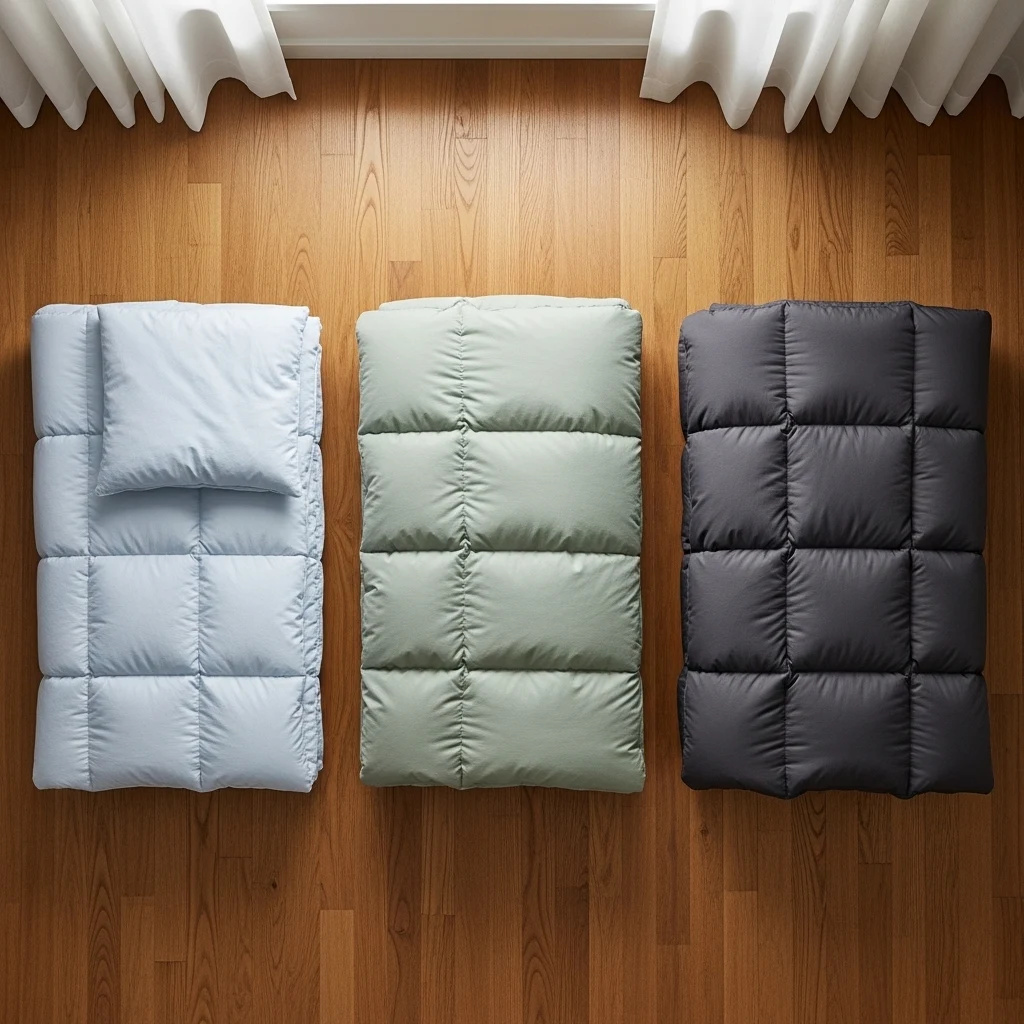
Now here’s where it gets really practical. Not every duvet works for every time of year, and if you think one duvet can handle all four seasons equally well, well, good luck with that.
Summer: Stay Cool Without Sacrificing Comfort
In summer, the last thing you want is a thick, heavy duvet trapping your body heat. You need something lightweight, breathable, and cool to the touch.
What to look for:
- Low fill weight (around 150-250 GSM for down, or the equivalent in synthetic)
- Breathable materials like cotton shell fabric, which allows airflow
- High fill power with minimal fill weight so you get that cozy feel without the warmth
Natural down is actually excellent for summer when used in a lightweight construction, because down regulates temperature naturally.
It breathes and releases moisture better than most synthetic options. A summer-weight down duvet with a 300-400 GSM fill weight hits that sweet spot.
If you run hot at night, look for duvets with cooling technology or those filled with Tencel-blended materials, which actively wick moisture away from your body.
Find Lightweight Summer Duvet Inserts On Amazon
Spring and Fall: The In-Between Seasons That Nobody Talks About Enough
Spring and fall are the most underrated sleeping seasons. The temperature fluctuates like it can’t make up its mind, and you need a duvet that can keep up.
What to look for:
- Medium fill weight (around 300-400 GSM for down)
- All-season or lightweight all-year duvets work perfectly here
- Layering compatibility so you can add or remove a blanket as needed
An all-season duvet rated for these transitional months usually lands around 10.5 tog in the UK rating system, or a medium warmth label in the US. This is arguably the most versatile option you can own.
Winter: Wrap Yourself in Something That Actually Works
Winter is not the time to compromise. You want a duvet that feels like a warm hug that lasts eight hours, and anything less is a betrayal of your sleep quality.
What to look for:
- High fill weight (450 GSM and above for down; higher GSM for synthetic)
- High fill power (650+ for down-filled duvets) to maximize warmth without excessive weight
- Baffle box construction, which keeps the fill evenly distributed so cold spots don’t sneak up on you in the middle of the night
Baffle box construction is worth understanding.
Instead of stitching directly through the top and bottom layers of the duvet (which flattens the fill and creates cold lines), baffle box construction uses fabric walls sewn between the layers.
This allows the fill to fully loft and insulate evenly. For winter use, this feature is a must.
A winter duvet should sit around 13-15 tog in warmth rating. If you live somewhere with particularly brutal winters, go for a 15 tog or higher, especially if your home has poor insulation.
Shop Warm Winter Duvet Inserts On Amazon
The All-Season Duvet System: A Smart Alternative
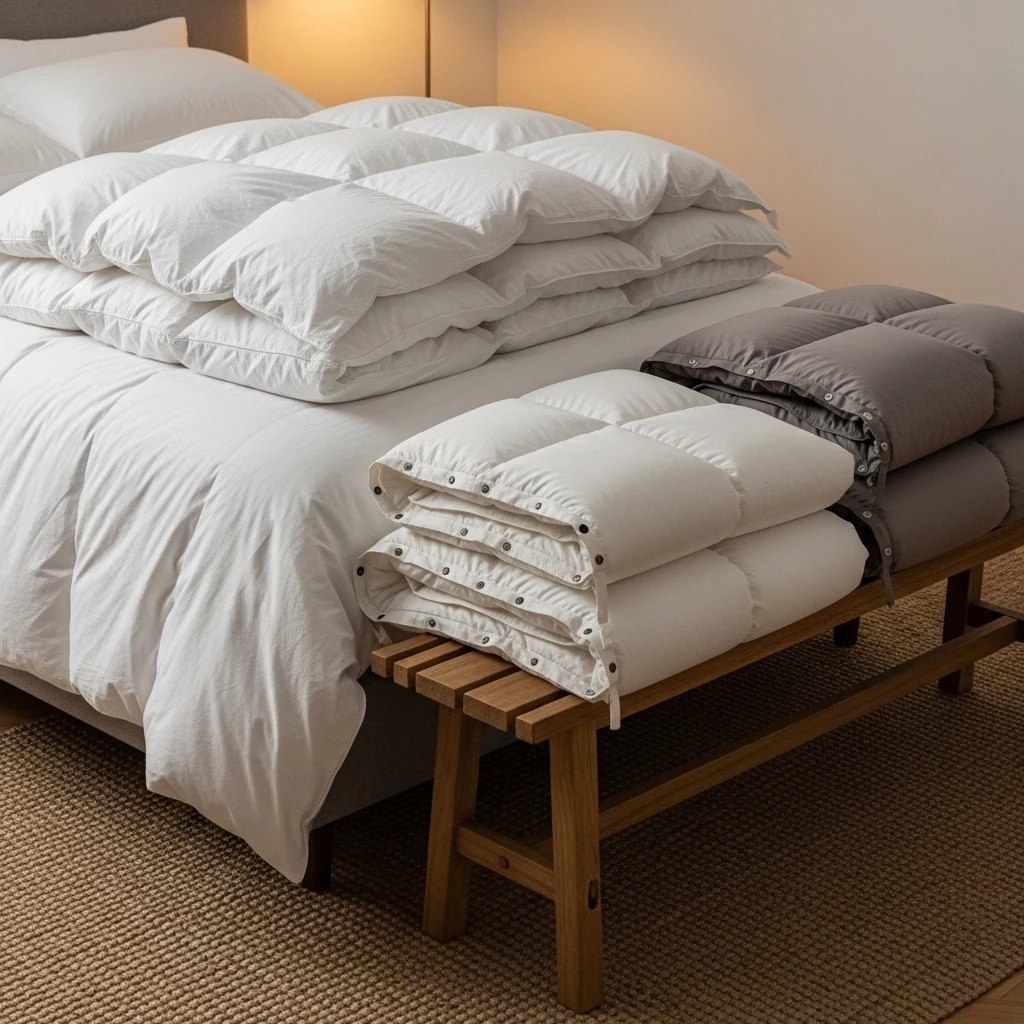
What if you don’t want to store multiple duvets? That’s a completely reasonable position, and the duvet layering system is your answer.
Many brands sell a set of two duvets that button or snap together. You get a lightweight summer duvet, a medium spring/fall duvet, and when combined, they create a thick winter duvet.
It’s three duvets in one, and it honestly makes seasonal transitions effortless.
Benefits of an all-season duvet system:
- No need to buy and store separate duvets
- Flexible warmth levels throughout the year
- Often more cost-effective than buying individual seasonal duvets
- Easy to wash the lighter one more frequently
This is genuinely one of my favorite sleep investments. Once you try a duvet system, going back to a single duvet for all seasons feels oddly limiting.
Explore All-Season Duvet Sets On Amazon
Shell Fabric: The Unsung Hero of Duvet Comfort
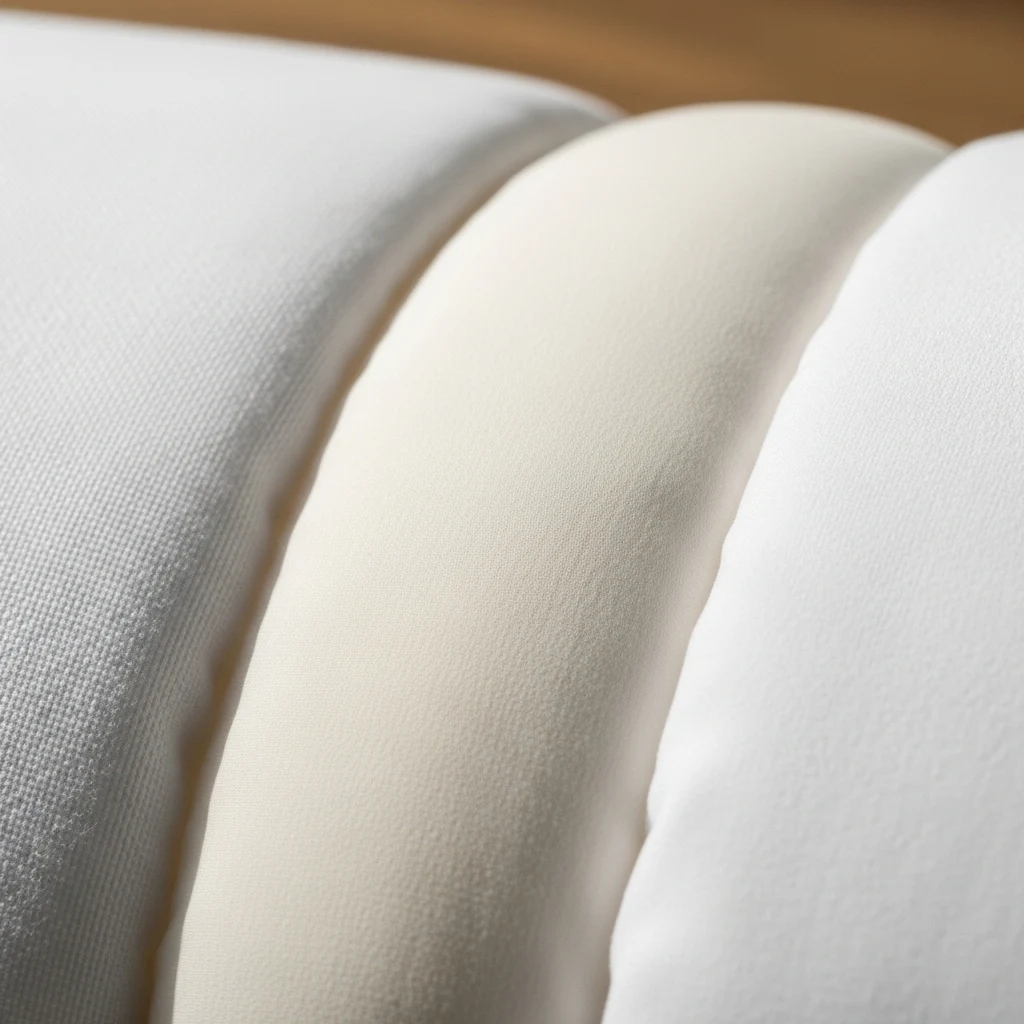
Most people obsess over the fill and completely ignore the shell fabric, which is a mistake.
The shell is what you feel against your skin through your duvet cover, and it affects both comfort and breathability significantly.
Common shell materials and what they mean:
- Cotton percale: Crisp, cool, breathable, and durable. Great for summer and hot sleepers.
- Cotton sateen: Softer, slightly warmer, with a subtle sheen. Works well year-round.
- Microfiber: Soft and budget-friendly, but less breathable than cotton. Better for cooler months.
- Down-proof fabric: A tightly woven fabric designed to prevent fill from poking through. Look for this in any down duvet.
A 300-thread-count cotton percale shell is a solid benchmark for quality. It’s breathable, durable, and feels great. Anything below that in thread count might feel scratchy or let fill poke through over time.
Compare Duvet Inserts By Shell Material On Amazon
Sizing and Weight: Getting the Right Fit
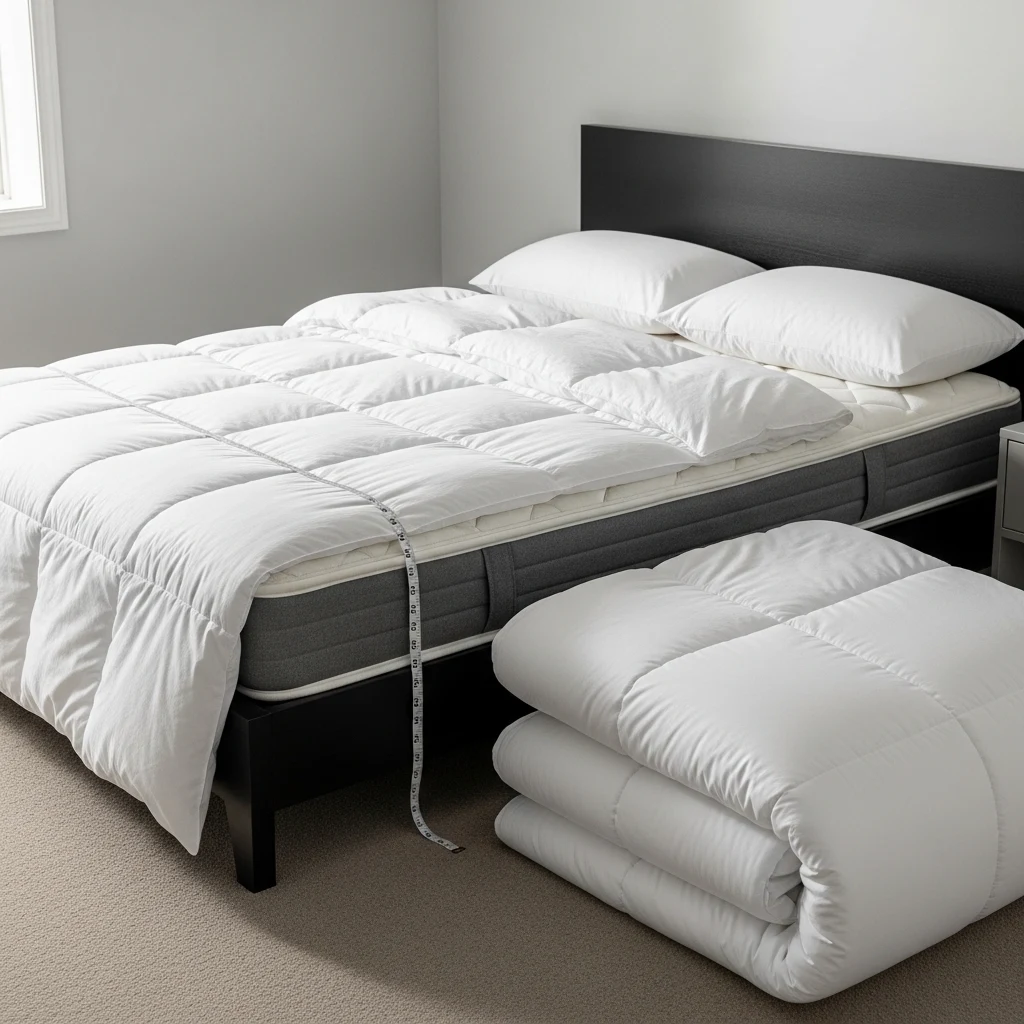
You’d think sizing would be the straightforward part, but people get this wrong more than you’d expect.
A duvet that’s too small leaves you fighting for coverage with your partner. Too large and it bunches awkwardly inside your duvet cover.
Standard sizing guide:
- Twin: 68 x 90 inches
- Full/Queen: 90 x 90 inches
- King: 108 x 90 inches
For couples who tend to steal covers (you know who you are), sizing up one level is always a good idea.
A queen couple sleeping in a queen bed often does better with a king-sized duvet. More coverage, fewer arguments. Everyone wins.
Also, consider the total weight of the duvet. Heavier duvets can feel comforting due to deep pressure stimulation, similar to a weighted blanket.
Lighter duvets feel more freeing. Neither is wrong; it’s completely personal.
Care and Longevity: Making Your Duvet Last
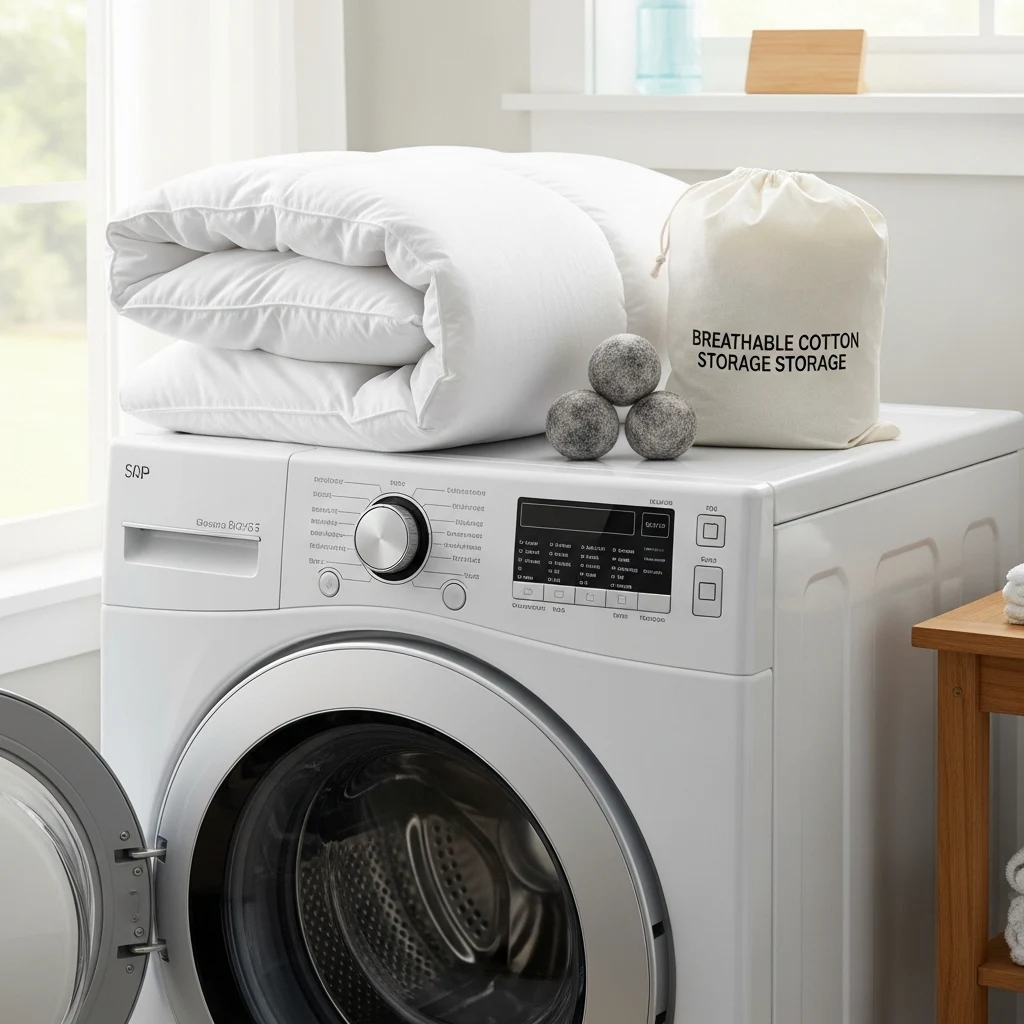
A quality duvet is an investment, and you want it to last. Here’s how to keep it in great shape:
- Wash your duvet every 3-6 months, or more frequently if you don’t use a duvet cover
- Use a large-capacity front-load washer to avoid damaging the fill or seams
- Dry thoroughly on low heat, and add dryer balls to fluff the fill back up
- Store in a breathable cotton bag, never in a plastic bag that traps moisture and causes mildew
Down duvets especially need to be completely dry before storage. Even a little trapped moisture will cause the fill to clump and develop an unpleasant odor.
Final Thoughts
Choosing the best duvet insert for every season comes down to understanding a handful of key factors: fill type, fill power, fill weight, shell fabric, and construction.
Match those to the season and your personal sleep preferences, and you’re practically guaranteed better sleep.
If there’s one piece of advice worth holding onto from all of this, it’s to stop settling for a one-size-fits-all approach to your bedding.
Your sleep is worth a little more thought than grabbing whatever’s on sale. Invest in the right duvet for each season, or at minimum a solid all-season system, and your future well-rested self will be very grateful.
Now go fix your sleep setup. You’ve been putting it off long enough.
What Is the Best Fill Power for a Year-Round Duvet Insert?
The best fill power for a year-round duvet insert is between 550 and 650. This range offers a good warmth-to-weight ratio. It keeps the duvet light during warmer months.
If you want one duvet for all seasons, choose a mid-range fill power with a breathable cotton shell.
This helps regulate temperature naturally. If you tend to feel hot, stick closer to 550 fill power. Cold sleepers can go up to 650 easily.
How Do I Know What Tog Rating I Need for Each Season?
Tog ratings show how well a duvet holds heat. A 4.5 tog is good for summer. A 9 to 10.5 tog works for spring and fall.
For winter, a 13 to 15 tog is best. If you live in a cold area or keep your thermostat low at night, choose a higher winter tog.
Many brands offer a 4.5 tog and a 9 tog that clip together. This makes a 13.5 tog all-season system, great for homes with all four seasons.
Is a Down Duvet Insert Better Than a Down Alternative for Hot Sleepers?
Yes, surprisingly. Natural down breathes better than most synthetic fills. It regulates moisture and temperature more efficiently.
A lightweight down duvet with a low fill weight and a cotton percale shell sleeps cooler than a similar synthetic duvet in most cases.
If you have allergies or want easier care, a high-quality down alternative made with microfiber or Tencel-blended fill can also work well for hot sleepers. Look for options marketed as cooling duvets.
How Often Should I Replace My Duvet Insert?
A good quality down duvet insert can last 10 to 15 years with proper care. It will keep its loft and insulation during that time.
Down alternative duvets usually last about 5 to 7 years. This is because synthetic fill clumps and compresses faster.
The best sign to replace your duvet is when it feels cold or flat, even after washing. Regular washing, proper drying, and breathable storage can greatly extend any duvet’s life.
What Is Baffle Box Construction and Why Does It Matter for Winter Duvets?
Baffle box construction is a method where fabric walls are sewn between the top and bottom layers of a duvet. This creates box-shaped pockets that let the fill expand fully.
Unlike standard stitch-through construction, which flattens the fill along the seams, baffle box keeps the fill evenly spread.
This is important for winter use because even distribution means consistent warmth. You won’t have cold spots sneaking in at night.
So, if you’re buying a winter duvet insert, look for baffle box construction as a key feature.